


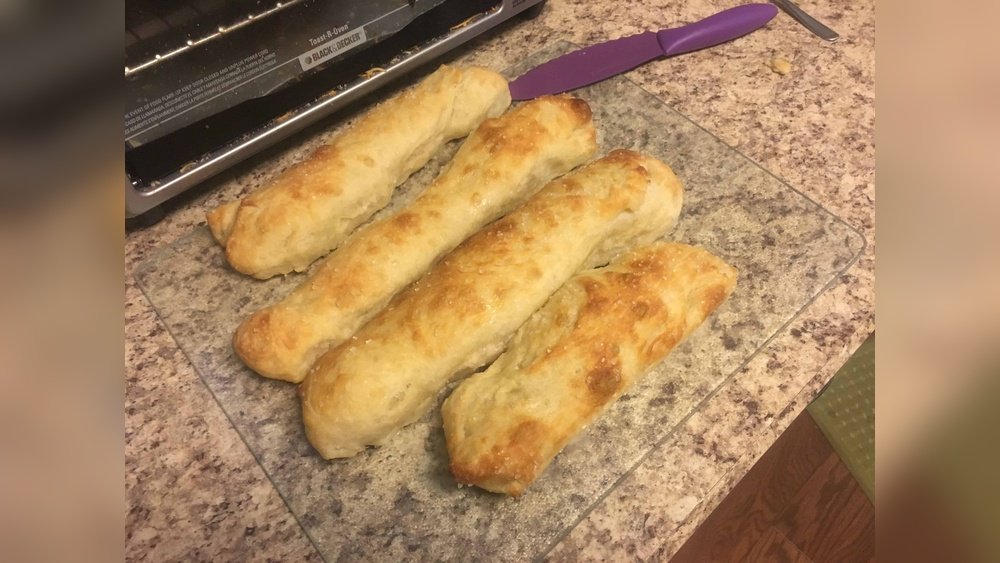
If you love fresh, warm bread with a perfect crust and soft inside, you’re going to enjoy making Stecca bread at home. This simple recipe lets you create authentic Italian bread without any fuss.
Imagine the smell filling your kitchen and the taste of homemade bread that you crafted with your own hands. Whether you’re new to baking or looking for a new favorite, this Stecca bread recipe is easy to follow and rewarding.
Ready to impress yourself and your loved ones? Let’s dive in and get baking!
Ingredients For Stecca Bread
Stecca bread is a simple Italian flatbread known for its soft texture and crispy crust. The ingredients shape its unique flavor and structure. Choosing the right components ensures a perfect bake every time.
Essential Flour Choices
Use high-quality bread flour for better gluten development. This flour gives the dough strength and chewiness. Some recipes mix bread flour with all-purpose flour. This blend creates a lighter crumb and tender bite.
Yeast And Leavening Agents
Active dry yeast or instant yeast works well for Stecca bread. Yeast helps the dough rise and creates air pockets. Use the right amount to avoid over-proofing or dense bread.
Water And Salt Ratios
Water hydrates the flour and activates the yeast. Use lukewarm water for best yeast activity. Salt enhances flavor and controls yeast growth. Keep salt to about 2% of the flour weight for balance.
Optional Additions
Add olive oil for extra softness and flavor. Some bakers include herbs like rosemary or thyme. These additions give the bread a subtle, aromatic touch. Use sparingly to keep the traditional taste.
Preparing The Dough
Preparing the dough is a key step in making delicious Stecca bread. It shapes the texture and taste of the bread. Taking time with the dough ensures a soft and airy crumb. Follow simple steps for mixing and kneading to get the best results.
Mixing Ingredients
Start by measuring flour, water, yeast, and salt carefully. Use lukewarm water to help the yeast activate. Combine dry ingredients first for even distribution. Slowly add water while stirring to form a rough dough. Mix gently until all ingredients come together.
Kneading Techniques
Turn the dough onto a clean surface. Press and fold the dough using your hands. Push the dough away, then fold it back toward you. Repeat this motion for 8 to 10 minutes. Kneading develops gluten, making the dough elastic. Stop when the dough feels smooth and springs back.
Dough Consistency Tips
The dough should be soft but not sticky. Add flour little by little if it sticks too much. If too dry, add a splash of water carefully. The right dough is slightly tacky to the touch. Test by pressing with your finger; it should bounce back slowly.
First Rise And Rest
The first rise and rest are key steps in making Stecca bread. This stage helps the dough develop flavor and texture. During this time, the yeast works to create gases, making the dough soft and airy. Patience here leads to better bread.
Ideal Rising Conditions
Keep the dough warm, but not hot. Around 75°F (24°C) is perfect. Cover it with a damp cloth or plastic wrap. This stops the dough from drying out. Avoid cold places or direct sunlight. Both can slow or kill the yeast.
Timing For Perfect Fermentation
Let the dough rise for 1 to 2 hours. It should double in size. Check it by gently pressing with your finger. If the mark stays, the dough is ready. Do not rush this step. Proper fermentation gives the bread a light, open crumb.
Shaping The Loaf
Shaping the loaf is a key step in making Stecca bread. It gives the bread its unique look and texture. Proper shaping helps the dough rise evenly and bake well. This step is simple but needs care and attention.
Follow these tips to shape your Stecca loaf perfectly. A good shape leads to a better crust and crumb inside. Let’s explore how to form the classic Stecca shape and handle the dough for best results.
Forming The Stecca Shape
Start by gently flattening the dough into a rectangle. Roll it lengthwise to create a long, thin loaf. The traditional Stecca shape is narrow and slightly rounded on top. Keep the ends a bit tapered but not too sharp.
Use your hands to pinch the seams and seal the dough well. This avoids air pockets inside the loaf. Place the shaped dough on a floured baking tray. Leave enough space for it to expand during baking.
Handling Tips For Even Texture
Handle the dough softly to keep air bubbles inside. Pressing too hard can push out the gas needed for a light crumb. Use gentle folds instead of rough kneading at this stage. Let the dough rest before shaping if it feels tight.
Keep the dough surface smooth by moistening your hands slightly. This prevents tearing while shaping. Even texture comes from careful and gentle handling throughout the process.
Second Rise Before Baking
The second rise is a key step in making Stecca bread. It helps create a light texture and better flavor. After shaping the dough, let it rest again before baking. This rest allows the yeast to work and the dough to expand.
Proofing Time And Environment
Place the shaped dough in a warm, draft-free spot. Ideal temperature is around 75°F (24°C). Let it rise for 30 to 45 minutes. The dough should puff up but not double in size. Too much rising can cause loss of shape during baking.
Signs The Dough Is Ready
Look for a dough that feels soft and slightly springy. Press gently with a finger. If the indentation slowly fills back, it is ready to bake. If it springs back quickly, it needs more time. If it stays flat, it may have over-risen.
Credit: www.thebakerstablesc.com
Baking The Bread
Baking Stecca bread is a key step to get the perfect texture and flavor. It needs careful control of heat and moisture. This process makes the bread soft inside and crusty outside. Follow these simple tips to bake Stecca bread like a pro.
Oven Temperature Settings
Set your oven to 230°C (450°F) before placing the dough inside. This high temperature helps the bread rise quickly. It creates a soft crumb and a golden crust. Lower temperatures can make the bread dense and pale.
Steam And Crust Formation
Steam in the oven is important for a crispy crust. Place a pan of water at the bottom of the oven. The steam keeps the dough surface wet during the first minutes. This allows the crust to form slowly and crack beautifully.
Baking Time Guidelines
Bake the Stecca bread for 15 to 20 minutes. Check the color and sound when you tap the bottom. It should sound hollow. Baking longer makes the crust too hard. Too short, and the bread stays doughy inside.
Cooling And Serving
After baking Stecca bread, cooling is a key step. Proper cooling lets the bread finish its baking inside. It also helps the bread develop its full flavor and texture. Serving the bread too hot can make it soggy or hard to slice. Let the bread rest to enjoy the best taste.
Resting After Baking
Remove the Stecca bread from the oven carefully. Place it on a wire rack to cool evenly. This stops the bottom from getting wet. Let the bread cool for at least 30 minutes. The steam inside moves out slowly. This keeps the crust crisp and the inside soft. Cutting the bread too soon can make it gummy.
Best Serving Suggestions
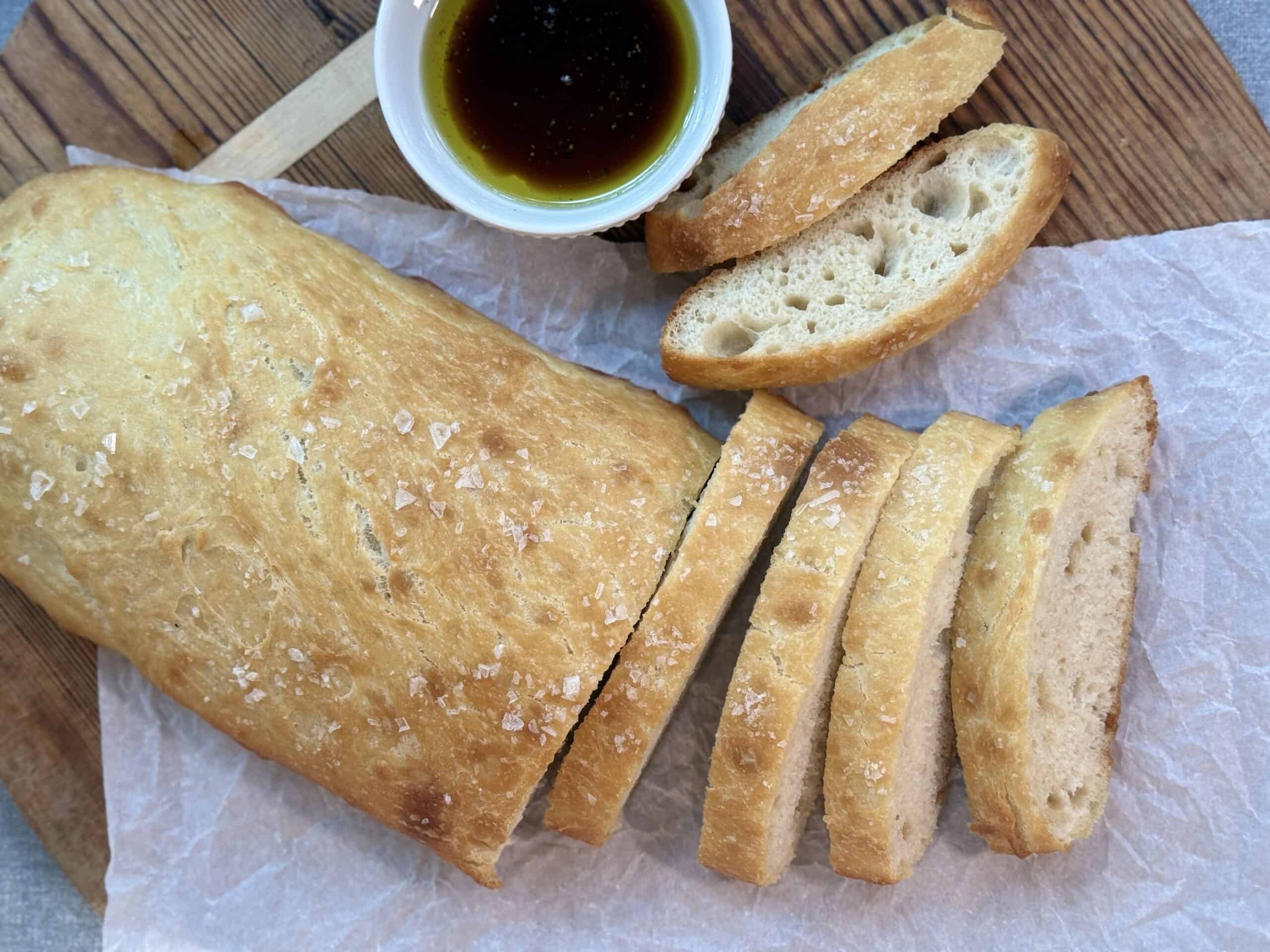
Stecca bread pairs well with many foods. Serve it warm with olive oil and herbs for dipping. It also tastes great with fresh cheese or cured meats. Use it to make sandwiches or as a side for soup. The bread’s light texture soaks up flavors nicely. Enjoy it fresh for the best experience.
Troubleshooting Common Issues
Making stecca bread can sometimes bring small problems. These issues can affect how your bread looks and tastes. Fixing them helps you enjoy perfect stecca every time. The tips below help solve common troubles quickly. Simple steps make a big difference in your baking results.
Dense Or Heavy Bread Fixes
Dense bread means the dough did not rise enough. Check your yeast; it must be fresh and active. Warm water helps yeast grow well. Avoid using too much flour, which makes bread heavy. Mix the dough just enough to keep it soft. Let the dough rest and rise in a warm place. Patience helps the bread stay light and airy.
Crust Problems And Solutions
A crust that is too hard or too soft spoils the bread experience. For a crunchy crust, bake at a higher temperature. Use a baking stone or steel for even heat. Spray water in the oven to create steam. This keeps the crust crispy. If the crust is too tough, lower the oven heat a bit. Cover the bread with foil during baking to avoid over-browning.
Flavor Enhancements
Good flavor comes from quality ingredients. Use fresh flour and good olive oil. Add a pinch of salt for balance. Let the dough ferment longer for richer taste. Try adding herbs like rosemary or garlic for extra aroma. Small changes in ingredients improve the bread’s flavor greatly. Taste your bread often to find your favorite mix.
Variations And Flavor Twists
Stecca bread is simple and tasty on its own. Yet, small changes can make it special. Different flavors give the bread new life. These variations keep the bread interesting and fun to eat. Try adding herbs, cheese, or olives. Each change brings a fresh twist to your loaf.
Herbs And Seasonings
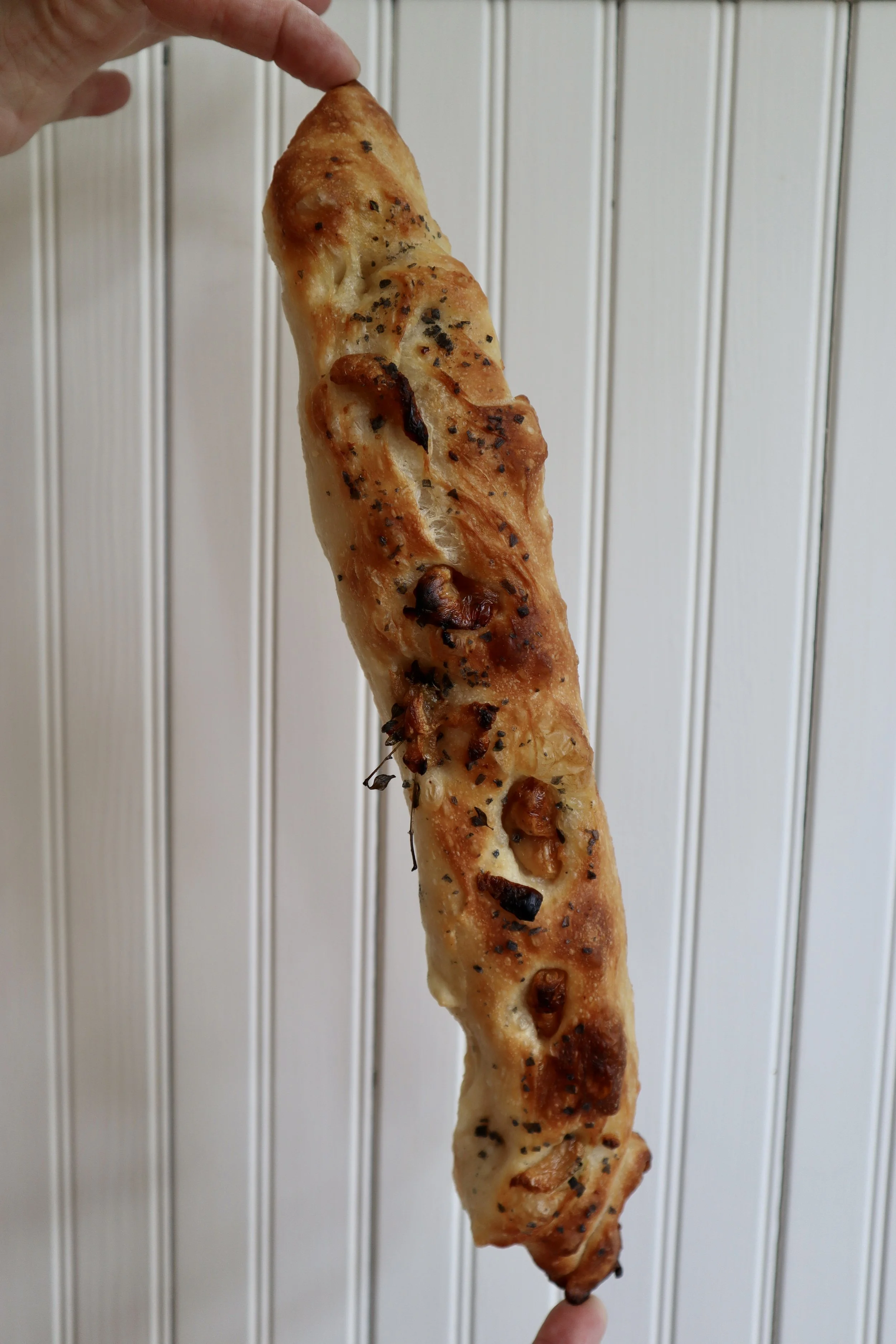
Fresh herbs like rosemary or thyme add aroma and taste. Sprinkle dried oregano or basil into the dough for a savory touch. Garlic powder or cracked black pepper can give a mild kick. Seasonings make the bread more flavorful without extra effort. Use herbs you enjoy or have at home.
Incorporating Olives Or Cheese
Chopped olives add a salty, tangy bite to the bread. Black or green olives work well and give different flavors. Cheese pieces, like mozzarella or parmesan, melt inside the bread. They create a soft, gooey texture that many love. Mixing olives or cheese into the dough makes each slice exciting.
Credit: www.ameliaisnotachef.com

Credit: legallyhealthyblonde.com
Frequently Asked Questions
What Is Stecca Bread?
Stecca bread is a traditional Italian flatbread from Mantua. It has a crisp crust and soft interior, perfect for sandwiches or dipping.
How Do You Make Stecca Bread At Home?
To make stecca bread, mix flour, water, yeast, salt, and olive oil. Knead, let rise, shape into sticks, then bake until golden.
What Ingredients Are Essential For Stecca Bread?
Essential ingredients include all-purpose flour, water, fresh yeast, salt, and olive oil. These create the bread’s unique texture and flavor.
How Long Should Stecca Bread Bake?
Bake stecca bread for about 20-25 minutes at 220°C (425°F). The crust should be golden and crisp when done.
Conclusion
Stecca bread is simple and tasty to make at home. Follow the steps carefully for soft, fresh bread. This recipe uses few ingredients you likely have already. Baking your own bread brings warmth and joy to any meal. Try it today and enjoy the fresh, homemade taste.
Perfect for sandwiches or as a side with soup. Baking bread can be a fun and relaxing activity. Share your stecca bread with family or friends for a special treat. Fresh bread smells wonderful and fills your home with comfort.
Give this recipe a try and enjoy every bite.
