


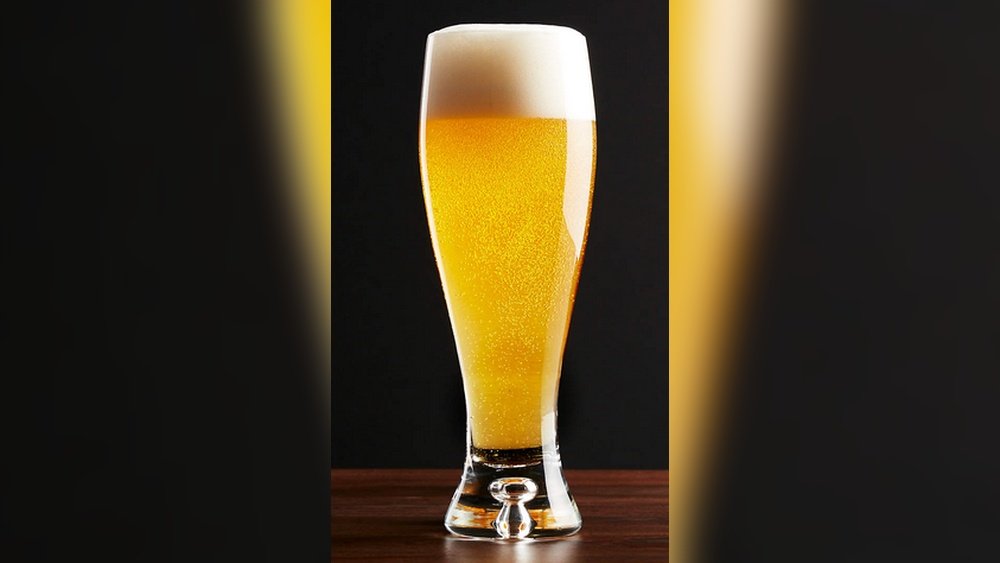
If you’ve ever wanted to brew a crisp, refreshing beer with a bold hop character, a West Coast Pilsner might be just what you need. This style combines the clean, light body of a traditional pilsner with the vibrant, piney flavors of West Coast hops.
Imagine pouring yourself a glass of your own creation, perfectly balanced and bursting with flavor. You’ll find a simple, step-by-step West Coast Pilsner recipe that will guide you through every part of the brewing process. Get ready to impress your friends and satisfy your taste buds with a beer that’s truly your own.
Choosing Ingredients
Choosing the right ingredients is key to brewing a great West Coast Pilsner. Each component shapes the beer’s flavor, aroma, and clarity. Focus on quality and balance for the best results.
Selecting Malt Types
Use pale malts as the base for a light color and crisp taste. Pilsner malt works best for a clean, sweet flavor. Avoid dark malts to keep the beer bright and clear. A small amount of Vienna or Munich malt adds depth without heaviness.
Picking The Right Hops
Choose hops with high bitterness and floral, pine, or citrus notes. Classic varieties like Cascade, Centennial, or Columbus fit well. Add hops in stages for balanced bitterness and aroma. Use late hopping to enhance the fresh hop scent.
Yeast Strain Options
Pick a clean fermenting lager yeast. It should produce few fruity flavors. This keeps the beer crisp and refreshing. Popular strains include Wyeast 2124 or White Labs WLP830. Proper fermentation temperature is vital for best taste.
Water Profile Considerations
Use soft water with low mineral content. It highlights hop bitterness and malt sweetness. Adjust water to lower sulfate if needed. Keep chloride low to avoid a heavy mouthfeel. Clean, balanced water enhances the overall crispness.
Credit: berkeleyyeast.com
Brewing Process
The brewing process is a key step in crafting a great West Coast Pilsner. It shapes the beer’s flavor, aroma, and clarity. Careful attention to each stage ensures a crisp and refreshing pilsner. Let’s explore the main parts of this process.
Mashing Techniques
Mashing converts malt starches into sugars. Use a single infusion mash at about 150°F (65°C). Hold this temperature for 60 minutes to get a clean, fermentable wort. Stir regularly to avoid hot spots. This method creates the light body typical of West Coast Pilsners.
Boil Schedule And Hop Additions
Boil the wort for 60 minutes. Add hops at specific times to build bitterness and aroma. Add bittering hops at the start of the boil. Add flavor hops with 15 minutes left. Add aroma hops in the last 5 minutes or at flameout. Use classic West Coast hop varieties like Centennial or Cascade.
Cooling And Fermentation
Cool the wort quickly to around 50°F (10°C). Transfer to a clean fermenter. Pitch lager yeast to start fermentation. Keep fermentation temperature steady for 7 to 14 days. This step creates the beer’s clean, crisp profile. Avoid temperature swings to prevent off-flavors.
Conditioning And Carbonation
Condition the beer at near-freezing temperatures for 2 to 4 weeks. This matures flavors and clarifies the beer. Carbonate naturally with priming sugar or force carbonate with CO2. Aim for moderate carbonation to enhance the beer’s refreshing quality. Proper conditioning improves smoothness and drinkability.
Flavor Profile Tips
The flavor profile of a West Coast Pilsner is key to its classic appeal. This style is known for its clean, crisp taste and balanced bitterness. Small changes in the recipe can shift the flavor significantly. Focus on the right techniques to get the perfect taste. Below are tips to help you achieve the ideal flavor balance.
Achieving Crispness
Use soft water with low mineral content. This helps create a clean and sharp flavor. Keep the fermentation temperature cool and steady. Avoid over-mashing grains to prevent unwanted sweetness. Use light malt varieties for a dry finish. Cold conditioning after fermentation also sharpens the crispness.
Balancing Bitterness
Choose hops with a clean, piney, or floral character. Add hops early in the boil for bitterness without overpowering flavor. Measure bitterness in IBUs around 30 to 40 for a balanced taste. Avoid adding too many late hops to keep bitterness smooth. Taste often during brewing to adjust bitterness levels.
Enhancing Aromas
Use late hop additions for aroma rather than bitterness. Try dry hopping with noble hop varieties for fresh scents. Keep fermentation temperatures low to preserve hop aroma. Avoid excessive yeast flavors that can mask hop notes. Fresh ingredients and clean equipment improve overall aroma quality.

Credit: berkeleyyeast.com
Common Mistakes To Avoid
Brewing a West Coast Pilsner can be very rewarding. Avoiding common mistakes helps ensure a crisp, balanced beer. These errors often affect flavor and clarity. Knowing what to watch out for improves your brewing results.
Overhopping
Adding too many hops can make your beer bitter. West Coast Pilsners need a clean, crisp hop taste. Excessive hopping hides the malt flavors. It also creates harsh bitterness that lingers. Use hops carefully and measure them well.
Fermentation Temperature Issues
Temperature control is key during fermentation. Too warm, and off-flavors like fruitiness appear. Too cold, and yeast may not work well. Maintain a steady temperature between 50-55°F (10-13°C). This range helps yeast produce clean flavors.
Poor Water Chemistry
Water affects the final taste of your beer. West Coast Pilsners benefit from soft water with low minerals. High mineral content can cause harsh bitterness and dull flavors. Test your water and adjust minerals as needed. Use brewing salts carefully to match the style.
Serving And Storage
Serving and storing your West Coast Pilsner correctly keeps its fresh taste and quality. Proper care enhances every sip and preserves the beer’s character. Follow these simple tips for the best experience.
Optimal Serving Temperature
Serve West Coast Pilsner chilled but not too cold. The ideal temperature is between 40°F and 45°F (4°C to 7°C). This range brings out the crisp, clean flavors and mild bitterness. Too cold hides the taste, too warm makes it dull.
Glassware Choices
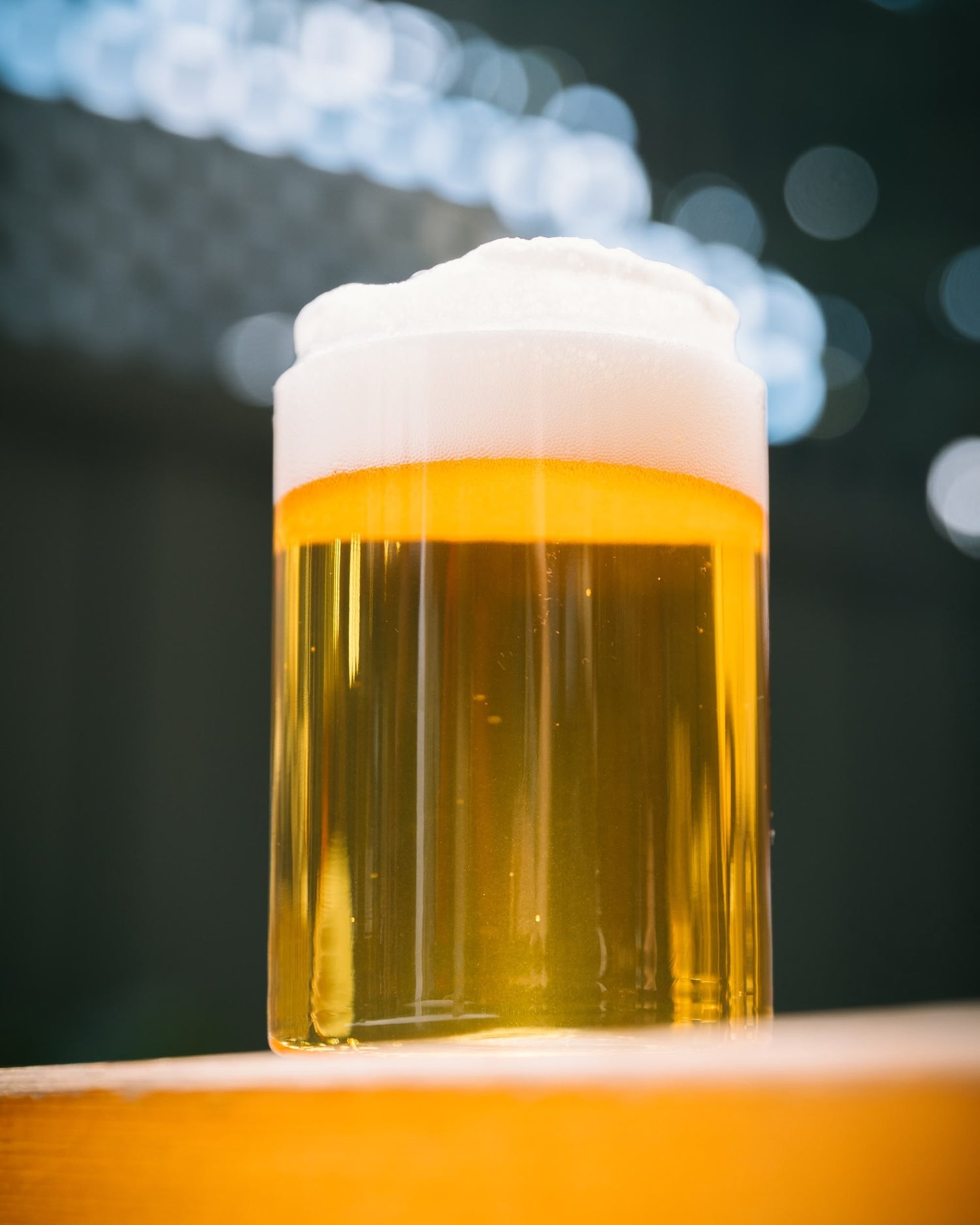
Use a tulip or pilsner glass to serve this beer. These glasses show the beer’s golden color and support a good foam head. The narrow shape helps keep the bubbles and aroma strong. Avoid wide or heavy glasses that reduce flavor.
Shelf Life And Storage Conditions
Keep the beer in a cool, dark place to maintain freshness. Store bottles upright to reduce oxidation. West Coast Pilsner tastes best within 3 to 6 months of brewing. Avoid heat and sunlight, which spoil the beer quickly.

Credit: morebeer.com
Frequently Asked Questions
What Ingredients Are Essential For West Coast Pilsner?
Key ingredients include pale malt, Saaz hops, and a clean lager yeast. Soft water with low mineral content enhances the crisp taste. Proper fermentation temperature is also crucial for authentic flavor.
How Long Does Brewing West Coast Pilsner Take?
Typically, brewing takes about 4 to 6 weeks. This includes fermentation, conditioning, and carbonation. Patience during lagering ensures a smooth, balanced pilsner with the characteristic crisp finish.
What Is The Ideal Fermentation Temperature For West Coast Pilsner?
The ideal fermentation temperature ranges from 48°F to 55°F (9°C to 13°C). Maintaining this range helps develop clean flavors and prevents off-flavors, creating a crisp and refreshing pilsner.
How Does West Coast Pilsner Differ From Other Pilsners?
West Coast Pilsner is hoppier with a more pronounced bitterness. It features a dry finish and bright, floral hop aroma. This style is lighter in malt character compared to traditional European pilsners.
Conclusion
Crafting a West Coast Pilsner brings joy to any home brewer. This recipe offers clear, crisp, and refreshing flavors. You can enjoy a classic beer with balanced bitterness. Brewing your own lets you control every ingredient and step. Patience is key to getting the perfect taste.
Share your brew with friends and gather feedback. Keep experimenting to improve your skills over time. Brewing this pilsner is a fun and rewarding experience. Cheers to your brewing journey!
