


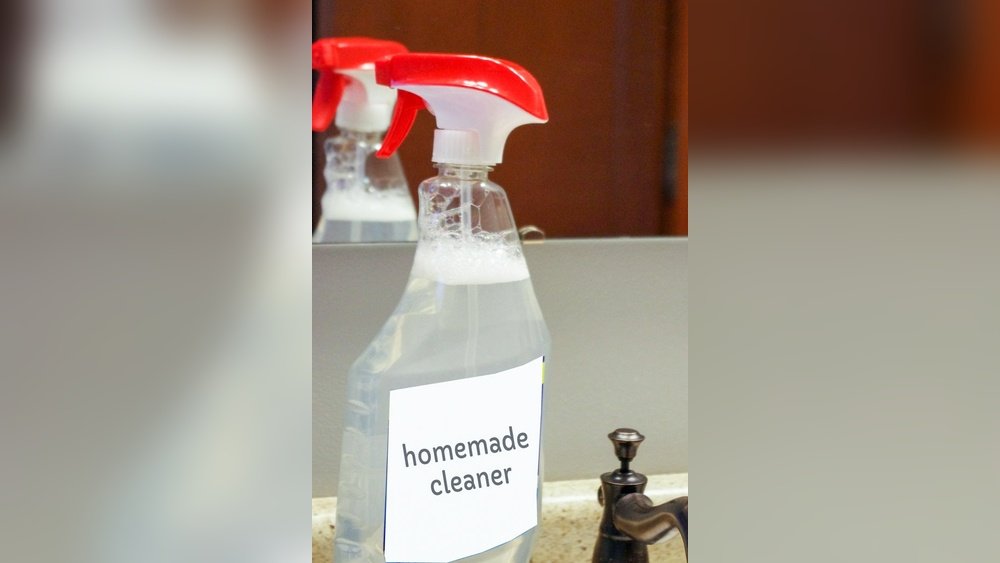
Are you tired of streaky windows that never seem truly clean? What if you could make a simple, effective solution right at home that leaves your glass sparkling clear?
Using a window washing recipe with ammonia might be the secret you’ve been missing. This easy mix cuts through dirt and grime quickly, giving your windows a shine that feels like new. Keep reading to discover how you can save time, money, and effort with this powerful but safe cleaning trick.
Your windows—and your view—will thank you.
Benefits Of Ammonia For Window Cleaning
Ammonia is a common ingredient in many window washing recipes. It cleans glass surfaces effectively and makes windows shine. Using ammonia helps remove tough stains and dirt quickly. It also saves money and time, making window cleaning easier for everyone.
Powerful Stain Removal
Ammonia breaks down grease, grime, and fingerprints easily. It cleans without leaving streaks or spots. This makes windows clear and bright. Tough stains vanish with just a few wipes.
Cost-effective Solution
Ammonia is inexpensive and available in most stores. A small amount mixed with water lasts a long time. This makes it a budget-friendly choice for regular cleaning. No need to buy costly commercial cleaners.
Quick Drying Properties
Ammonia evaporates fast, leaving glass dry quickly. This reduces waiting time after cleaning. Fast drying helps avoid smudges and water marks. Clean windows look perfect in less time.
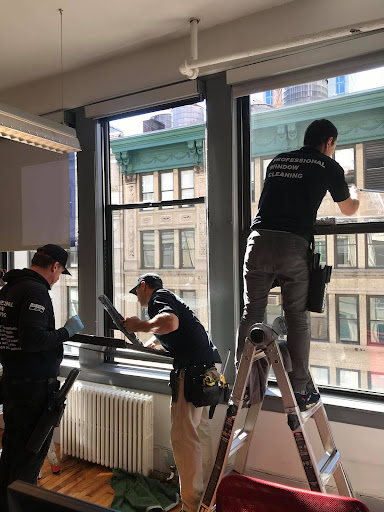
Credit: bigapplewindowcleaning.com
Essential Ingredients For The Recipe
Creating the perfect window washing solution with ammonia needs a few key ingredients. Each ingredient plays a role in cleaning and shining your windows. Choosing the right type and amount ensures the best results. Let’s explore these essential ingredients.
Ammonia Concentration And Type
Use clear, household ammonia for window cleaning. It usually contains 5-10% ammonia. This strength cleans well without damaging surfaces. Avoid stronger ammonia types, as they can harm glass and frames.
Measure ammonia carefully. Too much can leave streaks or smell strong. Mix it with water for a gentle, effective cleaner.
Water Quality And Temperature
Use clean, fresh water. Tap water works if it’s not too hard or full of minerals. Hard water may leave spots after drying.
Warm water helps dissolve dirt and mix ingredients better. It also speeds up drying. Do not use hot water; it can damage window seals.
Optional Additives For Shine
Add a few drops of dish soap for extra grease cutting power. It helps break down tough grime.
Some people use vinegar for extra shine and to remove hard water stains. Use small amounts to avoid a strong smell.
Rubbing alcohol can speed drying and reduce streaks. Add it sparingly to keep the solution balanced.
Step-by-step Window Washing Recipe
Cleaning windows with ammonia is quick and effective. This step-by-step recipe helps you make the perfect window washing solution. You will get clear, streak-free windows in no time. Follow these simple steps carefully for the best results.
Measuring And Mixing Ingredients
Start by gathering your materials. You need water, ammonia, and a small amount of dish soap. Use one gallon of warm water. Add 1/4 cup of clear ammonia. Pour in one teaspoon of dish soap. Mix all ingredients gently in a large bucket or spray bottle. Avoid creating too many bubbles. The solution is now ready to use.
Safety Precautions During Preparation
Always work in a well-ventilated area. Open windows or doors to let fresh air in. Wear rubber gloves to protect your hands from irritation. Avoid mixing ammonia with bleach or other cleaners. This can create dangerous fumes. Keep the solution away from children and pets. Handle ammonia carefully to prevent spills or splashes.
Proper Storage Of The Solution
Store the window washing solution in a sealed container. Use a clearly labeled spray bottle or bucket. Keep it in a cool, dry place away from sunlight. Use the solution within one week for best cleaning power. Dispose of any leftover solution safely. Avoid storing near heat sources or open flames.
Effective Window Cleaning Techniques
Effective window cleaning techniques make your windows shine and clear. Using the right methods saves time and effort. Cleaning with ammonia is a popular choice. It cuts through dirt and grease quickly. Knowing how to apply it properly gives the best results. This section covers tools, methods, and tips for streak-free finishes.
Tools Needed For Best Results
Gather a spray bottle, microfiber cloths, a squeegee, and a bucket. Use a soft-bristle brush to remove heavy dirt. Choose a lint-free cloth for drying. These tools help clean windows without scratches or streaks. Have clean water ready for rinsing. Good tools make cleaning easier and faster.
Application Methods
Mix ammonia with water in the spray bottle. Spray the solution evenly on the glass surface. Use a cloth or brush to scrub stubborn spots gently. Let the solution sit for a minute to break grime. Wipe the window with a squeegee from top to bottom. Wipe the squeegee blade after each pass. Repeat if needed to remove all dirt.
Tips For Streak-free Finishes
Use cool, cloudy days for cleaning to avoid quick drying. Dry windows with a clean, dry microfiber cloth. Avoid circular motions; wipe in straight lines. Change cloths often to prevent dirt spread. Polish edges with a dry cloth to remove drips. These tips prevent streaks and leave your windows sparkling clear.
Safety Tips When Using Ammonia
Ammonia is a powerful cleaner for washing windows. It removes dirt and streaks well. But ammonia can be dangerous if not used carefully. Follow these safety tips to protect yourself and your home.
Ventilation And Protective Gear
Always use ammonia in a well-ventilated area. Open windows and doors to let fresh air in. This reduces harmful fumes that can irritate your lungs. Wear gloves to protect your skin from burns. Use safety goggles to shield your eyes from splashes. Avoid breathing in the fumes directly.
Avoiding Harmful Chemical Reactions
Never mix ammonia with bleach or other cleaners. This creates toxic gases that can harm you. Store ammonia away from other chemicals. Read labels carefully before mixing any cleaning products. Use only water and ammonia for your window washing recipe.
Safe Disposal Practices
Do not pour leftover ammonia down the drain without diluting it. Mix it with plenty of water first. Dispose of ammonia in small amounts to avoid harm to the environment. Check local regulations for proper disposal methods. Keep ammonia containers tightly closed and out of reach of children and pets.
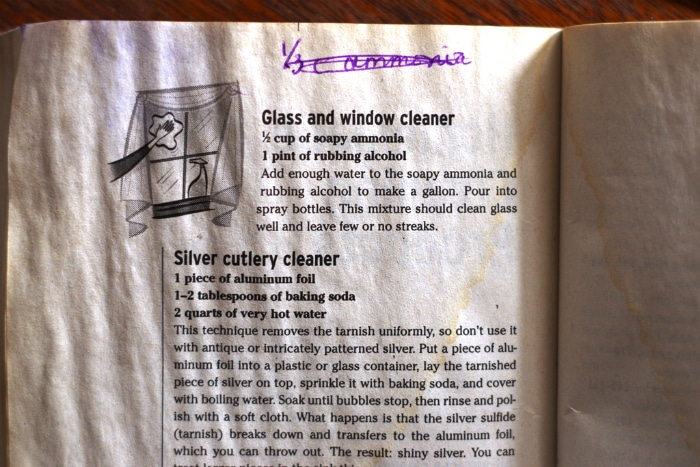
Credit: www.cleverlysimple.com
Common Mistakes To Avoid
Washing windows with ammonia can make your glass shine. Mistakes can spoil the results or even damage surfaces. Avoid these common errors to get the best clean.
Using Too Much Ammonia
Adding too much ammonia can leave streaks and strong odors. It may also harm window seals or nearby materials. Use the right amount for safe, clear cleaning.
Mixing With Other Cleaners
Never mix ammonia with bleach or other cleaners. This creates dangerous fumes that can harm your health. Always use ammonia alone or follow safe recipes carefully.
Ignoring Surface Types
Not all surfaces handle ammonia well. Avoid using it on tinted or delicate windows. Test a small area first to prevent damage and keep your windows looking great.
Alternatives To Ammonia-based Cleaners
Ammonia is a popular ingredient in many window cleaning recipes. Yet, some people prefer to avoid it. Ammonia can have a strong smell and may irritate the skin and eyes. It can also be risky to use around pets and children. Luckily, there are many alternatives that clean windows well without these concerns.
Natural Window Cleaning Solutions
Vinegar mixed with water is a common natural cleaner. It cuts through dirt and leaves glass shiny. Lemon juice adds a fresh scent and helps remove grime. Baking soda works well for tough stains. These ingredients are safe, cheap, and easy to find.
Commercial Ammonia-free Products
Many brands offer window cleaners without ammonia. These products use gentler chemicals that still clean well. They often have a mild scent and are less harsh on surfaces. Choose ones labeled safe for children and pets for extra peace of mind.
Comparing Effectiveness And Safety
Ammonia cleans quickly and leaves windows very clear. Natural solutions may take more effort but are safer. Ammonia-free products balance cleaning power with gentleness. Always test cleaners on a small spot first. This helps avoid damage or streaks.
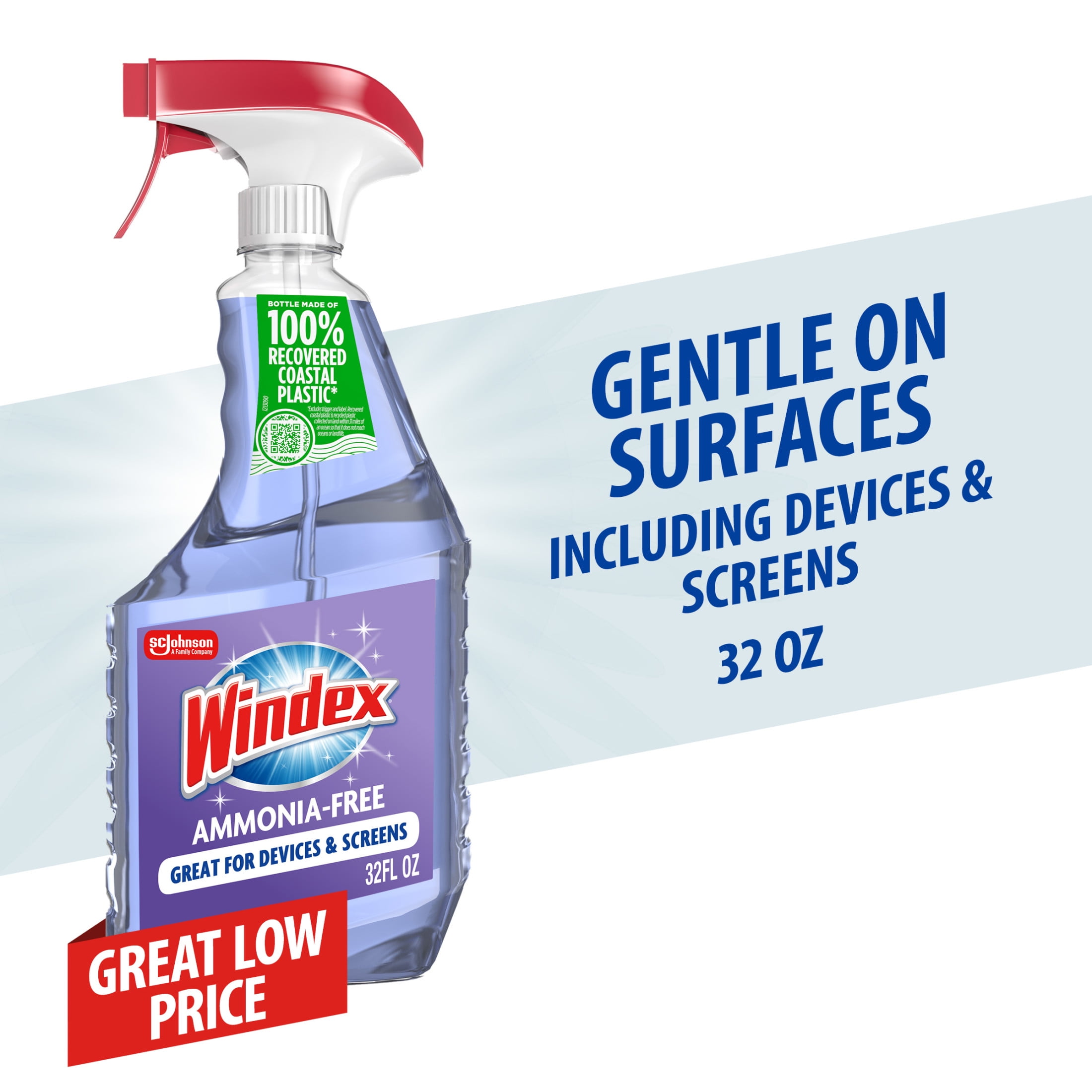
Credit: www.walmart.com
Frequently Asked Questions
What Is The Best Ammonia Ratio For Window Washing?
Use one part ammonia to three parts water for effective window cleaning. This ratio removes dirt and streaks efficiently without damaging glass.
Can Ammonia Damage Window Frames Or Seals?
Ammonia can harm some window frames, especially wood or painted surfaces. Use it carefully or avoid contact with sensitive materials to prevent damage.
Is Ammonia Safe For Indoor Window Cleaning?
Yes, ammonia is safe indoors if used in a well-ventilated area. Always wear gloves and avoid inhaling fumes for health safety.
How Often Should I Wash Windows With Ammonia?
Clean windows with ammonia every 2 to 3 months. Regular cleaning keeps glass clear and streak-free without overusing chemicals.
Conclusion
Using ammonia in your window washing recipe makes cleaning easy and effective. The solution removes dirt and leaves glass clear and shiny. Always handle ammonia carefully and keep it away from children. This simple mix saves time and effort compared to store-bought cleaners.
Clean windows brighten your home and improve your view. Try this recipe and see the difference yourself. Clean windows, happy home.
