


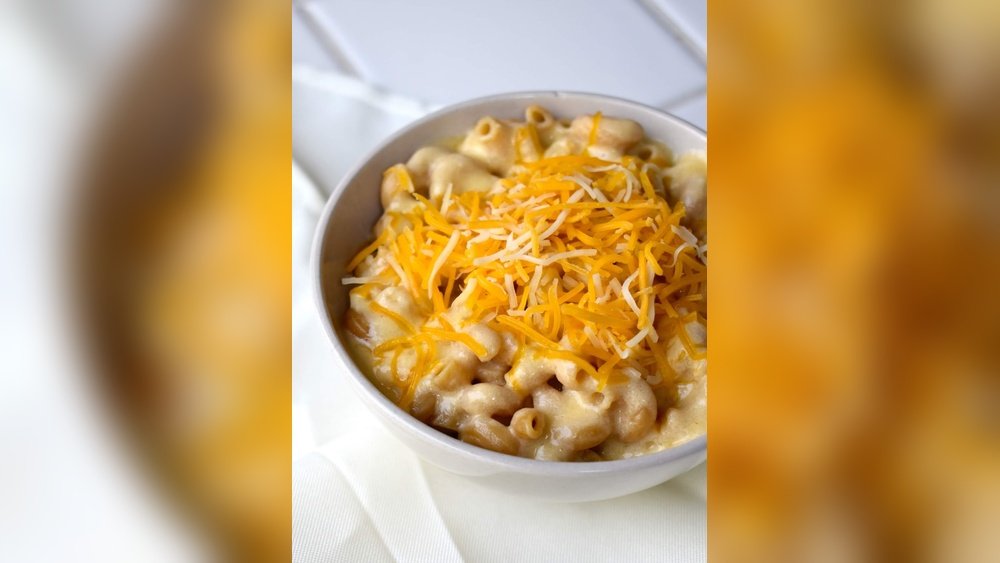
If you love creamy, cheesy comfort food, you’re going to want to try this Wisconsin Macaroni and Cheese recipe. It’s not just any mac and cheese—it’s rich, flavorful, and made with the kind of cheese that gives every bite a perfect, velvety melt.
Whether you’re cooking for your family or craving a dish that feels like a warm hug, this recipe will become your new go-to. Keep reading, and you’ll discover how easy it is to make this classic Wisconsin favorite right in your own kitchen.
Your taste buds will thank you!
Ingredients For Creamy Macaroni
Creating creamy macaroni starts with the right ingredients. Each component plays a key role in texture and taste. Choosing the best pasta, cheeses, and flavor enhancers makes all the difference. Let’s explore what you need for the perfect Wisconsin macaroni and cheese.
Choosing The Right Pasta
Small pasta shapes hold cheese sauce best. Elbow macaroni is classic and easy to find. Shells and cavatappi also work well. Avoid large pasta pieces that don’t trap sauce. Cook pasta just until tender. Overcooked pasta becomes mushy and ruins creaminess.
Selecting Wisconsin Cheeses
Use real Wisconsin cheese for authentic flavor. Cheddar is a must for sharp taste. Mix mild and sharp cheddar for balance. Add Monterey Jack for smooth melting. A bit of cream cheese boosts richness. Freshly grated cheese melts better than pre-shredded.
Additional Flavor Enhancers
Butter and whole milk create a creamy base. A pinch of salt and pepper brings out flavors. Mustard powder adds subtle tang without heat. Garlic powder gives a gentle depth. A touch of smoked paprika adds warmth and color. These small touches lift the dish beautifully.
Preparing The Cheese Sauce
Preparing the cheese sauce is the heart of a great Wisconsin macaroni and cheese recipe. The sauce brings creaminess and rich flavor to the dish. Getting the sauce right makes every bite smooth and cheesy. It starts with a simple base and careful steps.
Making A Smooth Roux
A roux is the foundation for the cheese sauce. Use equal parts butter and flour. Melt the butter over medium heat. Stir in the flour slowly. Cook for a few minutes to remove the raw taste. The roux should be thick but smooth. Stir constantly to avoid lumps. This step ensures the sauce thickens perfectly.
Incorporating Cheese Perfectly
Choose Wisconsin cheeses like cheddar or Colby for the best taste. Grate the cheese finely for quick melting. Remove the roux from heat before adding cheese. Add cheese in small amounts. Stir gently until fully melted. Avoid high heat to prevent cheese from clumping. A smooth cheese sauce is creamy and rich.
Tips For Creamy Texture
Use whole milk or cream for richness. Warm the milk before adding to the roux. Stir constantly to combine milk and roux well. Add cheese slowly, stirring between additions. Don’t overcook the sauce to keep it silky. A pinch of salt and pepper enhances flavor. Freshly made cheese sauce has the best texture.
Cooking The Macaroni
Cooking the macaroni is a key step in making authentic Wisconsin Macaroni and Cheese. Properly cooked pasta holds sauce well and gives the dish its classic texture. The goal is tender but firm pasta that blends perfectly with rich cheese sauce.
Boiling Pasta To Al Dente
Start by boiling a large pot of salted water. Use plenty of water so pasta cooks evenly. Add the macaroni once water reaches a rolling boil. Stir gently to prevent sticking. Cook the pasta until it is al dente, which means it is soft but still has a slight bite. This texture helps the pasta keep its shape after baking.
Draining And Rinsing Tips
Drain the cooked pasta in a colander immediately after cooking. Avoid overcooking to keep the texture perfect. Rinsing is optional but can help stop the cooking process quickly. Use warm water if you rinse, so pasta does not cool down too much. Drain well to remove excess water. Properly drained pasta absorbs the cheese sauce better and prevents a watery dish.
:max_bytes(150000):strip_icc()/5272115-wisconsin-five-cheese-bake-Samantha-Trujillo-1x1-1-f3f68b30a4474e0696aebfc7c9f91b12.jpg)
Credit: www.allrecipes.com
Combining Pasta And Cheese Sauce
Combining pasta and cheese sauce is the heart of a great Wisconsin macaroni and cheese. The pasta must be perfectly cooked and warm to help the cheese sauce stick well. The cheese sauce should be smooth and creamy, not too thick or thin. Mixing them just right creates a rich, comforting dish that melts in your mouth.
Getting the balance right takes a little care. The sauce should coat every piece of pasta evenly. This makes every bite cheesy and delicious. Careful mixing helps the sauce blend smoothly without clumps or dry spots.
Mixing Techniques For Even Coating
Use a large bowl or the pot with pasta to mix the sauce. Stir gently but fully. Use a spatula or large spoon to fold the sauce into the pasta. Avoid stirring too fast or hard. This can break the pasta or cause sauce to clump.
Mix in small parts of the sauce at first. Coat the pasta lightly before adding more. This helps the cheese cover the noodles well. Keep the pasta warm during mixing. Cold pasta makes the sauce hard to spread.
Adjusting Consistency
The cheese sauce should be creamy and smooth. If it is too thick, add a little milk or cream. Add a spoonful at a time. Stir well after each addition. If the sauce is too thin, cook it a bit longer on low heat. This lets it thicken without burning.
Check the sauce thickness by lifting a spoon. It should drip slowly and coat the back of the spoon. The right consistency helps the sauce stick and taste better. It also prevents the dish from becoming watery or dry.
Baking For A Golden Finish
Baking is the final step to perfect Wisconsin macaroni and cheese. It creates a golden crust that adds texture and flavor. This crust contrasts nicely with the creamy pasta inside.
A crispy top makes each bite satisfying. The right baking dish, topping, and oven settings matter. These factors help achieve a beautiful golden finish every time.
Choosing The Right Baking Dish
Pick a dish that spreads heat evenly. Glass or ceramic dishes work well. They help cook the macaroni without burning the edges.
A shallow dish lets the top brown nicely. Avoid deep pans that trap steam. Steam makes the topping soft instead of crispy.
Topping Options For Crunch
Classic breadcrumbs add a simple crunch. Mix them with melted butter for better browning. For extra flavor, sprinkle grated Parmesan cheese on top.
Crushed crackers or cornflakes also work great. They create a thicker, crunchier crust. Nuts like pecans or walnuts add a nutty twist.
Baking Time And Temperature
Preheat the oven to 350°F (175°C). Bake the macaroni for 20 to 25 minutes. Watch the top closely to prevent burning.
Turn on the broiler for 1 to 2 minutes for extra crispness. Stay near the oven while broiling. The topping can burn quickly.
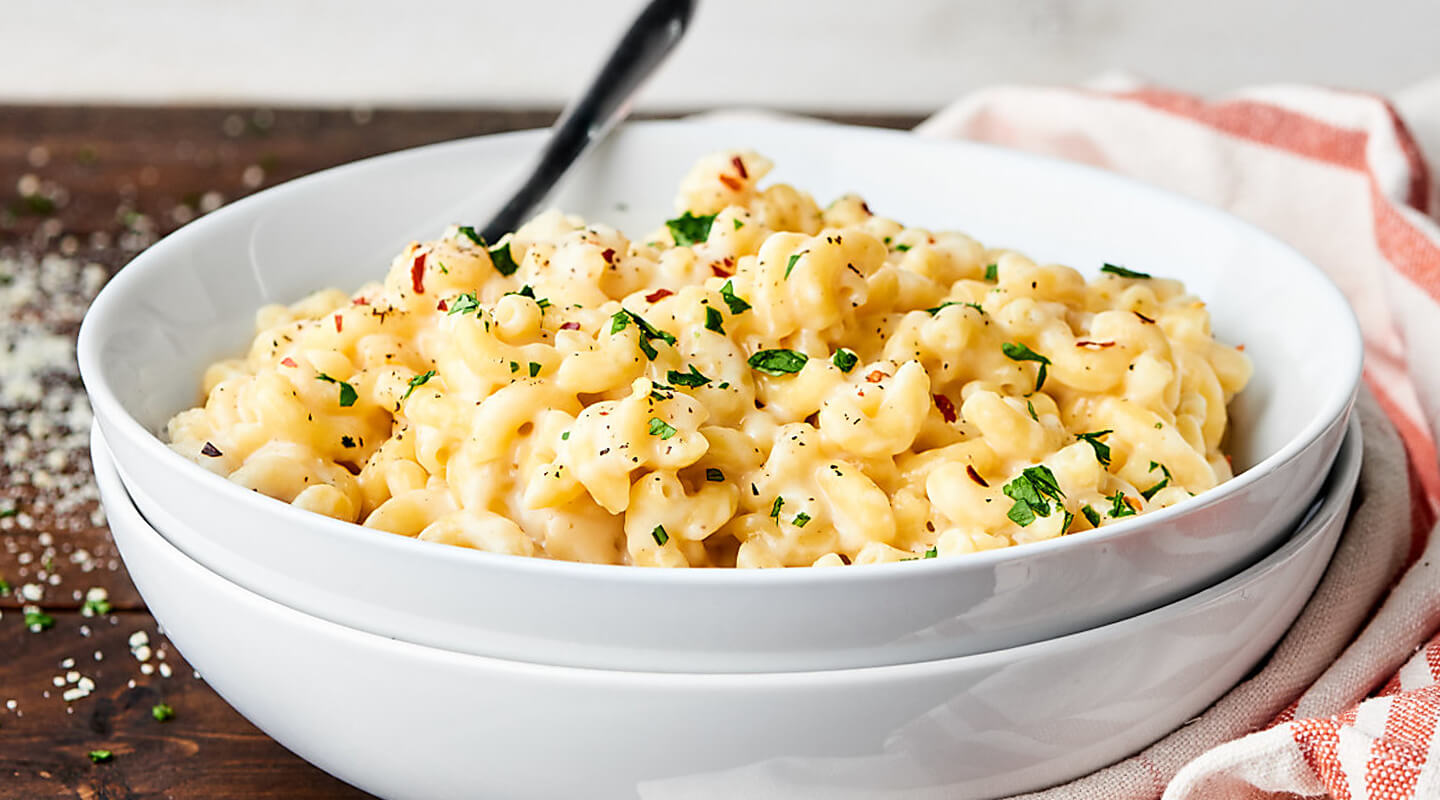
Credit: www.wisconsincheese.com
Serving Suggestions
Serving Wisconsin macaroni and cheese is a delight. It is creamy, cheesy, and full of flavor. Choosing the right sides and drinks can make your meal even better. Here are some ideas to complete your dish perfectly.
Pairing With Side Dishes
Wisconsin macaroni and cheese goes well with fresh, crunchy vegetables. Steamed broccoli or green beans add color and nutrition. A simple side salad with vinaigrette brings a light, tangy contrast. For a heartier meal, try roasted Brussels sprouts or garlic bread. These sides balance the rich, creamy texture of the macaroni and cheese.
Wine And Beverage Options
Choose drinks that complement the rich cheese flavor. A crisp white wine like Sauvignon Blanc or Chardonnay works well. These wines cut through the creaminess with their acidity. For non-alcoholic options, sparkling water with lemon refreshes the palate. Iced tea or apple cider also pairs nicely. These beverages enhance your dining experience without overpowering the dish.
Variations To Try
Wisconsin macaroni and cheese is a classic dish loved by many. You can change it up with easy variations. These tweaks keep the dish fresh and exciting. Here are some ideas to try at home.
Adding Proteins
Proteins make macaroni and cheese more filling. Try cooked chicken, crispy bacon, or ham cubes. Ground beef or sausage also work well. These options add flavor and texture to the dish.
Incorporating Vegetables
Vegetables add color and nutrition. Steamed broccoli, peas, or spinach blend nicely. Roasted red peppers or sun-dried tomatoes add sweetness. These choices make the dish healthier and tastier.
Spice And Herb Enhancements
Spices and herbs boost flavor without extra calories. Add garlic powder, paprika, or mustard powder. Fresh herbs like parsley, chives, or thyme brighten the taste. Experiment to find your favorite blend.
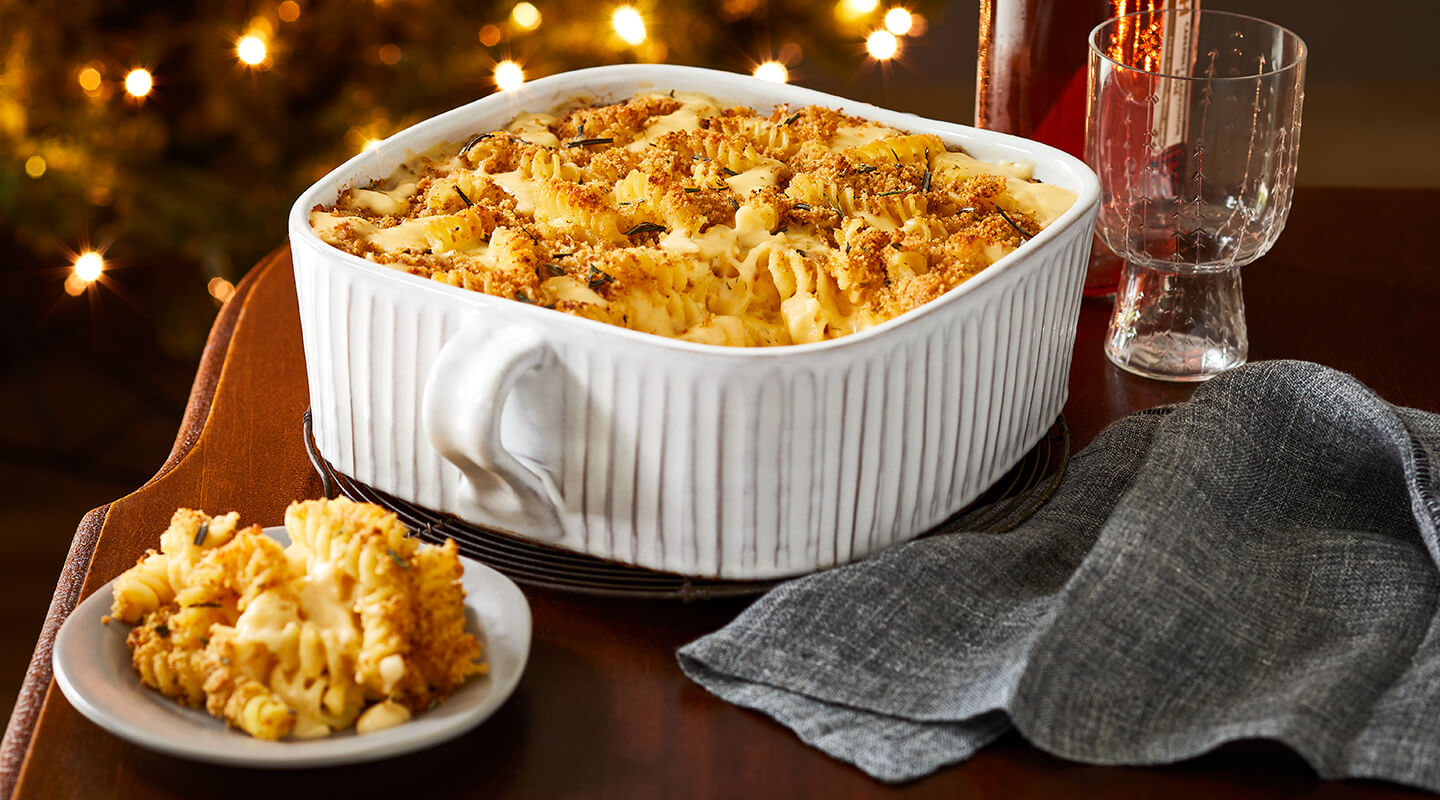
Credit: www.wisconsincheese.com
Tips For Storing And Reheating
Storing and reheating Wisconsin macaroni and cheese needs care. Doing it right keeps the dish creamy and tasty. Follow these tips to enjoy leftovers as much as the first serving.
Proper Storage Methods
Cool the macaroni and cheese before storing. Put it in an airtight container. Store it in the fridge for up to three days. For longer storage, freeze the dish. Use a freezer-safe container or bag. Label with the date to track freshness. Avoid storing at room temperature to prevent bacteria.
Reheating Without Drying Out
Reheat gently to keep creamy texture. Use low heat on the stove or oven. Add a splash of milk or cream. Stir often to heat evenly. Cover the dish to trap moisture. Microwave reheating works but use short bursts. Stir between intervals to avoid hot spots. This keeps the macaroni soft and cheesy.
Frequently Asked Questions
What Makes Wisconsin Macaroni And Cheese Special?
Wisconsin macaroni and cheese uses rich Wisconsin cheddar cheese. It offers a creamy, sharp flavor unique to this region. The recipe often includes butter and cream for extra richness. This creates a comforting and authentic cheesy dish loved nationwide.
Can I Use Other Cheeses Besides Cheddar?
Yes, you can mix cheeses like mozzarella or Monterey Jack. However, authentic Wisconsin recipes emphasize sharp cheddar for its signature taste. Mixing cheeses can change texture and flavor. Experiment to find your preferred cheese blend while keeping cheddar dominant.
How Long Does Wisconsin Macaroni And Cheese Take To Cook?
It typically takes about 30 to 40 minutes total. Boiling pasta usually takes 8-10 minutes. Preparing cheese sauce and baking adds 20-30 minutes. Cooking times may vary slightly depending on oven and stove settings.
Is Wisconsin Macaroni And Cheese Healthy?
While delicious, it is high in calories, fat, and sodium. It provides protein and calcium from cheese. Moderation is key when enjoying this rich comfort food. Consider pairing with vegetables or a salad for balanced meals.
Conclusion
This Wisconsin macaroni and cheese recipe brings comfort to your table. Creamy cheese and tender pasta blend perfectly. You can make it easily at home. Serve it with your favorite sides or enjoy it alone. This dish warms the heart and fills the belly.
Try it today and taste a true Wisconsin classic. Simple ingredients, big flavor. Perfect for any meal or special occasion.
