


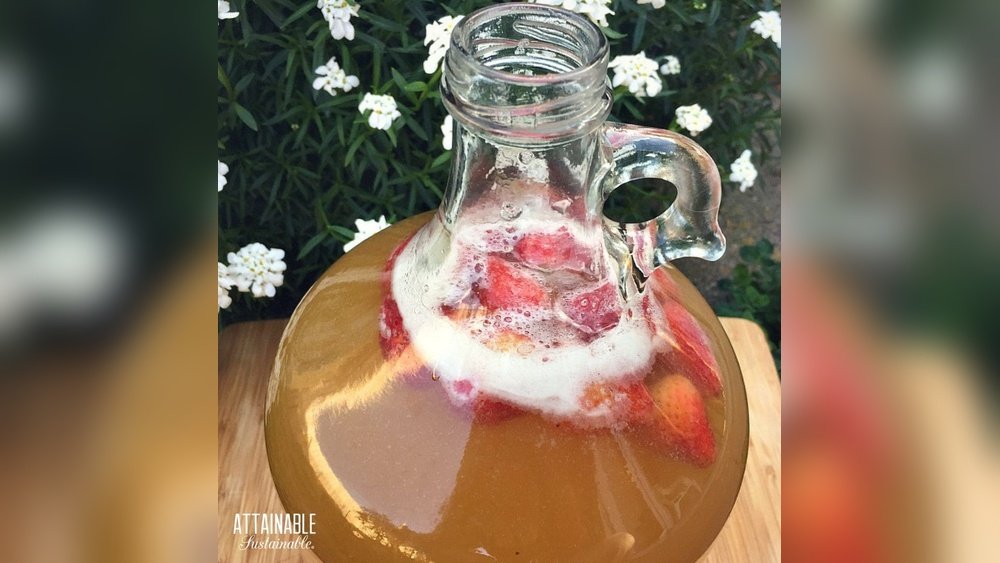
Are you ready to create a delicious drink that’s both sweet and refreshing? Strawberry mead is a perfect blend of honey’s natural richness and the fresh, vibrant taste of strawberries.
Whether you’re a beginner or have tried mead before, this simple recipe will guide you step-by-step. Imagine sipping your own homemade strawberry mead, impressing friends, and enjoying a unique flavor that’s hard to find anywhere else. Keep reading, and you’ll discover how easy and rewarding it is to make this delightful drink at home.
Ingredients Needed
Creating a delicious strawberry mead starts with the right ingredients. Each component plays a key role in the final taste and quality. Choose fresh and quality items for the best results. Here is what you need to prepare.
Fresh Strawberries
Pick ripe and sweet strawberries. Fresh berries give natural flavor and color. Avoid bruised or moldy fruit. Wash them well before use. The quantity depends on how strong you want the strawberry taste.
Honey Selection
Choose pure honey for the best sweetness. Light floral honey works well for strawberry mead. Avoid artificial or processed honey. The honey type affects the aroma and body of your mead.
Yeast Choices
Select yeast made for mead or wine. Yeast converts sugar into alcohol and carbon dioxide. Use active dry yeast for easier fermentation. Different yeasts produce subtle flavor differences.
Additional Flavorings
Add spices like cinnamon or cloves for warmth. Vanilla beans can give a smooth, sweet note. Citrus zest adds a fresh, tangy touch. Use these in small amounts to complement the strawberry taste.
Equipment Checklist
Before starting your strawberry mead, gather all necessary equipment. Having the right tools helps the process go smoothly. It ensures your mead turns out tasty and safe.
Fermentation Vessel
Choose a clean glass or food-grade plastic container. It must hold all your ingredients with extra space. The vessel needs a wide mouth for easy stirring and cleaning.
Airlock Setup
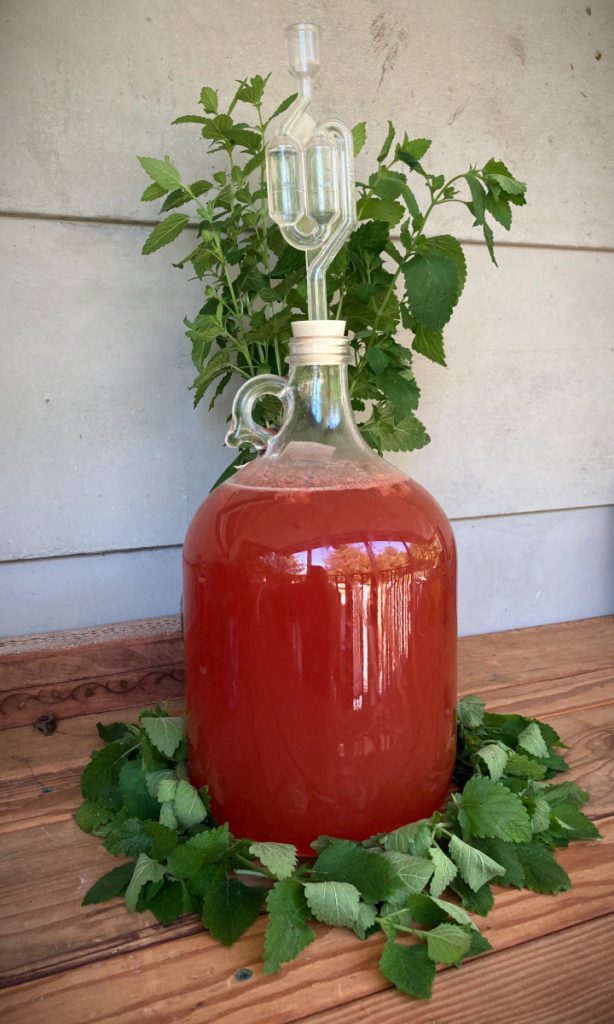
An airlock lets gases escape while stopping air and bugs. Fit it tightly on your fermentation vessel. This tool keeps your mead safe from contamination during fermentation.
Sanitizing Tools
Sanitize every tool before use. Use a no-rinse sanitizer designed for brewing. Clean tools prevent bad bacteria from spoiling your mead.
Bottling Supplies
Prepare clean bottles with caps or corks for storing your mead. Use a siphon or funnel to fill bottles without spills. Label your bottles with the date for tracking.
Preparation Steps
Preparing strawberry mead is a simple and rewarding process. Follow these steps carefully to create a delicious homemade drink. Each stage matters for the best taste and safety.
Cleaning And Sanitizing
Start by cleaning all your tools and containers. Use hot water and a mild detergent to wash them well. Then, sanitize everything with a food-safe sanitizer. This step prevents unwanted bacteria from spoiling your mead.
Preparing Strawberries
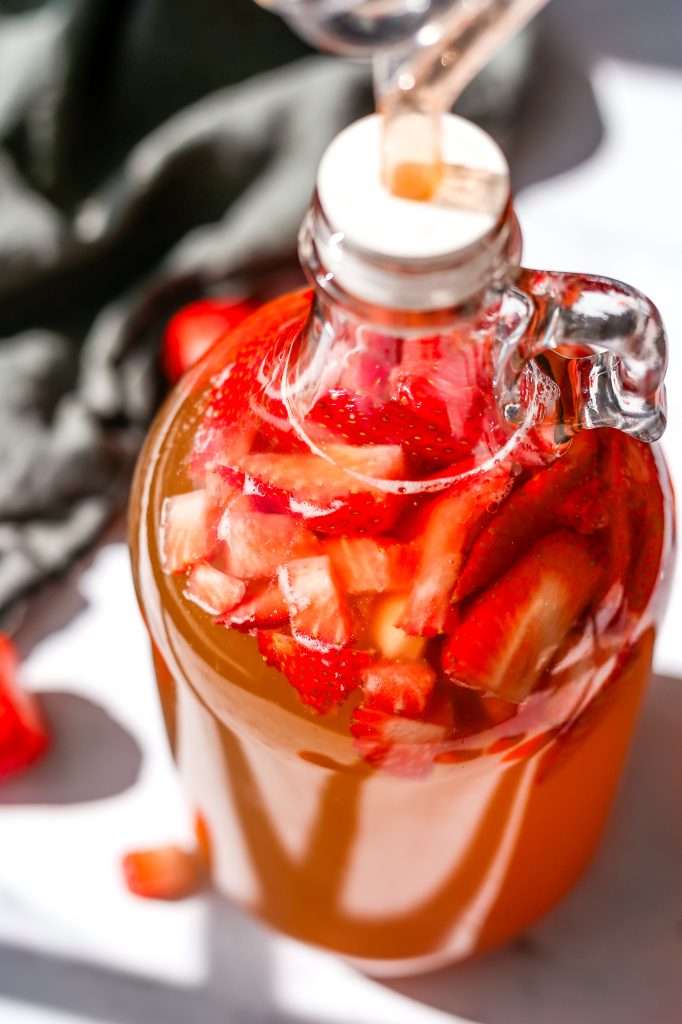
Wash fresh strawberries under cold water. Remove stems and any bad spots. Cut strawberries into small pieces to release their flavor. You can mash them slightly for better juice extraction.
Mixing Ingredients
Place the prepared strawberries in a large container. Add honey and warm water to the fruit. Stir the mixture gently to combine. Finally, add yeast to start fermentation. Cover the container but allow air to escape.
Fermentation Process
The fermentation process is the heart of making strawberry mead. It changes sweet juice into a tasty, alcoholic drink. This process needs care and patience. Each step affects the flavor and quality of your mead.
Understanding how fermentation works helps you get better results. Watch closely and follow the right steps. The process has two main parts: primary and secondary fermentation.
Primary Fermentation
Primary fermentation starts right after mixing honey, water, and strawberries. Yeast is added to eat the sugar and make alcohol. This stage lasts about one to two weeks.
The mixture will bubble and foam. This shows yeast is active and working. Keep the container in a cool, dark place. Cover it with an airlock to let gas escape but stop air from entering.
Monitoring Progress
Check your mead daily during fermentation. Look for bubbles and foam on the surface. These signs mean the yeast is alive.
Use a hydrometer to measure sugar levels. When the reading stops changing, primary fermentation is done. This tool helps track how much sugar yeast has used.
Secondary Fermentation
After primary fermentation, transfer the mead to a clean container. This step removes sediment and improves taste. Secondary fermentation lasts several weeks to months.
This stage makes the mead clearer and smoother. Keep it in a cool, dark place again. Use an airlock to avoid air contact. Patience is key for the best flavor.
Bottling And Aging
Bottling and aging are key steps in making strawberry mead. They affect the taste, aroma, and clarity of your mead. Taking care during these stages helps your mead reach its full potential. Follow the right methods to keep your strawberry mead fresh and delicious.
Choosing Bottles
Select clean glass bottles for your strawberry mead. Dark bottles protect the mead from light damage. Use bottles with airtight caps or corks. Avoid plastic containers as they can affect the flavor. Make sure bottles are sterilized to prevent spoilage.
Sealing And Storing
Seal bottles tightly to keep air out. Oxygen can spoil the mead or change its taste. Store bottles in a cool, dark place. Avoid places with temperature changes or sunlight. Keep the bottles upright to prevent leaks and contamination.
Optimal Aging Time
Aging improves the flavor and smoothness of strawberry mead. Wait at least 3 to 6 months before tasting. Some meads get better with a year or more of aging. Taste your mead regularly to find your preferred flavor. Patience leads to a richer, balanced drink.
Credit: cultured.guru
Serving Tips
Serving Strawberry Mead properly enhances its natural sweetness and rich flavors. The right temperature, glass, and food pairing can make every sip more enjoyable. Follow these tips to enjoy your mead at its best.
Ideal Serving Temperature
Serve strawberry mead chilled but not too cold. Aim for about 45-55°F (7-13°C). This temperature keeps the fruit flavors clear and fresh. Too cold dulls the taste. Too warm makes it taste overly sweet.
Glassware Recommendations
Choose glassware that shows off the color and aroma. A tulip-shaped glass works well. It narrows at the top to hold the scent. A wine glass can also work fine. Avoid wide or short glasses that lose aroma quickly.
Food Pairings
Strawberry mead pairs well with light and sweet foods. Try fresh berries, soft cheeses, or mild desserts. It also complements salads with fruit or light vinaigrette. Avoid heavy or spicy dishes that overpower the mead.
Troubleshooting Common Issues
Making strawberry mead can be a fun experience. Still, some common problems may arise. Troubleshooting helps fix these issues quickly. It also improves your mead’s taste and appearance.
Here are some tips to solve common problems in strawberry mead making. They focus on preventing off-flavors, fixing cloudiness, and adjusting sweetness.
Preventing Off-flavors
Off-flavors spoil mead’s natural taste. Use clean equipment to avoid contamination. Sanitize all tools before use. Avoid using old or damaged fruit. Keep fermentation temperature steady and cool. This stops unwanted bacteria and yeast growth. Use high-quality yeast for better flavor.
Fixing Cloudy Mead
Cloudy mead looks less appealing. Cold crashing helps clear the mead. Chill the mead to near freezing for a few days. This makes particles settle at the bottom. Use fining agents like bentonite or gelatin to clear haze. Filter the mead gently to avoid removing flavors. Patience is key for clear mead.
Adjusting Sweetness
Sweetness level affects mead’s balance. Taste the mead before bottling. Add honey or sugar syrup slowly for more sweetness. Stir well and taste again after a day. Avoid adding too much sugar at once. Use stabilizers like potassium sorbate to stop fermentation if needed. This keeps sweetness steady in the final product.
Credit: www.pixiespocket.com
Variations To Try
Strawberry mead is delicious on its own. Trying different versions can make it even more fun. Small changes can create new flavors. These ideas help you explore and enjoy your mead.
Adding Herbs And Spices
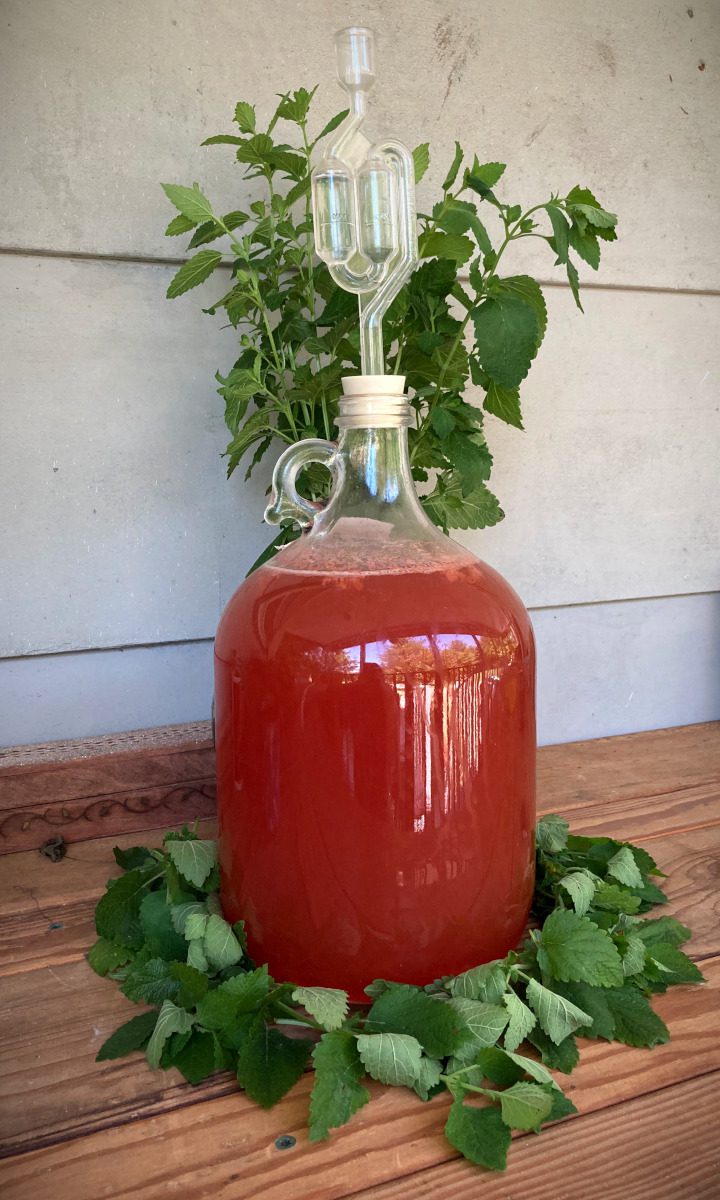
Herbs and spices add depth to strawberry mead. Try cinnamon for warmth and sweetness. Mint adds a fresh, cool taste. Ginger brings a bit of spice and zing. Use small amounts to balance flavors well.
Using Different Fruits
Combine strawberries with other fruits for variety. Blueberries add a mild sweetness and color. Raspberries give a tart, bright note. Peaches bring softness and a juicy flavor. Mix fruits to create your favorite blend.
Experimenting With Honey Types
Honey type changes the mead’s taste and aroma. Clover honey is light and floral. Wildflower honey has a rich, complex flavor. Orange blossom honey adds a citrus hint. Choose honey based on the flavor you want.
Credit: www.pixiespocket.com
Frequently Asked Questions
What Ingredients Are Needed For Strawberry Mead?
Strawberry mead requires honey, fresh strawberries, water, yeast, and optional additives like yeast nutrient. Quality ingredients ensure better flavor and fermentation.
How Long Does Strawberry Mead Take To Ferment?
Fermentation usually takes 4 to 6 weeks. Aging for several months improves taste and smoothness. Patience results in richer mead.
Can I Use Frozen Strawberries For Mead?
Yes, frozen strawberries work well and are convenient. They retain flavor and nutrients, aiding fermentation and taste development.
How Sweet Is Homemade Strawberry Mead?
Sweetness depends on honey amount and fermentation time. Longer fermentation reduces sweetness, while added honey increases it. Adjust to personal preference.
Conclusion
Strawberry mead offers a sweet and fruity twist to traditional mead. This recipe is simple and fun to try at home. Fresh strawberries add natural flavor and color. You can enjoy it chilled or at room temperature. Perfect for sharing with friends or relaxing alone.
Give it a go and enjoy your homemade mead. A tasty drink made with love and patience. Cheers to your brewing adventure!
