


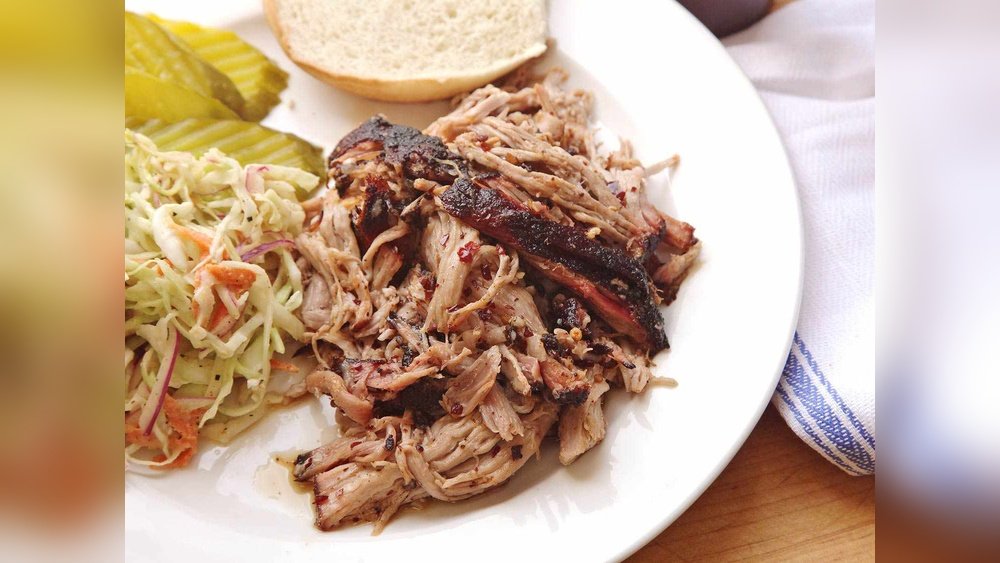
If you love tender, juicy pulled pork but struggle with dry or tough results, this sous vide pulled pork recipe is exactly what you need. Imagine biting into pork that’s perfectly cooked every time—falling apart with just a fork, full of rich flavor, and so easy to make.
You don’t have to be a pro chef or spend hours watching the stove. Keep reading, and you’ll discover how to achieve mouthwatering pulled pork that will impress your family and friends, all with simple steps and minimal effort. Ready to transform your cooking?
Let’s dive in!
Why Choose Sous Vide For Pulled Pork
Sous vide cooking offers a gentle and precise way to prepare pulled pork. This method cooks the meat evenly at a controlled temperature. The result is tender, juicy pork that falls apart easily.
Traditional methods can dry out the pork or cook it unevenly. Sous vide keeps the pork moist by sealing in its natural juices. It enhances the flavor without adding extra fat or salt.
Consistent Results Every Time
Sous vide ensures the pork cooks at the perfect temperature. No risk of overcooking or undercooking. Each bite remains tender and flavorful, making your meal more enjoyable.
Enhanced Flavor And Texture
The sealed bag traps all the pork’s natural flavors. The slow cooking breaks down tough fibers gently. This creates a soft, melt-in-your-mouth texture that is hard to achieve otherwise.
Hands-off Cooking Convenience
Set the temperature and time, then let sous vide do the work. No need to watch the pork constantly. This frees you up to prepare sides or relax while cooking.
Healthier Cooking Method
Sous vide uses low temperatures, preserving nutrients better than high heat. The meat cooks in its own juices, so no extra oil or butter is needed. A simple way to enjoy clean, healthy pulled pork.
Ingredients You’ll Need
For this sous vide pulled pork recipe, you’ll need pork shoulder, barbecue spices, and a bit of salt. Fresh garlic and onion powder add great flavor. Simple ingredients make a tasty, tender dish.
Pork Shoulder
Pork shoulder is the best cut for pulled pork. It has enough fat to stay juicy during cooking. Choose a piece that weighs about 3 to 4 pounds. This size works well for sous vide cooking and serving a group.
Dry Rub Spices
A simple dry rub brings great flavor. Use salt, black pepper, paprika, garlic powder, and brown sugar. These spices create a nice balance of sweet and savory. Rub the mix all over the pork before cooking.
Liquid Smoke
Liquid smoke adds a smoky taste without a grill. Just a small amount goes a long way. It helps give the pork that classic barbecue flavor. Mix it into the dry rub or marinade.
Barbecue Sauce
Barbecue sauce is optional but recommended. Choose your favorite brand or make a simple sauce at home. It adds moisture and extra flavor to the pulled pork. Serve it on the side or mix it in before serving.
Vacuum Seal Bags
Vacuum seal bags keep the pork fresh during sous vide cooking. They prevent water from touching the meat. Use high-quality bags made for sous vide. Proper sealing helps the pork cook evenly and safely.
Preparing The Pork Shoulder
Preparing the pork shoulder is the first step to great sous vide pulled pork. It needs careful trimming and seasoning. This helps the meat cook evenly and taste delicious. Proper preparation also improves the texture and flavor of the pork.
Taking time to prepare the pork shoulder well makes a big difference. The meat becomes tender and juicy after slow cooking. Let’s explore how to trim and season the pork, then how to marinate it for extra flavor.
Trimming And Seasoning Tips
Start by removing excess fat from the pork shoulder. Leave a thin layer to keep the meat moist. Cut away any silver skin or tough parts. This prevents chewy bites in the final dish.
Next, season the pork with salt and pepper. Use your favorite dry spices like paprika, garlic powder, or cayenne. Rub the spices evenly over the meat. This helps the flavor soak in during cooking.
Do not forget to pat the pork dry before seasoning. A dry surface helps the spices stick better. Proper seasoning sets the base for tasty pulled pork.
Marinating For Flavor
Marinating the pork shoulder adds deep flavor. Use a simple marinade with vinegar, brown sugar, and spices. The acid helps tenderize the meat.
Place the pork and marinade in a sealed bag. Let it sit in the fridge for at least 4 hours. Overnight marinating works best for rich taste.
Remove the pork from the marinade before cooking. Pat it dry again to help form a nice crust after sous vide. This step brings out the best flavors.
Credit: www.wenthere8this.com
Setting Up Your Sous Vide
Setting up your sous vide is the first step to perfect pulled pork. This method cooks meat slowly and evenly. It locks in juices and flavors. Preparing your equipment and choosing the right time and temperature matter a lot. Proper setup ensures tender, juicy results every time.
Temperature And Time Guide
For pulled pork, set the sous vide to 165°F (74°C). Cook the pork for 18 to 24 hours. This long, slow cooking breaks down tough fibers. It makes the meat easy to pull apart. Lower temperatures like 145°F (63°C) need more time, around 24 to 36 hours. Choose the time and temperature based on your texture preference. Higher heat shortens cooking but may change texture.
Equipment Checklist
Gather these tools before starting:
- Sous vide immersion circulator
- Large pot or container for water
- Vacuum sealer or heavy-duty zipper bags
- Thermometer for double-checking water temperature
- Tongs to handle hot bags
Make sure your equipment is clean and ready. Proper tools make the cooking process smooth and safe.
Cooking Process
The cooking process for sous vide pulled pork is simple but important. It uses precise temperature control to cook the meat evenly. This method keeps the pork juicy and tender. The slow cooking breaks down the meat fibers, making it easy to pull apart.
Following the right steps ensures the best flavor and texture. Two main stages include sealing the pork and cooking it in water. Careful preparation and monitoring lead to perfect pulled pork every time.
Vacuum Sealing The Pork
Start by seasoning the pork with your favorite spices. Place the pork in a vacuum bag. Remove all the air using a vacuum sealer. This step helps keep the meat moist. It also allows the heat to reach the pork evenly. A tight seal prevents water from entering the bag during cooking.
Immersing And Monitoring
Heat the water bath to the correct temperature, usually between 165°F and 175°F. Submerge the sealed pork completely in the water. Use a clip to keep the bag from floating. Check the water level often and add warm water if needed. Cook the pork for 18 to 24 hours. This long time makes the meat tender and easy to shred.
Credit: saltpepperskillet.com
Finishing Touches
After cooking sous vide pulled pork, the final steps are crucial. These steps bring out the best flavors and texture. Proper finishing makes your dish stand out and taste amazing.
Shredding The Meat
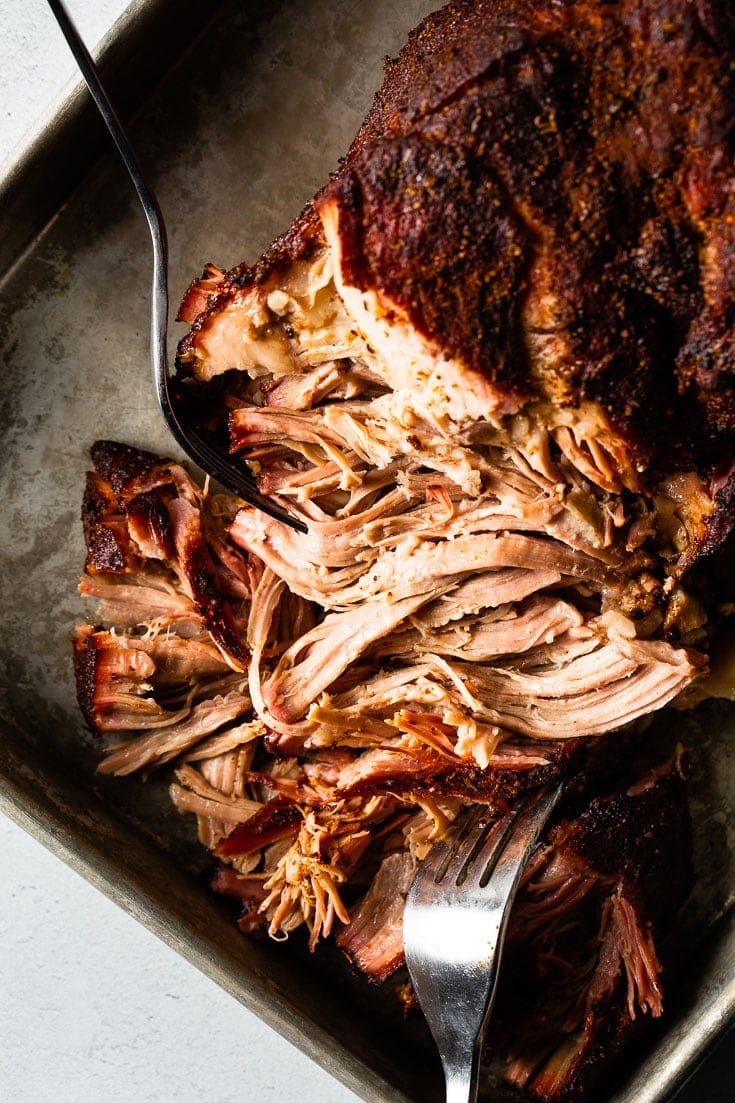
Start by removing the pork from the bag. Let it rest for a few minutes to cool slightly. Use two forks to pull the meat apart gently. Shred the pork into bite-sized pieces. Avoid over-shredding to keep the texture tender. Discard any large chunks of fat or gristle for better taste.
Adding Sauce And Serving Ideas
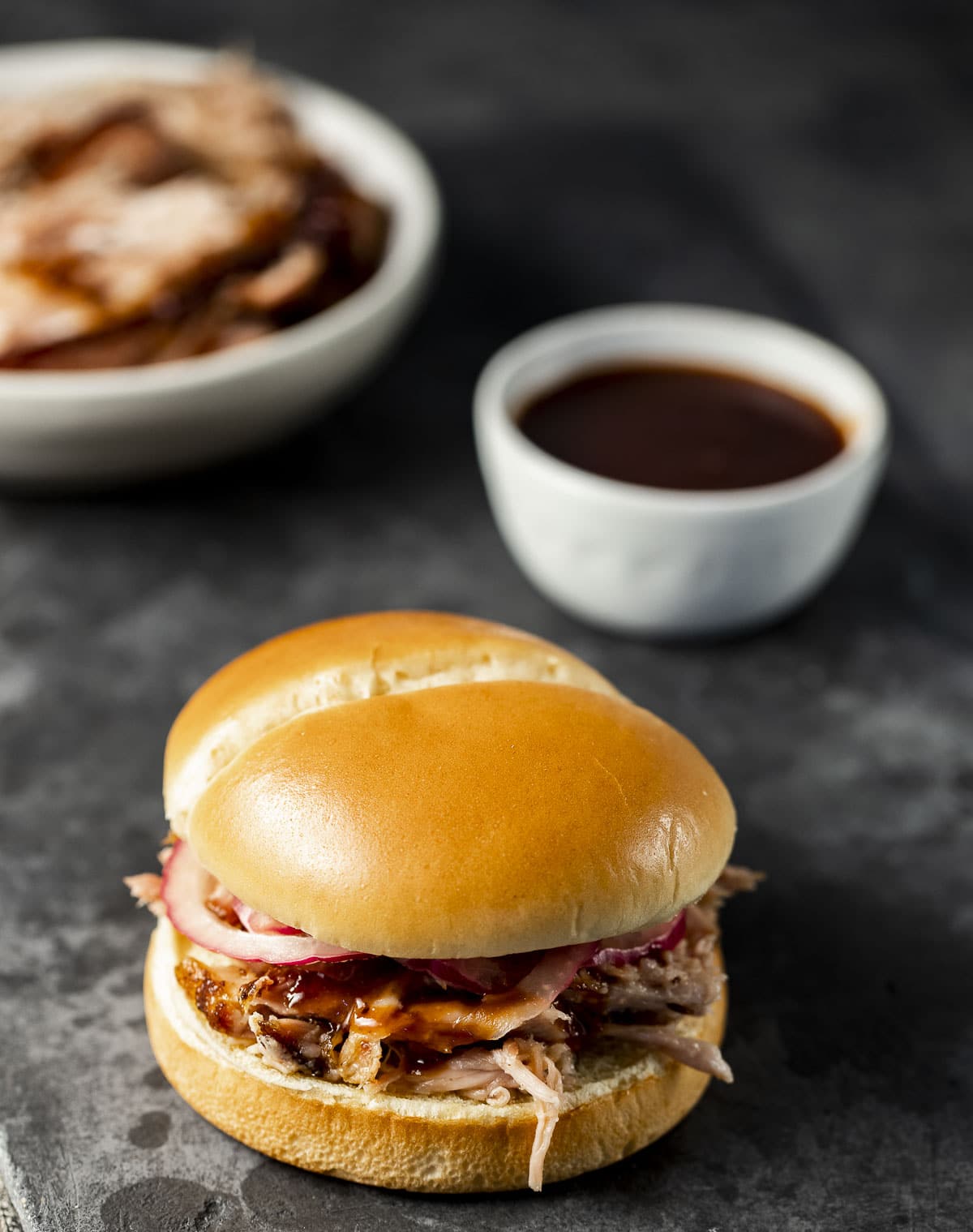
Choose a sauce that matches your taste. Classic barbecue sauce works well with pulled pork. Mix the sauce with shredded pork evenly. Serve the pork on buns for sandwiches. Add coleslaw or pickles for extra crunch. Try it on tacos or with rice for variety. Warm the sauce slightly before mixing for better flavor. Keep some sauce on the side for those who want more.
Tips For Perfect Pulled Pork Every Time
Making pulled pork with sous vide gives tender, juicy meat. Small changes make a big difference in taste and texture.
Follow these tips to get perfect pulled pork every time. Simple steps that save time and improve flavor.
Choose The Right Cut Of Pork
Pork shoulder or pork butt works best for pulled pork. These cuts have enough fat to stay moist. Avoid lean cuts that dry out easily.
Set The Correct Temperature And Time
Cook pork at 165°F (74°C) for 18 to 24 hours. Lower temps give tender meat but less shredding. Longer cooking breaks down collagen well.
Season The Meat Well
Use a dry rub with salt, pepper, and spices. Let the pork sit with rub for a few hours. This adds deep flavor before cooking.
Seal The Bag Properly
Remove air from the vacuum bag to prevent floating. Use a vacuum sealer or water displacement method. Proper sealing ensures even cooking.
Rest Before Shredding
Let pork rest 10-15 minutes after sous vide. Resting helps juices redistribute inside the meat. This keeps pulled pork moist and flavorful.
Shred With Care
Use two forks to pull meat gently apart. Avoid shredding too finely to keep texture. Large pieces hold sauce and taste better.
Add Sauce Last
Mix pulled pork with sauce right before serving. This keeps pork from getting soggy. Adjust sauce amount for taste and moisture.
Storing And Reheating Leftovers
Storing and reheating leftover sous vide pulled pork keeps its flavor and texture fresh. Proper storage stops bacteria growth and keeps the meat safe to eat. Reheating sous vide pulled pork correctly prevents it from drying out. Follow these simple steps to enjoy your leftovers just like the first time.
Storing Sous Vide Pulled Pork
Let the pulled pork cool to room temperature before storing. Place the pork in an airtight container or sealable bag. Store in the refrigerator for up to four days. For longer storage, freeze the pork in freezer bags. Label the bags with the date for easy tracking. Avoid leaving the pork out for more than two hours.
Reheating Pulled Pork Safely
Reheat pulled pork slowly to keep it moist and tender. Use a low heat setting on your stove or oven. Add a splash of water or broth to keep the pork juicy. Cover the pork with foil or a lid while reheating. Stir occasionally to heat evenly. Heat until the internal temperature reaches 165°F (74°C) for safety.
Using Sous Vide For Reheating Leftovers
Reheating sous vide pulled pork in a water bath preserves texture and flavor. Set the sous vide to 140°F (60°C). Place the pork in a sealed bag. Submerge the bag in the water bath for 45 to 60 minutes. Remove and serve immediately for best taste. This method prevents overcooking and keeps the pork tender.
:max_bytes(150000):strip_icc()/__opt__aboutcom__coeus__resources__content_migration__serious_eats__seriouseats.com__recipes__images__2017__01__20160101-carnitas-cochinita-pibil-sous-vide-recipe41-1afe4672448a49db9c8426d9d11c26bf.jpg)
Credit: www.seriouseats.com
Frequently Asked Questions
What Is The Best Temperature For Sous Vide Pulled Pork?
The ideal sous vide temperature for pulled pork is 165°F (74°C). This temperature ensures tender, juicy meat that easily shreds while retaining flavor and moisture. Cooking at 165°F for 18 to 24 hours yields perfect pulled pork texture every time.
How Long Should I Cook Pulled Pork Sous Vide?
Cook pulled pork sous vide for 18 to 24 hours. This slow cooking breaks down collagen, making the meat tender and easy to shred. Longer cooking times enhance flavor and tenderness without drying out the pork.
Can I Use Any Cut Of Pork For Sous Vide Pulled Pork?
Pork shoulder or pork butt are best for sous vide pulled pork. These cuts have enough fat and connective tissue to become tender. Lean cuts won’t shred well or stay juicy after sous vide cooking.
Do I Need To Sear Pork After Sous Vide Cooking?
Yes, searing pulled pork after sous vide cooking adds flavor and texture. A quick sear in a hot pan or grill creates a delicious crust. It enhances the overall taste without overcooking the tender interior.
Conclusion
This sous vide pulled pork recipe makes cooking simple and fun. The meat stays juicy and tender every time. You can prepare it ahead and enjoy it later. Perfect for sandwiches, tacos, or salads. Try different spices to find your favorite flavor.
This method saves time and effort in the kitchen. A great way to enjoy delicious pulled pork at home. Give it a try and taste the difference yourself.
