


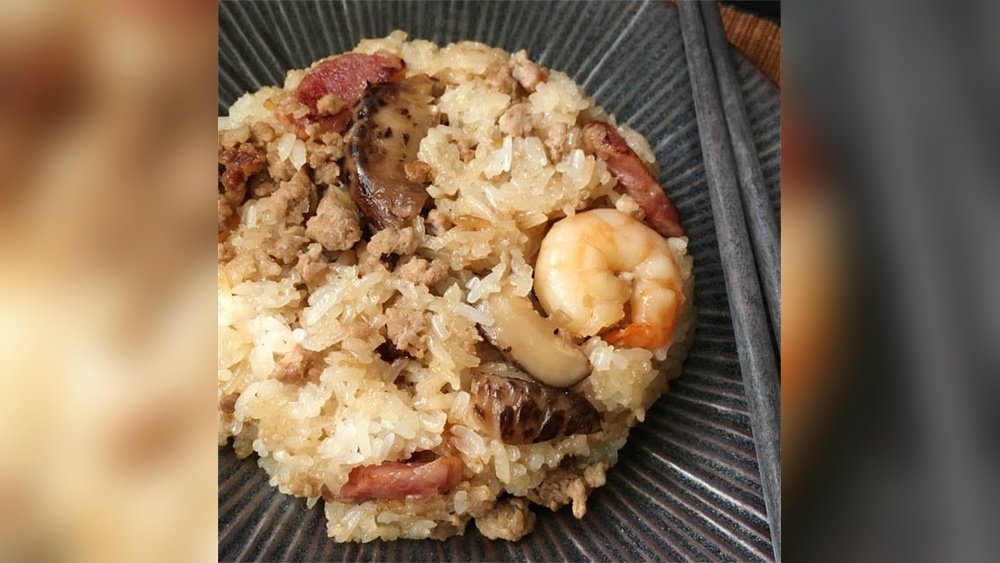
Are you tired of sticky rice that turns out too mushy or uneven? Imagine perfectly cooked sticky rice every time, with just a few simple steps and your rice cooker.
Whether you’re new to cooking sticky rice or want to master the technique, this recipe will guide you to fluffy, tender grains that stick just right. Ready to impress your family or friends with flawless sticky rice? Keep reading, and you’ll discover easy tips that make all the difference.
:max_bytes(150000):strip_icc()/make-sticky-rice-in-rice-cooker-3217199-step-04-01-cb329c679e3e4bbdbc91a1eb5ed0d757.jpg)
Credit: www.thespruceeats.com
Choosing Sticky Rice
Choosing the right sticky rice makes a big difference in your rice cooker recipe. Sticky rice has a unique texture and taste that sets it apart from regular rice. Picking the correct type ensures your dish turns out perfect every time. Let’s explore the different types and where you can buy them.
Types Of Sticky Rice
Sticky rice, also called glutinous rice, comes in several varieties. White sticky rice is the most common and has a soft, sticky texture when cooked. It works well for sweet and savory dishes.
Black sticky rice has a nutty flavor and a deep purple color. It is rich in antioxidants and adds a unique look to your meals. Sometimes called purple sticky rice, it is popular in desserts.
Red sticky rice has a slightly earthy taste and a reddish hue. It is less sticky than white or black types but still clumps together nicely. Each type offers a different taste and texture.
Where To Buy
Sticky rice is available at Asian grocery stores or specialty markets. These stores offer fresh and authentic varieties. You can also find sticky rice online from trusted sellers.
When buying, check the packaging date for freshness. Look for rice labeled as “glutinous” or “sticky.” Avoid regular long-grain rice as it won’t have the right stickiness.
Preparing Sticky Rice
Preparing sticky rice properly is key for a soft, chewy texture. This step affects the final dish’s taste and consistency. Taking time to wash and soak the rice creates the perfect base.
Using the right amount of water and rice ensures the rice cooks evenly. Follow these simple steps for the best results in your sticky rice rice cooker recipe.
Washing And Soaking
Start by placing sticky rice in a large bowl. Rinse the rice with cold water. Stir gently with your hand to remove excess starch. Drain the water and repeat this process 3 to 4 times. The water should become clearer each time.
After washing, soak the rice in fresh water. Let it sit for at least 4 hours or overnight. Soaking helps the grains absorb water evenly. This step makes the rice softer and stickier after cooking.
Measuring Rice And Water
Measure the rice carefully using a standard cup. Sticky rice usually needs equal parts water and rice. For example, 1 cup of rice requires 1 cup of water.
Too much water can make the rice mushy. Too little water leaves it dry and hard. Follow the rice cooker’s instructions for water levels if available. Accurate measuring leads to perfect sticky rice every time.
Using A Rice Cooker
Using a rice cooker makes preparing sticky rice simple and consistent. It takes the guesswork out of cooking times and water amounts. You get soft, chewy rice every time. The rice cooker handles heat well to keep the rice from burning or drying out.
Sticky rice needs special care. It requires soaking and the right water ratio. A rice cooker designed for sticky rice or one with multiple settings works best. This method saves time and reduces mess in your kitchen.
Selecting The Right Cooker
Choose a rice cooker with a sticky rice or porridge setting. This helps control cooking temperature and time. A cooker with a non-stick pot makes cleaning easier. Small cookers work well for one or two servings. Larger cookers suit families or meal prep.
Look for models that allow you to soak rice inside the cooker. This step softens the rice grains for better texture. A clear lid helps watch the cooking process without opening it. Avoid cookers that only have a simple on/off switch.
Cooking Settings For Sticky Rice
Use the sticky rice or porridge setting for best results. This setting cooks rice at a lower heat for longer time. It prevents the rice from drying out or burning. Soak sticky rice for at least 4 hours before cooking. Drain the rice well to avoid extra water.
Measure water carefully. Use about 1 cup of water for 1 cup of soaked sticky rice. Start the rice cooker and let it finish the cycle. Let the rice rest inside the cooker for 10 minutes after cooking. This step firms up the texture and improves flavor.
Cooking Process
The cooking process of sticky rice in a rice cooker is simple and effective. It brings out the perfect texture and flavor. Using a rice cooker saves time and effort compared to traditional methods.
Proper preparation and cooking settings are key to getting soft, sticky rice. This section guides you through easy steps and useful tips. Follow these instructions to enjoy delicious sticky rice every time.
Step-by-step Instructions
Start by rinsing the sticky rice under cold water. Rinse until the water runs clear. This removes excess starch and prevents clumping.
Soak the rice in water for at least 4 hours or overnight. Soaking softens the grains and helps even cooking.
Drain the soaked rice and place it in the rice cooker. Add water using a 1:1 ratio with the rice. Adjust slightly depending on your rice cooker model.
Turn on the rice cooker and select the “Cook” setting. Let the rice cook until the cooker switches to “Keep Warm.”
Let the rice rest inside the cooker for 10 minutes after cooking. This step allows the moisture to distribute evenly.
Tips For Fluffiness
Use high-quality sticky rice for the best results. Low-grade rice may affect texture.
Do not skip soaking; it is crucial for soft grains. Soaking time affects the fluffiness of the rice.
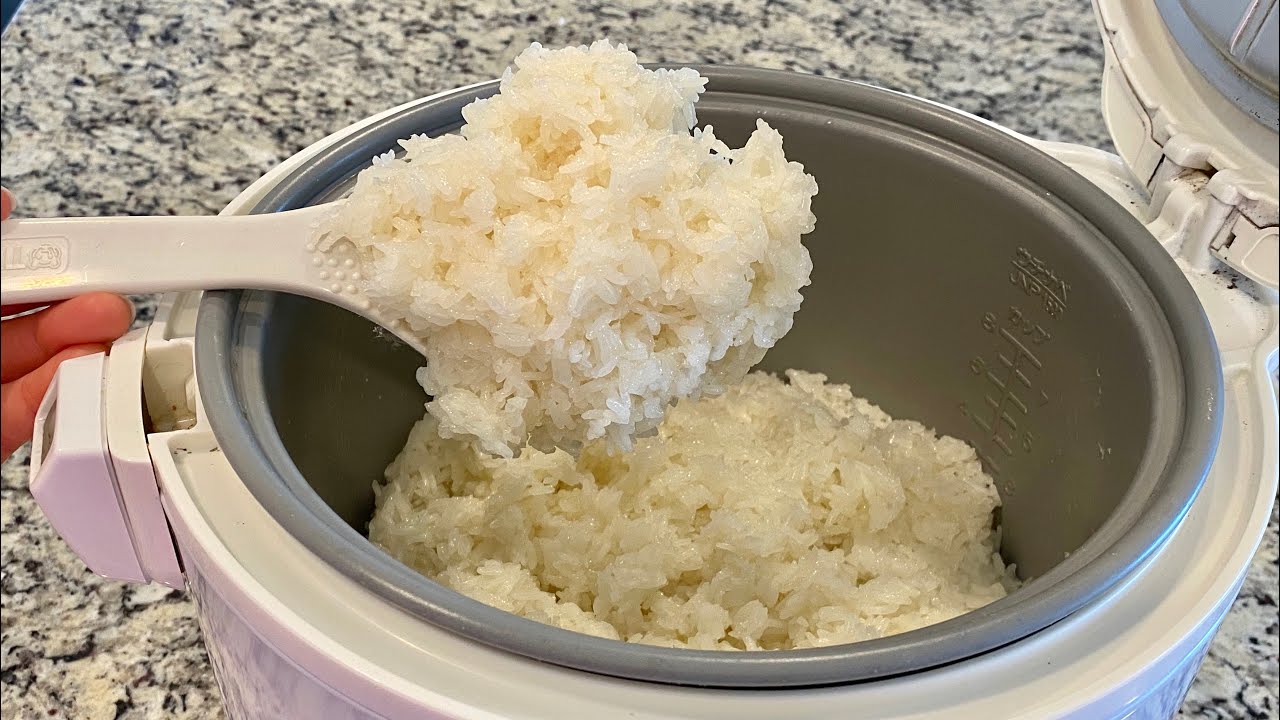
Use a wooden spoon or rice paddle to gently fluff rice. Avoid pressing or mashing the grains.
Keep the lid closed during cooking to trap steam. Steam is important for sticky rice texture.
Serving Sticky Rice
Serving sticky rice is a special experience. This rice has a soft, chewy texture that feels comforting. It pairs well with many dishes and flavors. You can serve it in simple or creative ways. Sticky rice can be the star or a side dish on your table.
Traditional Pairings
Sticky rice is often served with savory dishes. It goes well with grilled meats like chicken or pork. Fish and seafood also match nicely. Many enjoy sticky rice with spicy dipping sauces. In some cultures, it is served with coconut milk or fresh mango. These classic combinations highlight the rice’s natural sweetness.
Creative Serving Ideas
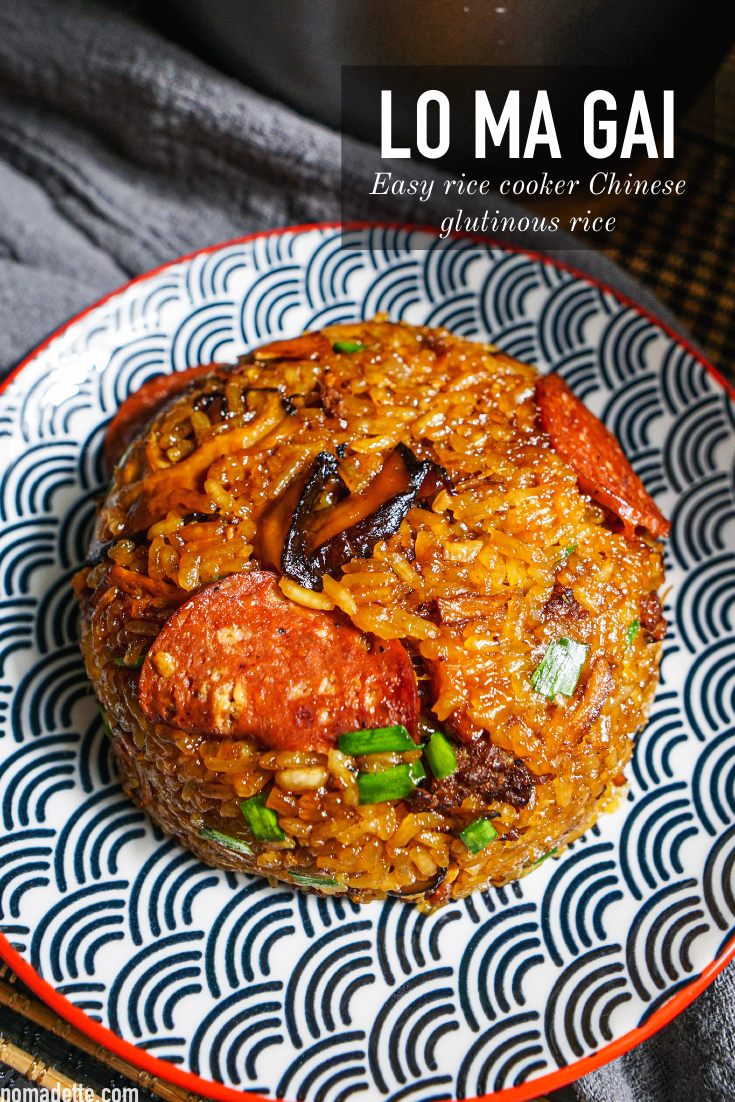
Sticky rice can be more than a side. Try mixing it with vegetables for a colorful salad. Add herbs and lime for fresh flavors. You can also shape sticky rice into small balls or cakes. Serve them with dips or sauces for snacks. Another idea is layering sticky rice with fruit and cream for dessert. This rice invites many fun and tasty experiments.
Credit: nomadette.com
Troubleshooting Common Issues
Sticky rice cookers can be simple to use, but sometimes problems arise. These issues can affect the texture and taste of your sticky rice. Understanding common problems helps you fix them fast. Keep your sticky rice soft and delicious with these easy tips.
Rice Too Sticky Or Hard
Sticky rice should be soft but not mushy. Too much water makes it sticky and clumpy. Use the right water amount for your rice type. Wash the rice well before cooking to remove excess starch. If rice is hard, add a little more water next time. Let the rice rest in the cooker for 10 minutes after cooking. This step helps the rice finish steaming and softens it.
Uneven Cooking
Rice cooks unevenly if the water is not spread evenly. Stir the rice and water gently before cooking starts. Do not open the cooker lid during cooking. This lets steam escape and causes uneven heat. Use the correct setting on your rice cooker for sticky rice. Avoid overfilling the cooker to let steam circulate well. Check your cooker’s manual for best practices.
Credit: www.youtube.com
Frequently Asked Questions
What Type Of Rice Is Best For Sticky Rice Cooker Recipe?
The best rice for sticky rice is glutinous or sweet rice. It has a high starch content, making it sticky and perfect for this recipe. Avoid regular long-grain rice as it won’t achieve the desired texture.
How Much Water Do I Use For Sticky Rice In Rice Cooker?
Use a 1:1 water-to-rice ratio for sticky rice in a rice cooker. This ensures the rice cooks evenly without becoming too soggy or dry. Adjust slightly if your rice cooker has specific instructions.
Can I Add Flavors To Sticky Rice In A Rice Cooker?
Yes, you can add flavors like coconut milk, pandan leaves, or salt. Add these ingredients before cooking to infuse the rice with delicious aromas and taste, enhancing your sticky rice experience.
How Long Does Sticky Rice Take To Cook In Rice Cooker?
Sticky rice usually takes about 20 to 30 minutes to cook in a rice cooker. Cooking time can vary based on your rice cooker model and the amount of rice used.
Conclusion
Sticky rice cooked in a rice cooker tastes soft and sticky every time. This simple recipe saves time and effort in the kitchen. You only need a few ingredients and your rice cooker. Perfect for meals with Asian dishes or as a snack.
Experiment with different toppings or sauces for variety. Enjoy the comfort and texture of homemade sticky rice anytime. Cooking sticky rice has never been this easy or reliable. Try it today and enjoy a delicious, sticky treat.
