



Are you ready to discover a cheese recipe that’s creamy, delicious, and surprisingly simple to make at home? Stracchino cheese is a soft, fresh Italian cheese with a mild flavor that melts in your mouth.
Whether you want to impress your friends, add a unique touch to your meals, or simply enjoy something new, this recipe is perfect for you. Keep reading, and you’ll learn how to create this delightful cheese step-by-step, unlocking flavors that will elevate your cooking and satisfy your taste buds like never before.
Your kitchen is about to become your new favorite place!
Stracchino Cheese Basics
Stracchino cheese is a soft, fresh cheese from Italy. It is simple yet rich in flavor. This cheese works well in many recipes. Understanding its basics helps in cooking and enjoying it fully.
Origin And Characteristics
Stracchino, also called Crescenza, comes from Northern Italy. It is made from cow’s milk. The cheese is usually round and flat. Its rind is thin or almost invisible. Stracchino is a fresh cheese, meaning it is not aged. It stays soft and creamy after production.
Flavor Profile And Texture
Stracchino has a mild, slightly tangy flavor. It tastes fresh and milky. The texture is soft and smooth. It melts easily, making it perfect for cooking. The cheese feels creamy in the mouth. It pairs well with bread and vegetables.
Ingredients Needed
Creating Stracchino cheese requires a few simple ingredients. Each plays a key role in the flavor and texture. Knowing what to use helps make the cheese authentic and delicious.
Below are the main ingredients needed to start your Stracchino cheese journey. Understanding each one ensures better results.
Milk Selection
Choose fresh whole milk for the best taste. Cow’s milk is the traditional choice. Use milk that is not ultra-pasteurized. Fresh milk helps the cheese develop a creamy texture. Raw or pasteurized milk works, but avoid milk with additives.
Starter Cultures And Rennet
Starter cultures add the right bacteria to the milk. They start the fermentation process that gives Stracchino its mild flavor. Use mesophilic cultures for a smooth taste. Rennet is needed to curdle the milk. Liquid or tablet rennet both work fine. Measure carefully to get the right firmness.
Additional Ingredients
Salt is essential for taste and preservation. Add a small amount after curd formation. Some recipes use calcium chloride to improve milk coagulation. Keep it simple to maintain the cheese’s delicate flavor. No extra herbs or spices are needed.
Preparing The Milk
Preparing the milk is the first step in making Stracchino cheese. The quality of milk affects the cheese’s taste and texture. Use fresh whole milk for the best results. The milk must be handled carefully to create the right environment for cheese culture.
Heating And Temperature Control
Heat the milk slowly to avoid burning. Keep the temperature steady around 30°C (86°F). Use a thermometer to check the heat precisely. Stir gently while heating to spread the warmth evenly. Avoid sudden temperature changes to protect the milk’s proteins. Proper heating helps the cheese develop a smooth texture.
Adding Cultures And Rennet
After heating, add the starter cultures to the milk. These good bacteria start the fermentation process. Stir the milk gently to mix the cultures well. Next, add rennet to help the milk curdle. Use the right amount of rennet for a firm curd. Stir gently again, then let the milk rest. This step is crucial for the cheese to set properly.

Credit: theculinarychase.com
Coagulation And Curdling
Coagulation and curdling are key steps in making Stracchino cheese. They change milk into the soft cheese we love. This process starts when an enzyme or acid is added to warm milk. The milk thickens and forms curds. These curds hold the fat and protein that make Stracchino creamy and smooth.
The right timing and care during coagulation affect the cheese’s texture and taste. Careful handling during curdling helps create that tender, fresh flavor Stracchino is known for. Understanding this process is important for good results.
Curd Formation Time
Stracchino curds form quickly, usually in 30 to 40 minutes. Watch the milk closely. The curd should be soft but firm enough to cut. Too early or too late can affect the texture. Ideal temperature helps the curds set well. Keep the milk warm, around 30 to 33°C (86 to 91°F). This warmth helps the enzyme work properly.
Cutting And Resting The Curd
Cut the curd gently with a knife once it sets. Cut into large cubes to keep moisture in. Let the curds rest after cutting for 5 to 10 minutes. This resting time allows whey to separate slowly. Avoid stirring too much; it can break the curds. Proper resting keeps the cheese soft and creamy.
Draining And Molding
Draining and molding are key steps in making Stracchino cheese. They help remove extra liquid and form the cheese into its soft, creamy shape. Proper draining ensures the cheese has the right texture and taste. Molding shapes the cheese so it holds together while it sets.
Using Cheesecloth
Place the curds in a clean cheesecloth. Fold the cloth over the curds to cover them fully. Hang the cheesecloth over a bowl or sink. Let the whey drip out naturally. This usually takes several hours. Avoid squeezing the curds too hard. Gentle draining keeps the cheese soft and creamy.
Shaping The Cheese
After draining, unwrap the cheesecloth carefully. Transfer the curds to a clean surface. Use your hands to form a round or oval shape. Press lightly to keep the cheese together. Avoid pressing too much to keep the texture smooth. Place the shaped cheese in a mold or container. Let it rest at room temperature for a few hours. This helps the cheese keep its shape and develop flavor.

Credit: www.reddit.com
Aging Process
The aging process is key to making Stracchino cheese. It shapes the cheese’s soft texture and mild flavor. This step must be done carefully to get the best results.
Stracchino is a fresh cheese. It does not need long aging like some other cheeses. Still, the right conditions help it develop its creamy taste and smooth feel.
Ideal Conditions
Stracchino ages best in a cool place. The temperature should stay around 10 to 15°C (50 to 59°F). Humidity must be high, about 85% or more. This keeps the cheese moist and soft.
Airflow is important too. It should be gentle and steady. This stops unwanted mold and keeps the cheese fresh. Good hygiene is a must during aging.
Duration For Creaminess
The cheese usually ages for 5 to 10 days. This short time helps the cheese stay soft and creamy. If aged too long, it can become too firm or sour.
Check the cheese daily. Its texture should be smooth and slightly springy. The flavor will be mild and fresh. This is the perfect stage for eating or cooking.
Serving Suggestions
Stracchino cheese has a soft, creamy texture and mild taste. It blends well with many foods. Serving it right brings out its best flavor. Simple ideas can make your dish special. Try these tips to enjoy Stracchino cheese fully.
Pairing Ideas
Stracchino pairs nicely with fresh bread. Rustic bread or baguette slices work well. Add sliced tomatoes and fresh basil for a light snack. It also complements fruits like pears and apples. A drizzle of honey adds a sweet touch.
Use Stracchino in salads to add creaminess. Mix with arugula and walnuts for a fresh crunch. It melts well on pizzas and flatbreads. Spread it on a warm crust before baking. The cheese softens and becomes rich and gooey.
Storage Tips
Keep Stracchino in the fridge to stay fresh. Wrap it in wax paper or plastic wrap. Store in an airtight container to avoid drying out. Use within a week for best taste. Avoid freezing as it changes texture and flavor.
Bring cheese to room temperature before serving. Take it out 30 minutes before eating. This step enhances the creamy texture and flavor. Proper storage keeps your cheese delicious and ready to enjoy.
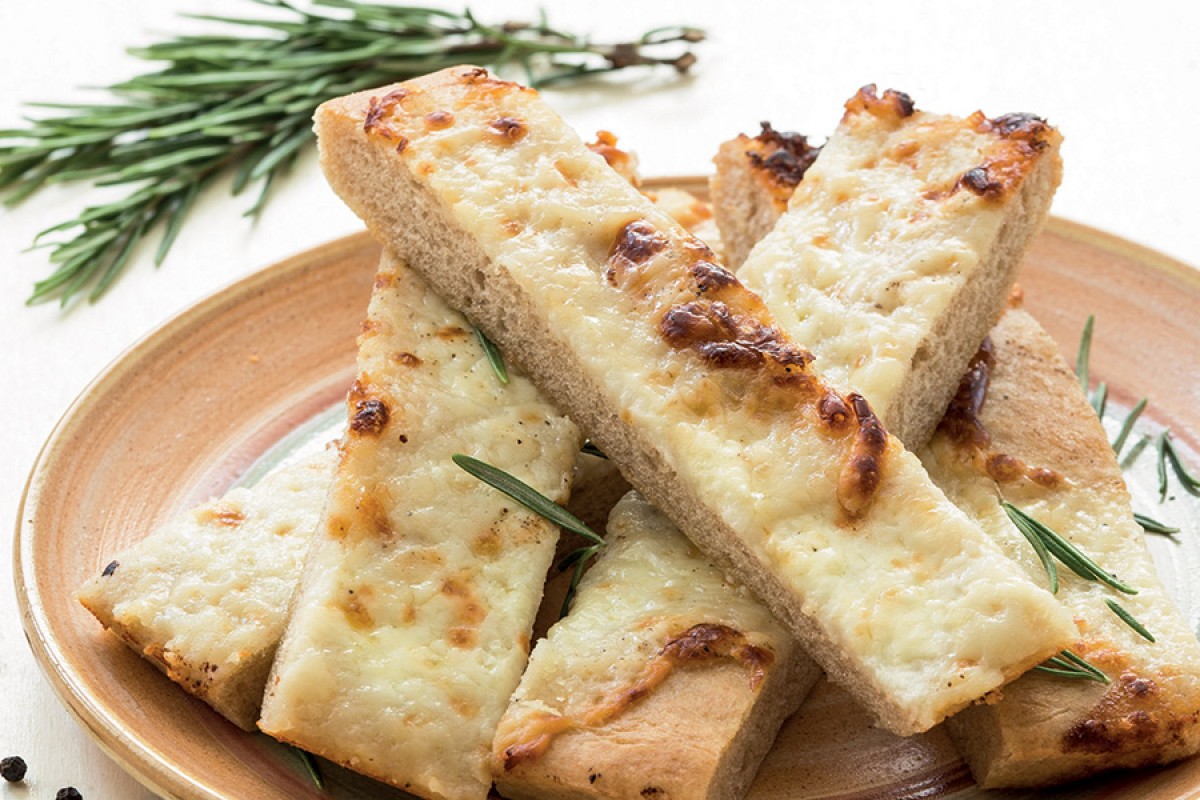
Credit: www.lacucinaitaliana.com
Troubleshooting Tips
Making Stracchino cheese at home can be tricky. Some problems may arise during the process. This section helps you solve common problems. Follow these tips to get soft, creamy cheese every time.
Common Issues And Fixes
Curds not forming? Check milk temperature. It should be warm, not hot.
Cheese too dry? Add less salt or shorten draining time.
Cheese too soft? Let it drain longer to remove extra whey.
Unpleasant taste? Use fresh, high-quality milk and clean tools well.
Maintaining Consistency
Use the same milk type each time. This helps keep flavor steady.
Measure ingredients carefully. Small changes affect texture and taste.
Keep the environment clean and cool for better results.
Stir gently but evenly. Rough handling breaks curds.
Frequently Asked Questions
What Is Stracchino Cheese Used For In Recipes?
Stracchino cheese is creamy and mild, perfect for spreading on bread. It melts well in pizzas, focaccias, and savory pastries, adding a rich texture and flavor.
How Do You Store Stracchino Cheese Properly?
Keep Stracchino cheese refrigerated in an airtight container. Use it within a week to maintain freshness and flavor. Avoid freezing as it alters texture.
Can Stracchino Cheese Be Substituted In Recipes?
Yes, you can substitute Stracchino with cream cheese or ricotta. These alternatives offer a similar creamy texture and mild taste in most dishes.
How Long Does Homemade Stracchino Cheese Last?
Homemade Stracchino cheese lasts about 5 to 7 days refrigerated. Store it properly in a sealed container to keep it fresh and safe to eat.
Conclusion
Stracchino cheese brings a soft, creamy taste to many dishes. Making it at home is simple and fun. You can enjoy fresh cheese with bread or salads. This recipe helps you create a fresh, tasty treat. Try it and add a new flavor to your meals.
Cooking with stracchino cheese adds joy to your kitchen time. Give it a go and enjoy the delicious results.
