


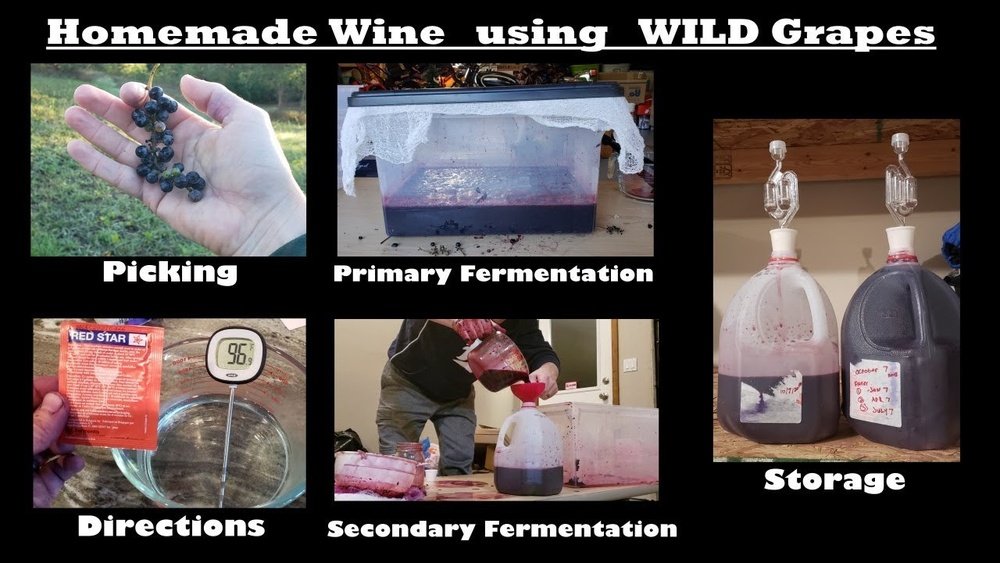
Have you ever tasted wild grape wine and wondered how to make it yourself? Imagine turning those juicy, flavorful wild grapes into a homemade wine that you can enjoy anytime.
Making wild grape wine is easier than you think, and it’s a fun way to create something unique with your own hands. You’ll discover a simple, step-by-step recipe that anyone can follow. Get ready to impress your friends and family with your own delicious wild grape wine!
Gathering Wild Grapes
Gathering wild grapes is the first step in making delicious homemade wine. It is important to find the right grapes to get the best flavor. Wild grapes grow in many places, but not all are good for wine. Careful gathering ensures your wine will taste fresh and natural.
Learning how to identify, harvest, and pick grapes properly helps you enjoy the process. It also protects the plants and the environment around them. Let’s explore how to gather wild grapes with care and skill.
Identifying Edible Grapes
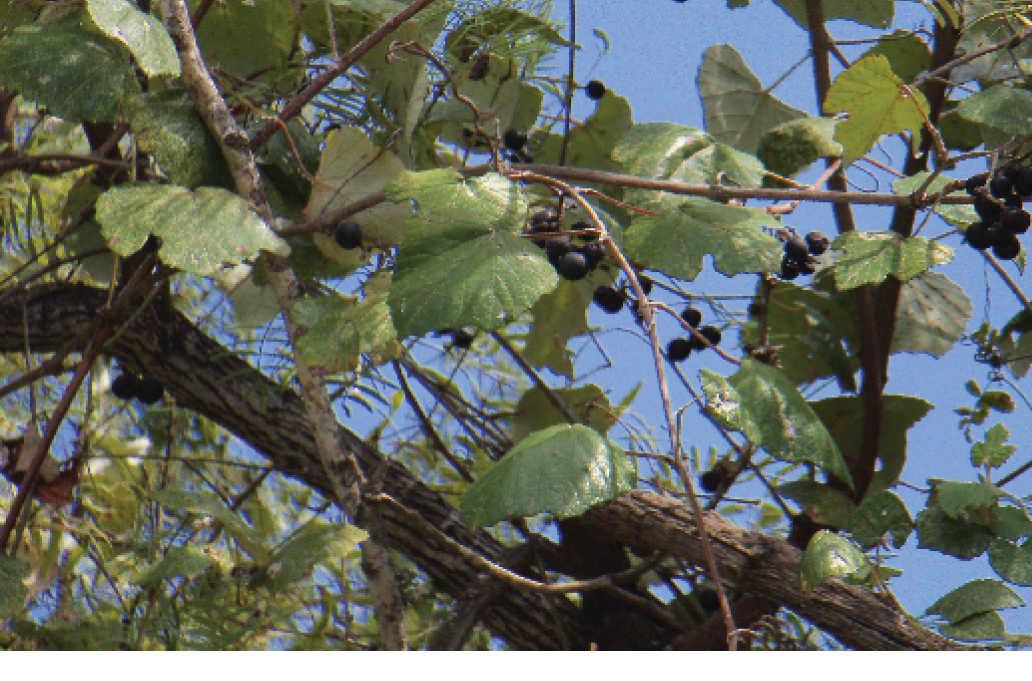
Look for small, round grapes growing in clusters. They are usually dark purple or blue. The leaves have a rough texture and are shaped like a hand. Avoid grapes that are too sour or bitter. Some wild grapes may look similar but are not edible. Smell the grapes; they should have a sweet scent.
Best Time To Harvest
Harvest grapes in late summer or early fall. This is when they are ripe and full of sugar. The grapes should feel soft but not mushy. Color changes from green to deep purple or blue. Taste a few grapes; they should be sweet. Morning or late afternoon is the best time to pick grapes to avoid heat.
Tips For Picking Grapes
Use sharp scissors or pruning shears to cut grape clusters. Handle the grapes gently to avoid crushing them. Pick only healthy grapes and leave damaged ones. Wear gloves to protect your hands from thorns or insects. Collect grapes in a shallow basket to keep them fresh. Check the area for wildlife and plants before starting.
Preparing Grapes For Winemaking
Preparing grapes is the first step in making wild grape wine. This stage affects the wine’s taste and quality. Careful preparation helps release the best flavors from the grapes. It also ensures a clean fermentation process. Follow these key steps to prepare your wild grapes for winemaking.
Cleaning And Sorting
Start by rinsing the grapes under cold water. This removes dirt, dust, and bugs. Sort through the grapes and pick out any damaged or rotten ones. Only healthy grapes should go into the batch. Clean grapes lead to cleaner, better-tasting wine.
Crushing Techniques
Crushing breaks the grape skin to release juice. Use your hands or a clean crusher tool for this. Be gentle to avoid crushing seeds, which can add bitterness. Crushing just enough to burst grapes is best. This step helps start fermentation effectively.
Removing Stems And Seeds
Stems can add unwanted flavors to wine. Remove them by hand or with a stemmer tool. Seeds contain bitter oils, so try to keep them out of the juice. Removing stems and seeds improves the smoothness of your wine. Clean juice means better fermentation and taste.
Ingredients And Equipment
Preparing wild grape wine requires the right ingredients and tools. These elements ensure the wine turns out flavorful and safe to drink. Getting everything ready before starting makes the process smooth and enjoyable.
Essential Tools
You need a large fermenting container to hold the grapes and juice. A strainer or cheesecloth helps separate skins and seeds from the liquid. A hydrometer measures sugar levels for perfect fermentation. Also, glass bottles are necessary for storing the finished wine. Don’t forget a siphon tube for transferring the wine without disturbing sediment.
Additional Ingredients
Wild grapes are the main ingredient. You also need sugar to boost fermentation. Wine yeast helps turn sugar into alcohol. Some recipes call for lemon juice to balance acidity. Adding water may be necessary if grapes are very sweet or dry. Each ingredient affects the taste and quality of your wine.
Sanitizing Equipment
Cleanliness is key to good wine. Use a food-safe sanitizer to clean all tools and containers. This stops unwanted bacteria and mold from spoiling the wine. Rinse everything well after sanitizing. Proper cleaning keeps your wine fresh and tasty.

Credit: vixencomposites.com
Fermentation Process
The fermentation process is the heart of making wild grape wine. It turns grape juice into wine through natural chemical changes. This process needs care and attention for good wine. Understanding each step helps you get better results every time.
Choosing The Right Yeast
Yeast is a tiny fungus that eats sugar in grape juice. It changes sugar into alcohol and carbon dioxide. Picking the right yeast type affects the taste and smell of your wine. Some yeasts work faster, some slower. Use yeast made for wine for best results.
Primary Fermentation Steps
Start by crushing the wild grapes to release juice. Add the chosen yeast to the juice. Keep the mix in a clean container with air access. The yeast begins working, creating bubbles and foam. This step lasts about one to two weeks. Stir gently daily to help yeast work well.
Monitoring Temperature And Time
Temperature controls yeast activity and wine flavor. Keep fermentation between 65°F and 75°F (18°C to 24°C). Too hot or too cold stops yeast from working. Check the wine every day. After bubbles slow down, fermentation is almost done. Patience is key for smooth, tasty wine.
Racking And Aging
Racking and aging are important steps in making wild grape wine. These processes help improve the wine’s taste and clarity. Racking means moving the wine from one container to another. Aging allows the wine to develop flavors over time.
Proper care during racking and aging leads to better wine quality. It also prevents unwanted flavors and sediment build-up.
Transferring Wine
Use a clean siphon tube to transfer the wine. Avoid stirring up the sediment at the bottom. Move the wine gently into a new container. This keeps the wine clear and free from off-flavors.
Aging Duration
Wild grape wine usually ages for six months to one year. Shorter aging keeps fruit flavors fresh. Longer aging adds smoothness and depth. Taste the wine every few months to check progress.
Storage Conditions
Store the wine in a cool, dark place. Keep the temperature steady between 55°F and 65°F. Avoid light and heat to protect flavor. Use airtight containers to stop air from spoiling the wine.
Bottling And Sealing
Bottling and sealing wild grape wine is a crucial step in winemaking. It protects the wine from air and keeps its flavors fresh. Proper bottling ensures your wine stays tasty for a long time. This stage needs care and the right tools to avoid spoilage.
Selecting Bottles
Choose clean glass bottles designed for wine. Dark bottles help protect wine from light damage. Check bottles for cracks or chips before use. Use bottles with a narrow neck for easier sealing. Sterilize bottles with boiling water or a sanitizer. Let them dry completely to avoid contamination.
Filling Techniques
Use a funnel or wine filler to pour wine into bottles. Fill each bottle leaving about an inch of space at the top. Avoid splashing or spilling to keep the wine clean. Fill slowly to reduce air bubbles inside the bottle. This step helps preserve the wine’s taste and quality.
Corking And Labeling
Use fresh corks that fit tightly in the bottle neck. A corker tool helps push the cork firmly into the bottle. Avoid pushing the cork too hard to prevent breakage. After corking, clean the bottle neck from wine drips. Label each bottle with the wine name and date made. Proper labeling helps track your wine easily.
Troubleshooting Common Issues
Making wild grape wine can be fun and rewarding. Yet, some common problems may appear during the process. Knowing how to spot and fix these issues helps keep your wine tasty and safe to drink. This section guides you through simple ways to handle common challenges.
Preventing Off-flavors
Off-flavors can ruin the taste of your wild grape wine. Clean all tools and containers well before use. Use fresh, ripe grapes to avoid sour or bitter notes. Keep the fermentation temperature steady and cool. Avoid using metal containers that may react with the wine. Store your wine in a dark place to protect its flavor.
Fixing Fermentation Problems
Slow or stuck fermentation is a common issue. Check the yeast health before adding it to the grape juice. Keep the juice at the right temperature, usually between 65°F and 75°F. Stir the fermenting wine gently to help yeast work well. Add a little sugar if fermentation is too slow. Avoid opening the container often to keep air out.
Avoiding Contamination
Contamination can spoil your wine quickly. Always wash your hands and tools before touching anything. Use clean, sanitized bottles for storing your wine. Keep the fermenting wine covered but allow some air to escape. Watch out for mold or strange smells, which signal contamination. If you notice these signs, discard the batch to stay safe.
Credit: winemakermag.com
Tips For Enhancing Flavor
Enhancing the flavor of wild grape wine can make your homemade brew more enjoyable. Simple changes can bring out deeper, richer tastes. Experimenting with different ingredients is a fun way to customize your wine. Try these tips to create a unique and tasty wine.
Adding Spices Or Herbs
Spices and herbs add new layers of flavor to wild grape wine. Cinnamon sticks create warmth and a sweet aroma. Cloves give a spicy and bold note. Fresh herbs like rosemary or thyme add earthiness. Use small amounts to keep the balance right. Add spices during fermentation for best results.
Blending With Other Fruits
Mixing wild grapes with other fruits changes the taste and aroma. Blackberries or raspberries add sweetness and depth. Apples bring a crisp and fresh flavor. Pears add smoothness and subtle sweetness. Blend fruits before fermentation for a balanced flavor. This method creates complexity and makes the wine more interesting.
Sweetening Options
Sweetening adjusts the wine’s taste to your preference. Use natural sweeteners like honey or maple syrup for a gentle sweetness. White sugar or brown sugar work well too. Add sweeteners after fermentation to control sweetness level. Taste your wine first and add slowly. This keeps the flavor from becoming too sweet.

Credit: culturahistorica.org
Frequently Asked Questions
What Are The Best Wild Grapes For Wine Making?
The best wild grapes for wine making are Concord, Niagara, and Muscadine. These varieties have rich flavors and natural sugars essential for fermentation. They produce a balanced, fruity wine with unique aromas. Always pick ripe, healthy grapes for the best results.
How Long Does Wild Grape Wine Fermentation Take?
Wild grape wine fermentation typically takes 1 to 3 weeks. Primary fermentation lasts about 7 to 10 days. Secondary fermentation or aging can take several more weeks for improved flavor. Temperature and yeast strain affect the exact fermentation time.
Can I Use Wild Grapes Without Added Yeast?
Yes, you can ferment wild grapes naturally using wild yeast present on the grape skins. However, fermentation may be slower and less predictable. Adding cultured yeast ensures consistent results and better flavor control.
How Do I Store Homemade Wild Grape Wine?
Store homemade wild grape wine in a cool, dark place with stable temperatures. Use airtight bottles to prevent oxidation. Aging for 3 to 6 months improves flavor. Avoid direct sunlight and temperature fluctuations to maintain quality.
Conclusion
Wild grape wine offers a unique taste from nature’s bounty. Making it at home can bring joy and pride. The recipe is simple and fun to follow. Patience is key as the wine slowly ferments. Share your homemade wine with friends and family.
Enjoy the rich flavors and the fruits of your work. Try this recipe and experience wild grape wine yourself. A natural drink that connects you to the outdoors.
