


Are you ready to discover a unique and delicious twist for your cooking and drinks? Vino Cotto is a traditional Italian treat that can add rich, sweet flavors to your recipes.
Whether you want to drizzle it over desserts, mix it into sauces, or enjoy it as a drink, knowing how to make Vino Cotto yourself will give you a special edge in the kitchen. You’ll find a simple and easy-to-follow Vino Cotto recipe that anyone can try.
Keep reading, and get ready to impress your taste buds and your guests with this amazing homemade delight!
What Is Vino Cotto
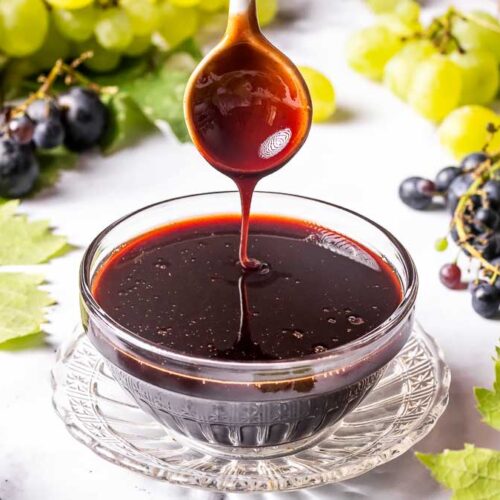
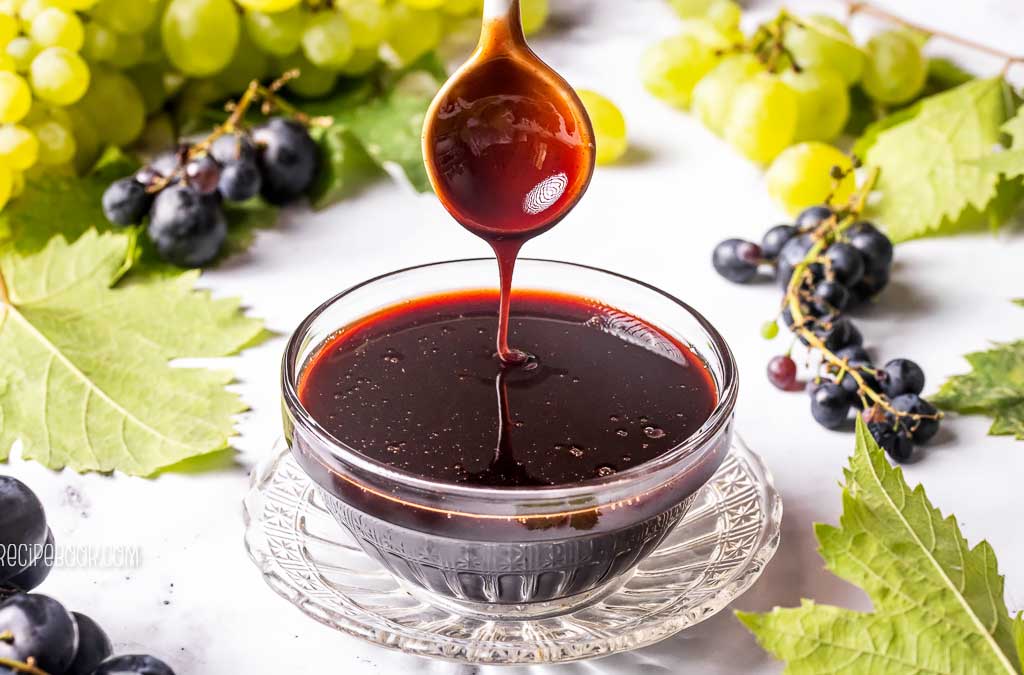
Vino Cotto is a sweet, dark syrup made by slowly cooking grape juice. It is a traditional Italian product with a rich, deep flavor. Often used in desserts, sauces, and drinks, Vino Cotto adds a unique taste to many recipes.
This syrup is not a type of wine, though its name means “cooked wine.” Instead, it is a concentrated grape must that has been gently reduced to a thick, syrupy consistency. Its natural sweetness and fruity notes make it popular in Italian cooking.
Origins And Tradition
Vino Cotto has roots in southern Italy, especially the regions of Apulia and Calabria. It dates back hundreds of years as a homemade product. Families made it using fresh grapes harvested in autumn.
This syrup was a way to preserve grape juice before modern refrigeration. It was often made in large copper pots over open flames. The process required patience and skill to avoid burning the juice.
Traditionally, Vino Cotto was part of festive meals and religious ceremonies. It symbolizes abundance and the harvest season. Today, it continues to be a cherished ingredient in many Italian households.
Key Ingredients
The main ingredient in Vino Cotto is fresh grape juice or grape must. This juice comes from ripe, healthy grapes that are carefully crushed. No added sugars or preservatives are used.
Sometimes, different grape varieties are blended to create unique flavors. The juice slowly cooks over low heat, reducing by half or more. This process concentrates the sugars and flavors naturally found in grapes.
Some recipes include a small amount of herbs or spices to enhance the taste. The final product is thick, rich, and full of natural grape sweetness. It can be stored for months without spoiling.
Credit: www.italianrecipebook.com
Choosing Grapes For Vino Cotto
Choosing the right grapes is key to making good Vino Cotto. The type of grape shapes the flavor and quality of the final product. Each grape variety offers a unique taste and sweetness level. Careful selection can improve the cooking and aging process. Understanding the best grapes and the right time to harvest helps in creating a richer Vino Cotto.
Best Grape Varieties
Traditional Vino Cotto often uses red grapes. Varieties like Sangiovese, Montepulciano, and Aglianico stand out. These grapes have strong flavors and good sugar content. White grapes like Malvasia and Trebbiano also work well. They give a lighter, fruitier taste to Vino Cotto. Choose grapes that are fresh and free from damage. Quality grapes make a noticeable difference in flavor and aroma.
Harvest Timing
Harvesting grapes at the right time is crucial. Grapes should be fully ripe but not overripe. Sugar levels must be high for better sweetness. Picking too early results in sour Vino Cotto. Picking too late can reduce acidity and balance. Weather conditions affect the perfect harvest time. Early morning harvest can preserve freshness and flavor. Proper timing ensures the best juice for cooking and fermenting.
Preparing Grapes
Preparing grapes is the first step in making authentic Vino Cotto. Fresh and healthy grapes give the best flavor. Careful handling of grapes affects the final taste and quality of the drink. Clean and crush them properly to extract pure juice. This process helps in bringing out the natural sweetness and richness of the grapes.
Cleaning And Crushing
Start by rinsing the grapes with cold water. Remove any dirt, stems, or spoiled grapes. Clean grapes ensure no bitterness in your Vino Cotto. After cleaning, crush the grapes gently. Crushing releases the juice without breaking the seeds. Use a clean tool or your hands for crushing. Avoid over crushing to prevent bitterness from seeds.
Extracting Juice
After crushing, strain the grape mixture using a fine cloth or sieve. This separates juice from skins and pulp. Press the grapes to get all the juice out. Fresh juice is the base for your Vino Cotto. Use the juice immediately for the best results. Proper juice extraction keeps the flavor pure and strong.
Cooking Process
The cooking process is the heart of making Vino Cotto. It transforms fresh grape juice into a rich, sweet syrup. Patience and careful heat control are key. Each step changes the juice’s flavor and texture. The process has two main parts: simmering the juice and reducing it to syrup.
Simmering The Juice
Start by pouring fresh grape juice into a large pot. Use low to medium heat to simmer the juice slowly. Avoid boiling fast to keep flavors fresh and bright. Stir the juice occasionally to stop it from sticking. This step breaks down the juice and begins concentrating its natural sugars. Simmering can take several hours. Watch the pot to keep the heat steady and gentle.
Reducing To Syrup
After simmering, the juice thickens and reduces in volume. Continue cooking until it becomes syrupy and dark in color. Stir often to prevent burning. The syrup should coat the back of a spoon. This slow reduction deepens the taste and creates a smooth texture. The final syrup is sweet and rich, perfect for many dishes. Let it cool before storing in bottles or jars.
Cooling And Storing
Cooling and storing Vino Cotto correctly keeps its rich flavor and quality. After cooking, the syrup must cool down naturally. Avoid rushing this step to preserve taste and texture. Proper storage prevents spoilage and extends shelf life.
Proper Containers
Choose clean glass bottles or jars for storing Vino Cotto. Glass keeps the flavor intact and does not react with the syrup. Avoid plastic containers as they can affect the taste. Make sure containers have tight lids to stop air from entering. Store in a cool, dark place away from heat and sunlight.
Shelf Life Tips
Vino Cotto lasts several months when stored well. Keep the container sealed after each use to maintain freshness. Check for any changes in smell or color before using. Refrigerate after opening to extend shelf life further. If mold or off-smell appears, discard the syrup immediately.
Credit: www.italianrecipebook.com
Using Vino Cotto In Recipes
Vino cotto is a sweet, cooked wine syrup from Italy. It has a rich flavor that blends well in many dishes. Using vino cotto in recipes brings a unique taste to both sweet and savory meals.
This ingredient adds depth and sweetness without overpowering other flavors. It can be used in traditional recipes or modern cooking styles. Here are some ways to use vino cotto in your kitchen.
Traditional Dishes
In Italy, vino cotto often appears in classic dishes. It enhances roasted meats, especially pork and lamb. The syrup adds a sweet glaze that balances savory spices.
It also flavors desserts such as cakes and puddings. Drizzling vino cotto over fresh fruit creates a simple, tasty treat. It pairs well with cheese plates and nuts, making it popular in antipasti.
Modern Culinary Uses
Chefs use vino cotto in new and creative ways. It serves as a natural sweetener in salad dressings and marinades. Mixing it with vinegar or olive oil gives a rich, balanced taste.
Vino cotto works well in cocktails and beverages too. It adds a deep, fruity note to drinks. Some cooks use it in sauces for vegetables or seafood, enhancing flavor without extra sugar.
Common Mistakes To Avoid
Making Vino Cotto at home is rewarding but tricky. Many beginners make common mistakes that affect taste and texture. Avoiding these errors leads to a better final product. Below are key mistakes to watch out for during your cooking process.
Overcooking The Grape Juice
Boiling the juice too long makes it bitter and harsh. Keep the heat low and cook slowly. Check the juice often to stop cooking at the right time.
Using The Wrong Grapes
Not all grapes work well for Vino Cotto. Choose ripe, sweet grapes for best flavor. Avoid sour or unripe grapes, as they spoil the taste.
Skipping The Straining Step
Not straining the juice leaves grape skins and seeds in the syrup. This makes it gritty and unpleasant. Always strain thoroughly for a smooth result.
Not Stirring Regularly
Failing to stir causes the juice to burn or stick to the pot. Stir often to keep the juice moving and cook evenly.
Storing Without Proper Containers
Using open or non-airtight containers leads to spoilage. Store Vino Cotto in clean, sealed bottles. Keep it in a cool, dark place for longer freshness.
Health Benefits Of Vino Cotto
Vino Cotto is more than just a tasty syrup. It offers several health benefits that make it a valuable addition to your diet.
Made by slowly cooking grape juice, Vino Cotto retains natural nutrients. These nutrients support overall wellness and provide a natural energy boost.
Rich In Antioxidants
Vino Cotto contains antioxidants that help protect cells from damage. These antioxidants reduce the effects of harmful free radicals. Consuming antioxidants supports heart health and boosts the immune system.
Good Source Of Minerals
This syrup is rich in minerals like iron, calcium, and potassium. These minerals help maintain strong bones and improve blood circulation. They also support muscle function and energy levels.
Supports Digestive Health
Vino Cotto has natural compounds that aid digestion. It helps improve gut health and reduces bloating. Using it can promote a healthy digestive system.
Natural Energy Booster
The natural sugars in Vino Cotto provide quick energy. It is a better choice than processed sugars. This makes it ideal for a healthy energy lift during the day.

Credit: alternativechefkitchen.com
Frequently Asked Questions
What Is Vino Cotto And How Is It Made?
Vino Cotto is a traditional Italian cooked wine made by slowly reducing grape must. It is thick, sweet, and rich in flavor, often used as a syrup or condiment.
Can I Use Vino Cotto In Cooking Recipes?
Yes, Vino Cotto enhances many dishes. It adds depth to sauces, desserts, and marinades with its sweet and tangy taste.
How Long Does Vino Cotto Last After Opening?
Once opened, Vino Cotto can last up to six months if stored in a cool, dark place and tightly sealed.
Is Vino Cotto Alcoholic Or Non-alcoholic?
Vino Cotto contains a low alcohol content because it’s made from cooked grape must. It’s less alcoholic than regular wine.
Conclusion
Vino Cotto brings a rich, sweet flavor to many dishes. This recipe is simple and uses few ingredients. You can enjoy it as a sauce or drink. Making Vino Cotto at home saves money and adds freshness. Try it with desserts or main meals for a new taste.
Cooking this way connects you with tradition and culture. Give it a try and enjoy a special, homemade touch.
