


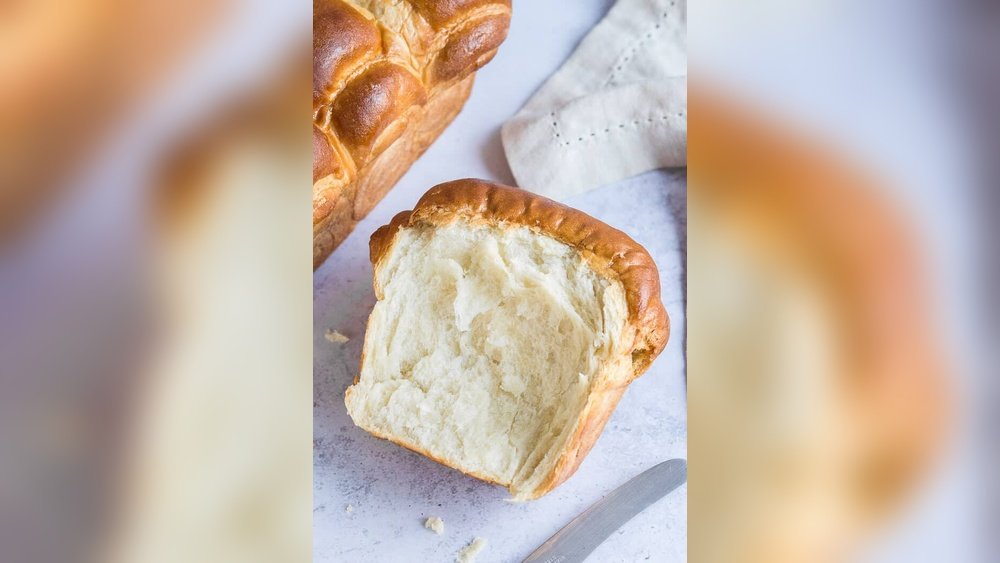
Are you craving soft, fluffy bread that’s completely plant-based? This vegan milk bread recipe is exactly what you need.
Imagine biting into a warm slice that melts in your mouth, perfect for sandwiches or just with a bit of jam. You don’t have to miss out on that rich, tender texture just because you avoid dairy. Keep reading, and you’ll discover how simple it is to make this delicious bread at home with everyday ingredients.
Your kitchen is about to smell amazing, and your taste buds will thank you!
Ingredients For Vegan Milk Bread
Making vegan milk bread starts with choosing the right ingredients. Each component shapes the bread’s texture and flavor. Understanding these basics helps create soft, fluffy bread without eggs or dairy. This section breaks down the essential parts for your recipe.
Plant-based Milk Options
Plant-based milk replaces dairy milk in vegan bread. Soy milk offers a neutral taste and good protein. Almond milk gives a light, nutty flavor. Oat milk adds a mild sweetness and creamy texture. Coconut milk creates a rich, tender crumb. Choose unsweetened versions to control sweetness.
Flour Choices
Flour forms the bread’s structure. All-purpose flour works well for soft, fluffy bread. Bread flour contains more protein and creates a chewier texture. Whole wheat flour adds nutrition but can make bread denser. Mixing flours balances texture and taste. Sift flour to avoid lumps.
Leavening Agents And Sweeteners
Yeast helps the bread rise and become fluffy. Active dry yeast or instant yeast works best. Sugar feeds the yeast and adds gentle sweetness. Maple syrup or agave syrup can also sweeten and nourish yeast. Avoid too much sugar; it can slow yeast activity.
Additional Ingredients
Oil or vegan butter keeps bread moist. Salt enhances flavor and controls yeast growth. Vinegar or lemon juice improves dough softness. Optional ingredients like mashed potatoes or soy yogurt add extra softness. Measure each ingredient carefully for best results.
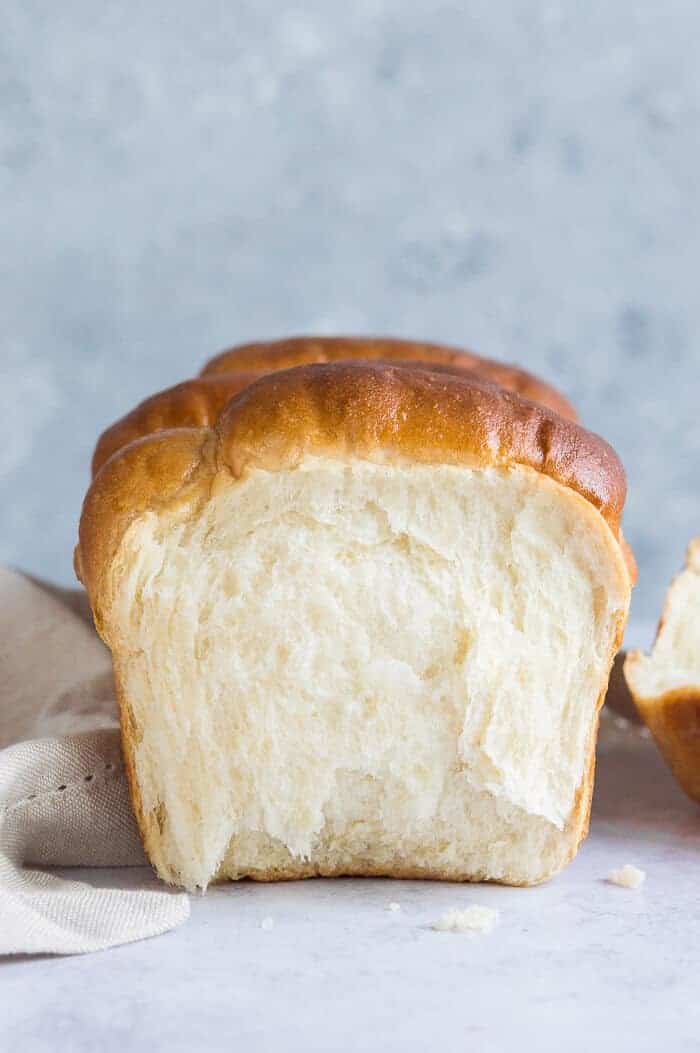
Credit: domesticgothess.com
Step-by-step Preparation
Making vegan milk bread starts with clear, simple steps. Each part of the process builds the soft texture and rich taste. Follow these steps closely for a perfect loaf. Understanding each phase helps you bake with confidence and enjoy fresh bread at home.
Mixing The Dough
Start by combining warm plant-based milk and sugar in a bowl. Stir until sugar dissolves. Sprinkle yeast over the liquid and wait for it to foam, about 5 minutes. In a large bowl, mix flour and salt. Pour in the yeast mixture and soft vegan butter. Use a spoon to blend everything into a rough dough. Avoid adding too much flour; the dough should feel sticky but hold together.
Kneading Techniques
Turn the dough onto a clean surface. Push the dough with the heel of your hand away from you. Fold it back over itself and repeat. Knead for about 10 minutes until the dough becomes smooth and elastic. If the dough sticks, sprinkle a little flour. Do not add too much; keep it soft and stretchy. Proper kneading helps develop gluten for a fluffy texture.
First Rise Process
Place the dough in a lightly greased bowl. Cover it with a clean towel or plastic wrap. Let it rest in a warm spot, away from drafts. The dough should double in size. This usually takes about 1 to 2 hours. The yeast works to make the dough airy and light. Check by gently pressing your finger; the dough should spring back slowly.
Shaping And Proofing
Shaping and proofing are key steps in making vegan milk bread soft and fluffy. This process helps form the dough into the right shape. It also allows the dough to rise and develop texture. Proper shaping gives the bread a nice look. Proofing makes sure the bread is light and airy. Follow these simple steps for the best results.
Dividing The Dough
Start by dividing the dough into equal parts. Use a dough scraper or knife. This helps each piece bake evenly. Smaller pieces rise faster and cook well. Keep the pieces smooth and round. Handle the dough gently to keep air inside.
Shaping Methods
There are different ways to shape milk bread. Roll each dough piece into a tight ball. Or roll it into a log shape. Place the shaped dough into a loaf pan. Make sure the seams are sealed. This keeps the shape during baking. Shaping neatly helps the bread rise up nicely.
Second Rise Timing
After shaping, let the dough rise again. Cover it with a clean cloth or plastic wrap. This prevents the surface from drying out. The second rise usually takes 40 to 60 minutes. The dough should double in size. Do not rush this step. Proper rising makes bread soft and light.

Credit: sarahsvegankitchen.com
Baking Tips
Baking vegan milk bread needs attention to detail. Small changes in temperature or time can change the bread’s texture and taste. Follow these baking tips for a soft, fluffy loaf every time.
Oven Temperature Settings
Set your oven to 350°F (175°C) for best results. Too hot, and the bread crust burns before the inside cooks. Too low, and the bread might stay doughy inside. Always preheat the oven fully before placing the dough inside.
Baking Time
Bake the bread for about 30 to 35 minutes. The time depends on your oven and the size of the loaf. Avoid opening the oven door too often, as it lets heat escape and affects baking.
Checking For Doneness
Tap the bread’s bottom; a hollow sound means it’s done. Use a toothpick or skewer to check inside. It should come out clean without wet dough. Let the bread cool completely before slicing to keep its shape.
Serving Suggestions
Serving vegan milk bread offers many tasty options. This soft, fluffy bread pairs well with sweet and savory dishes. Its gentle flavor makes it a perfect base for many meals and snacks.
Learn how to enjoy vegan milk bread with the best pairings. Keep it fresh with proper storage tips. Warm it up using simple reheating methods. These ideas help you get the most from your bread.
Best Pairings
Spread vegan butter or fruit jam on warm slices. Use it for sandwiches with fresh vegetables or tofu. Serve alongside soups or stews for a soft, comforting touch. Toast it lightly and add avocado or hummus for a quick snack. Sweeten with cinnamon sugar or maple syrup for breakfast.
Storage Tips
Store vegan milk bread in a sealed bag or container. Keep it at room temperature for up to three days. For longer storage, freeze slices in airtight packaging. Avoid storing bread in the fridge; it dries out faster. Thaw frozen slices at room temperature before use.
Reheating Methods
Toast bread slices for a crispy outside and soft inside. Warm whole loaves in the oven at low heat for 10 minutes. Use a microwave for quick warming, but watch to avoid dryness. Wrap bread in foil before oven warming to keep moisture. Reheat only what you need to keep the rest fresh.
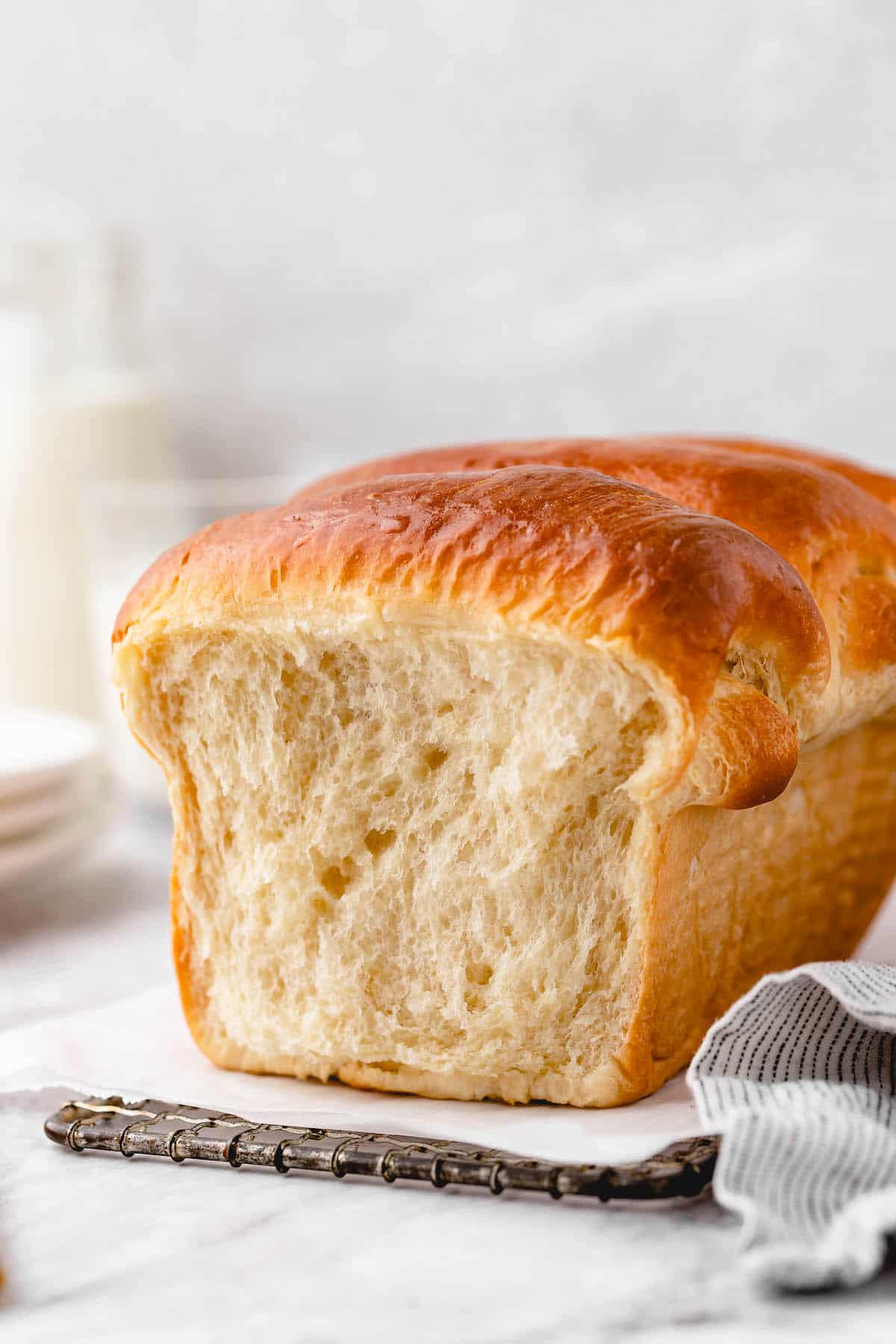
Credit: jessicainthekitchen.com
Troubleshooting Common Issues
Making vegan milk bread can be simple and fun. Sometimes, small problems happen. These problems can stop your bread from turning out soft and fluffy. Knowing how to fix common issues helps you bake better bread each time.
Check your dough and steps carefully. A little change can make a big difference. Here are some common problems and easy ways to solve them.
Dough Too Sticky Or Dry
Dough should feel soft but not stick to your hands. If it sticks too much, add a little flour. Add flour slowly to avoid making it dry. If dough feels dry and cracks, add a small amount of plant milk. Mix well and check the texture again. Proper dough texture helps bread rise well.
Bread Not Rising
Yeast needs warm water or plant milk to work. Too cold or hot liquid can stop it. Keep the liquid around 100°F (38°C). Also, check if the yeast is fresh. Old yeast may not work. Let dough rest in a warm, quiet place. Cover it to keep moisture in. Rising takes time, so be patient.
Dense Or Heavy Texture
Dense bread often means not enough air in the dough. Knead the dough well to add air. Use the right amount of yeast for good rise. Avoid adding too much flour during kneading. Overworking dough can make bread tough. Let dough rise fully before baking. Proper rising makes bread light and soft.
Frequently Asked Questions
What Ingredients Are Used In Vegan Milk Bread?
Vegan milk bread uses plant-based milk, flour, sugar, yeast, salt, and vegan butter. These ingredients replace dairy and eggs.
How Do You Make Vegan Milk Bread Soft?
Softness comes from using warm plant milk, proper kneading, and letting dough rise twice. Avoid overbaking for fluffiness.
Can Vegan Milk Bread Be Frozen?
Yes, vegan milk bread freezes well. Wrap it tightly in plastic wrap and store in an airtight container. Thaw before use.
Is Vegan Milk Bread Healthy?
Vegan milk bread is dairy-free and lower in cholesterol. Nutritional value depends on flour type and sweeteners used.
Conclusion
This vegan milk bread recipe is simple and tasty. It uses easy ingredients you can find anywhere. Soft, fluffy bread ready in your kitchen. Perfect for sandwiches or just a snack. Baking at home saves money and feels good. Everyone can enjoy this bread, no eggs or dairy.
Try it today and enjoy fresh, warm bread. Baking bread has never been so easy and kind. You will love the smell and taste. Give it a go and share with friends.
