


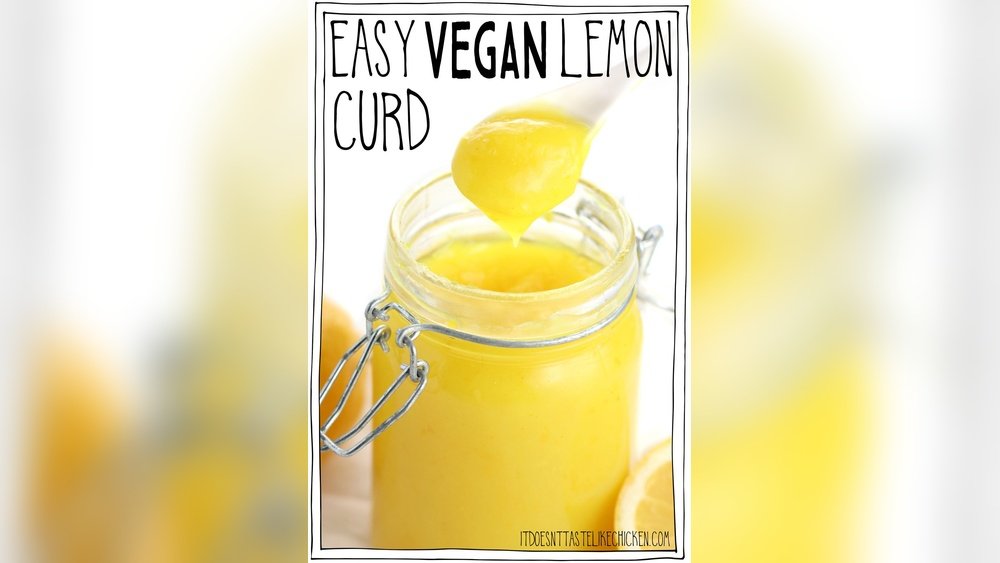
If you love tangy, creamy lemon curd but want a plant-based twist, this Vegan Lemon Curd Recipe is made just for you. Imagine spreading a smooth, zesty curd on your toast or adding it to your favorite desserts—without any dairy or eggs.
You’ll discover how simple it is to make a delicious, fresh lemon curd that fits perfectly into your vegan lifestyle. Keep reading, and you’ll have a bright, homemade treat ready in no time!
Ingredients For Vegan Lemon Curd
Creating vegan lemon curd starts with the right ingredients. Each component plays a role in flavor and texture. Choosing fresh and natural items makes a big difference. This section explores the key ingredients for a creamy, tangy vegan lemon curd.
Citrus Choices
Fresh lemons bring a bright, tart flavor essential for curd. Use organic lemons for the best zest and juice. Some recipes mix lemon with lime for extra zing. Zest adds strong citrus notes without bitterness. Avoid bottled lemon juice; it lacks fresh taste.
Plant-based Milks And Thickeners
Silken tofu creates a smooth, creamy base without dairy. Coconut milk adds richness and a subtle sweetness. Cornstarch or arrowroot powder helps thicken the curd gently. These thickeners keep the curd silky and not grainy. Choose unsweetened milk for better control over sweetness.
Natural Sweeteners
Maple syrup offers a mild, natural sweetness that blends well. Agave nectar is another plant-based option with a neutral flavor. Organic cane sugar works for those preferring granulated sweeteners. Adjust sweetness to taste, balancing tart lemon with mild sugar. Avoid refined sugars to keep the recipe clean and wholesome.
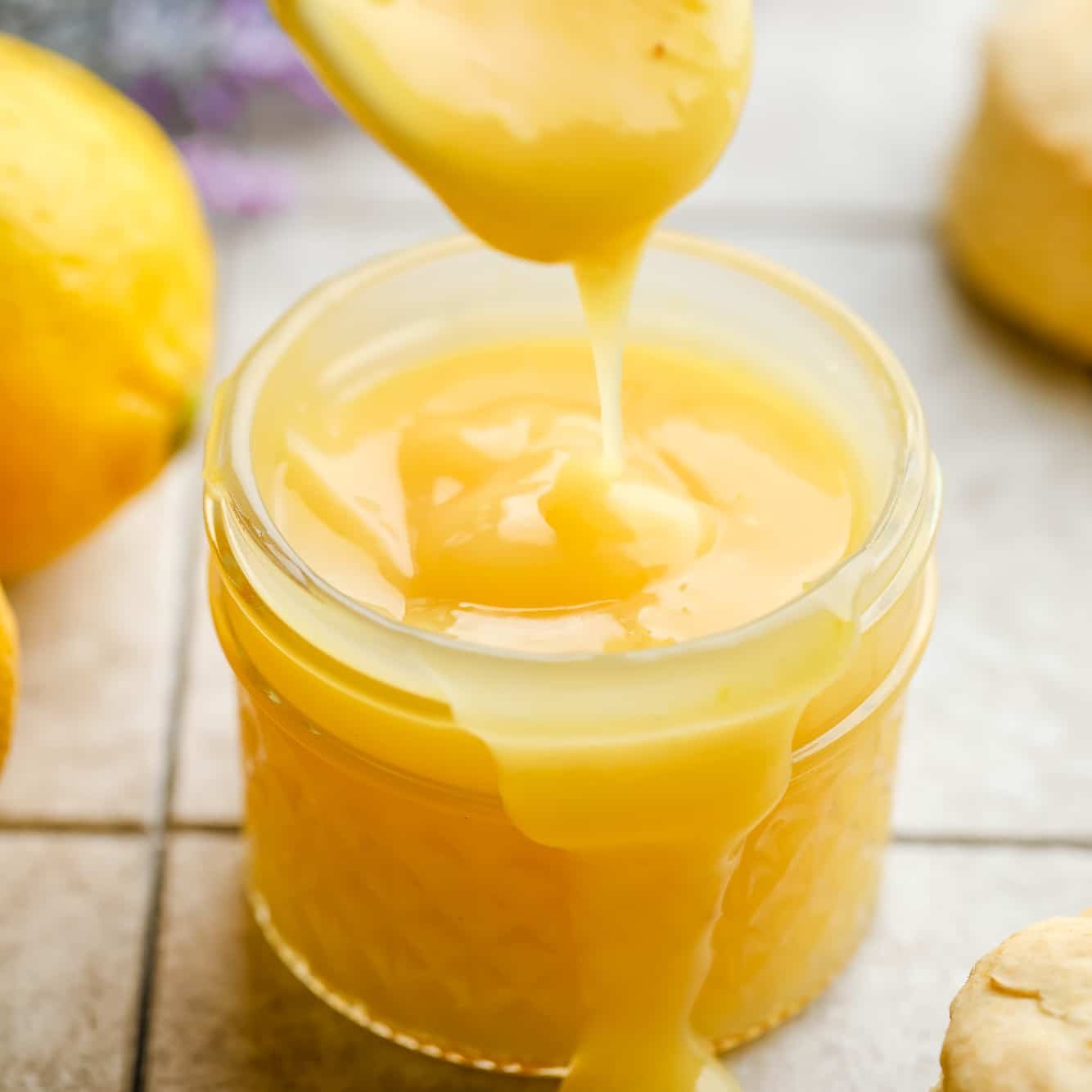
Credit: www.noracooks.com
Step-by-step Preparation
Making vegan lemon curd at home is simple and fun. This step-by-step guide helps you create a smooth, tangy spread perfect for toast or desserts. Follow each part carefully for the best taste and texture.
Mixing The Base
Start by combining lemon juice and lemon zest in a bowl. Use fresh lemons for the best flavor. Add sugar next, stirring it well with the lemon. Then, pour in plant-based milk and a little cornstarch. Mix until the cornstarch dissolves completely. This mixture forms the base of your lemon curd.
Cooking Techniques
Pour the base mixture into a small saucepan. Cook over medium heat, stirring constantly. Use a whisk to prevent lumps from forming. Keep stirring until the mixture thickens and bubbles gently. Avoid boiling to keep the texture smooth. Remove from heat once thickened.
Achieving The Perfect Consistency
The curd should be thick but spreadable. It will firm up more as it cools. If too runny, return to heat and cook a bit longer. Stir continuously to avoid burning. Let it cool before storing in a jar. Chill in the fridge for at least two hours before serving.
Tips For Zesty Flavor
Getting the right zesty flavor in vegan lemon curd makes it truly special. It should be bright, fresh, and balanced. The tartness of lemon and sweetness must work together well. Small tweaks can bring out the best taste. Here are some simple tips to make your lemon curd flavorful and delicious.
Balancing Sweetness And Tartness
Start by tasting your lemon juice before adding sugar. Lemon can be very sour or mildly tart. Adjust sugar little by little. Too much sugar hides lemon’s fresh taste. Too little makes the curd sharp and sour. Aim for a smooth blend where both flavors shine.
Enhancing With Zest
Use lemon zest to boost the lemon flavor. The zest holds natural oils that add brightness. Grate only the yellow part; avoid the white pith. Add zest during cooking for a stronger aroma. Fresh zest creates a lively, fresh taste that juice alone cannot give.
Adding Subtle Flavors
Try small amounts of vanilla or ginger to add depth. Vanilla softens the tartness and adds sweetness. Ginger gives a warm, spicy hint without overpowering. These subtle flavors make the curd complex and interesting. Just a little goes a long way.

Credit: domesticgothess.com
Serving Suggestions
Vegan lemon curd is a bright, tangy treat that fits many dishes. Its smooth texture and fresh taste make it perfect for different uses. Here are some easy ways to enjoy it.
Spreading And Topping Ideas
Spread vegan lemon curd on toast or bagels for a zesty start. Use it as a topping on pancakes and waffles to add a citrus punch. It also works well on muffins and scones. A spoonful on vegan yogurt or oatmeal brings fresh flavor to breakfast. Simple and quick ways to brighten your meals.
Incorporating Into Desserts
Swirl lemon curd into vegan cakes or cupcakes before baking. Use it as a filling for tarts, pies, or layered desserts. Add a dollop to vegan cheesecakes for a tangy twist. It pairs well with coconut or almond-based desserts. A fresh citrus note enhances sweet treats beautifully.
Pairing With Other Foods
Combine lemon curd with fresh berries for a refreshing snack. Serve it alongside vegan ice cream or sorbet for extra zest. Mix into smoothies or fruit salads to lift flavors. Try it with toasted nuts or granola for crunch and tang. Small touches make big flavor differences.
Storage And Shelf Life
Storing vegan lemon curd properly keeps it fresh and tasty. Knowing the right way to store and how long it lasts helps avoid waste. This section explains the best methods for refrigeration, freezing, and spotting spoilage.
Refrigeration Tips
Store vegan lemon curd in a clean, airtight container. Keep it in the fridge to slow down bacteria growth. Use it within 7 to 10 days for best taste and safety. Always use a clean spoon to scoop out curd. Avoid leaving it out at room temperature for long.
Freezing Options
Freezing extends the shelf life of lemon curd up to 3 months. Use a freezer-safe container or jar with some space left for expansion. Thaw it in the fridge overnight before using. Stir well after thawing to restore smooth texture. Do not refreeze after thawing to keep quality.
Signs Of Spoilage
Check lemon curd for changes before use. Look for mold or dark spots on the surface. A sour or off smell means it has gone bad. If texture becomes watery or lumpy, do not eat it. Always trust your senses to avoid eating spoiled curd.
Common Mistakes To Avoid
Making vegan lemon curd can be simple. Yet, some mistakes often spoil the final result. Avoiding these errors helps you get smooth, tasty curd every time. Below are common problems to watch for.
Overcooking Issues
Overcooking lemon curd causes it to become thick and grainy. Heat the mixture gently and stir often. Remove from heat as soon as it thickens. This keeps the curd smooth and creamy.
Texture Problems
Texture matters a lot in lemon curd. Sometimes it turns too runny or too stiff. Use the right amount of thickener like cornstarch or agar powder. Cool the curd completely to help it set well. Stir well to avoid lumps.
Flavor Imbalance
Lemon curd needs a fresh, tangy taste. Too much lemon juice makes it sour and harsh. Too little sugar makes it bland. Taste as you cook and adjust sugar and lemon juice slowly. Balanced flavors make it enjoyable.
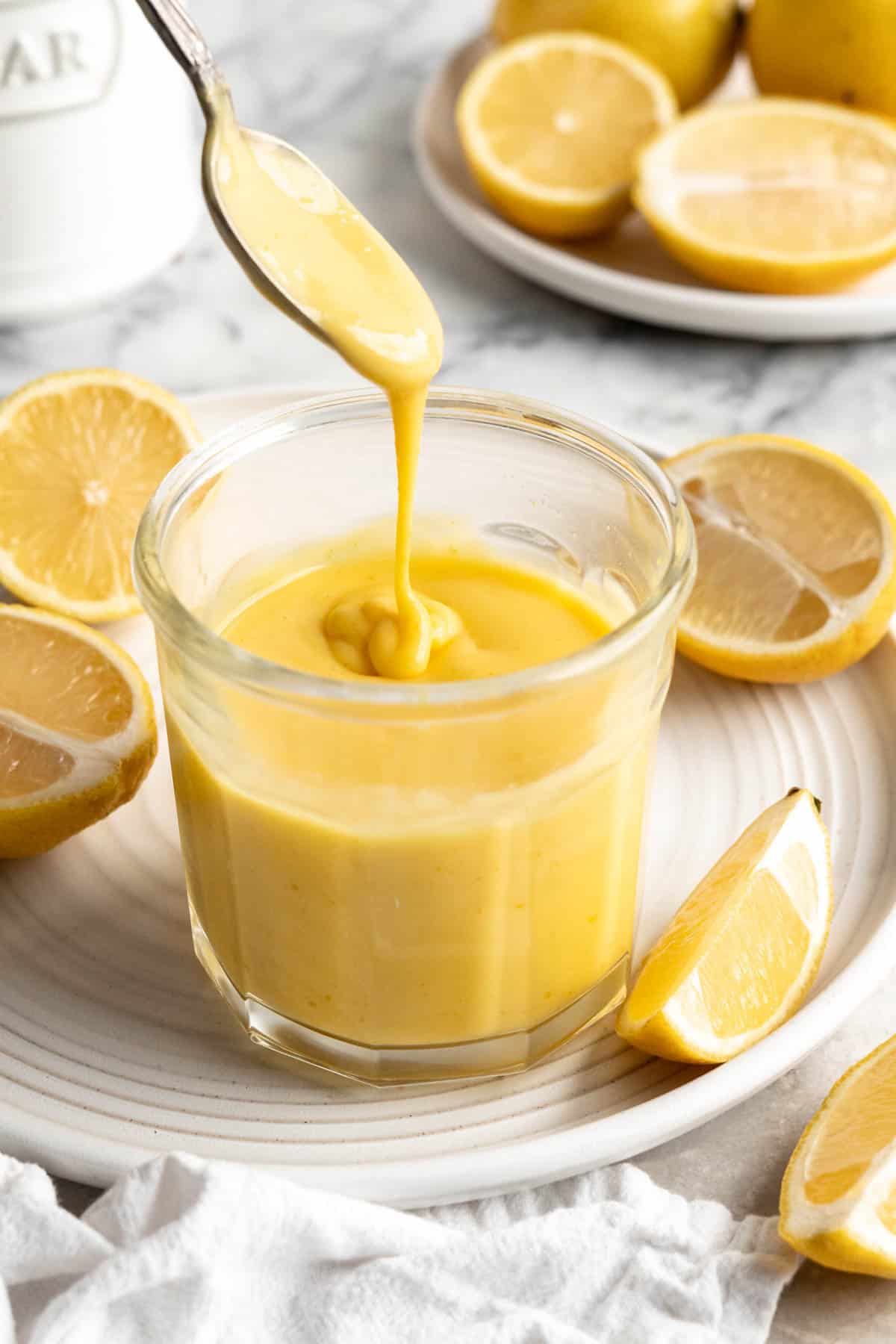
Credit: jessicainthekitchen.com
Frequently Asked Questions
What Ingredients Are Needed For Vegan Lemon Curd?
Vegan lemon curd requires fresh lemons, sugar, plant-based milk, cornstarch, and vegan butter. These ingredients create a creamy, tangy spread without eggs or dairy.
How Long Does Vegan Lemon Curd Last?
Store vegan lemon curd in an airtight container in the fridge for up to two weeks. Always check for freshness before use.
Can Vegan Lemon Curd Be Frozen?
Yes, vegan lemon curd freezes well. Place it in a sealed container and thaw overnight in the fridge before use.
Is Vegan Lemon Curd Suitable For Baking?
Absolutely! Vegan lemon curd works great as a filling or topping in cakes, tarts, and pastries for a dairy-free option.
Conclusion
This vegan lemon curd recipe is simple and tasty. You can enjoy it on toast, cakes, or fruit. It uses easy ingredients that you can find anywhere. Making it at home saves money and adds fresh flavor. Try this recipe to enjoy a sweet, tangy treat.
Cooking vegan can be fun and healthy. Give it a try and share with friends. Enjoy the bright taste and smooth texture today!
