


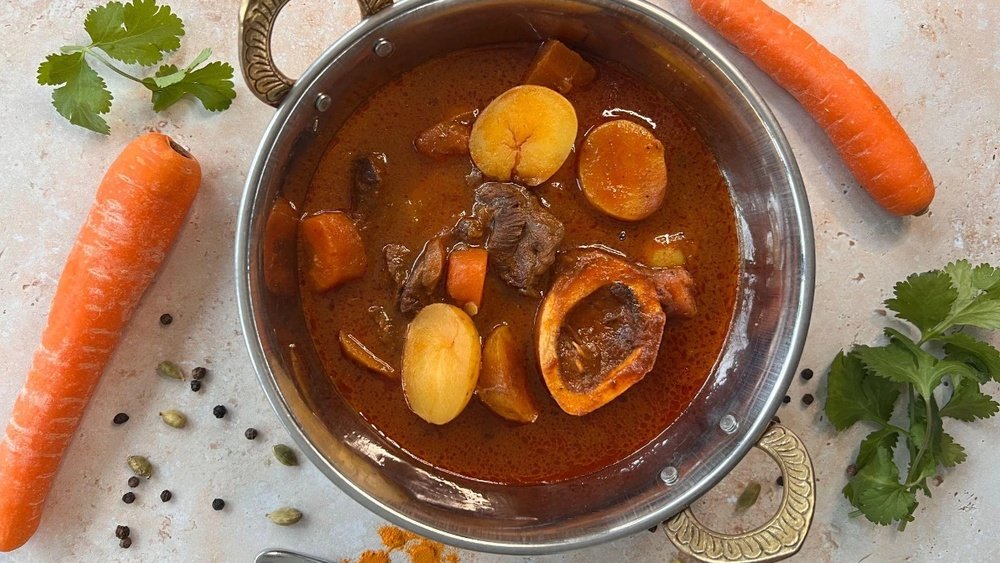
Are you ready to discover a soup that warms your soul and excites your taste buds? Yemenite Soup is more than just a meal—it’s a comforting experience packed with rich flavors and wholesome ingredients.
Whether you’re craving something hearty for a chilly evening or looking to impress your family with a unique dish, this recipe is perfect for you. Keep reading, and you’ll learn how to make this delicious, authentic soup step by step, turning your kitchen into a haven of taste and tradition.
Your new favorite soup is just a few ingredients away!
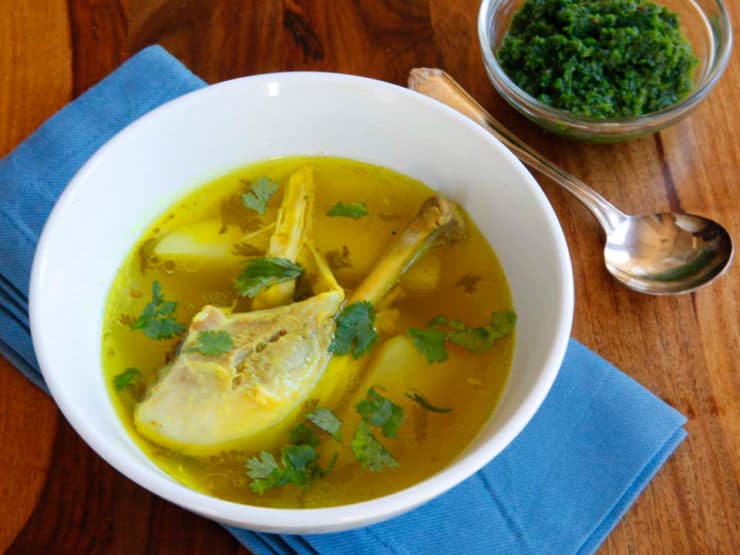
Credit: toriavey.com
History Of Yemenite Soup
Yemenite soup is a traditional dish with deep roots in Yemeni culture. It has been passed down through many generations. The soup reflects the flavors and lifestyle of the Yemen region. It tells a story of the people’s way of life and their connection to the land.
The recipe has stayed true to its origins while adapting slightly over time. This soup is more than just food; it is a symbol of home and family gatherings. It often appears during special occasions and daily meals alike.
Cultural Significance
Yemenite soup holds a special place in Yemeni homes. Families serve it to welcome guests and celebrate events. It brings people together around the table. Sharing the soup means sharing warmth and hospitality. It represents unity and tradition in Yemeni society.
The soup also plays a role in religious and social festivals. Its preparation and serving follow customs that show respect and care. It is a dish that connects past and present generations.
Traditional Ingredients
The soup uses simple, natural ingredients common in Yemen. Lentils, meat, and a mix of spices create its unique flavor. Fresh herbs like cilantro and parsley often add freshness. Onions and garlic provide a rich, savory base.
Spices such as cumin, turmeric, and coriander give the soup its warm taste. These ingredients reflect Yemen’s trade history and local farming. The recipe varies slightly by region but keeps the same core elements.
Key Ingredients
The heart of Yemenite soup lies in its carefully chosen ingredients. Each component adds unique flavor and warmth. Simple, fresh, and aromatic items build the rich taste this soup is known for.
Understanding the key ingredients helps you recreate the authentic taste at home. The balance between spices, herbs, vegetables, and proteins makes this soup special.
Spices And Herbs
Yemenite soup uses bold spices that bring depth and warmth. Common spices include cumin, turmeric, and coriander. These create a fragrant base that fills the kitchen with inviting aromas.
Fresh herbs like cilantro and parsley add brightness. They cut through the spices and add a fresh finish. Garlic and ginger provide a spicy, earthy kick that enhances the flavor.
Vegetables And Proteins
Root vegetables like carrots and potatoes give the soup body and sweetness. Tomatoes add a slight tang and richness. Onions form a savory base, softening as they cook.
Chicken is the typical protein, tender and flavorful after slow simmering. Some versions use lamb or beef for a richer taste. The protein makes the soup hearty and filling.
Preparation Steps
The preparation steps for Yemenite soup are simple but important. Each step adds flavor and texture to the final dish. Follow these steps carefully for the best taste.
Soaking And Cooking Legumes
Start by soaking the legumes overnight. This softens them and shortens cooking time. Drain and rinse the legumes before cooking. Boil them in fresh water until tender. This may take about 45 minutes to an hour. Check often to avoid overcooking.
Blending Spices
Use a mix of traditional Yemenite spices. Combine cumin, coriander, turmeric, and black pepper. Grind them finely for a smooth blend. Mix the spices with garlic and fresh herbs. This mix gives the soup its unique flavor. Prepare the spice blend fresh for the best aroma.
Simmering Process
After legumes are cooked, add the spice blend. Pour in broth or water to cover everything. Simmer the soup on low heat for at least 30 minutes. Stir occasionally to prevent sticking. The slow simmer allows flavors to mix well. Taste and adjust seasoning before serving.
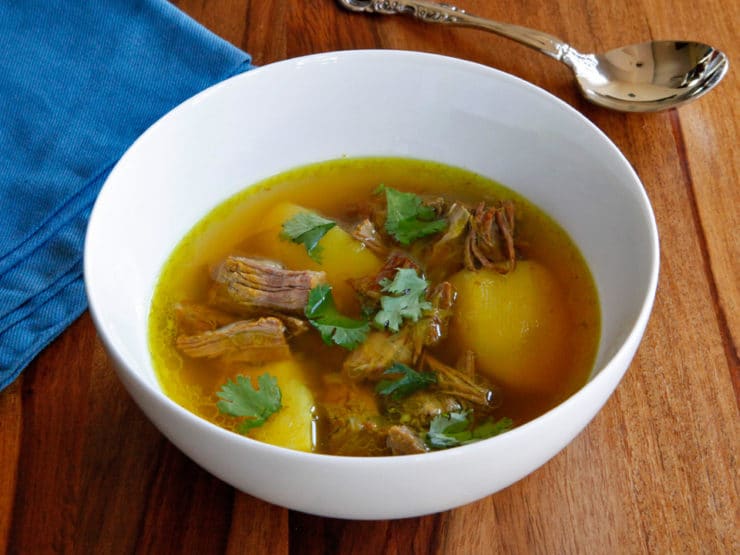
Credit: toriavey.com
Serving Suggestions
Serving Yemenite soup is a delightful experience. It brings warmth and comfort to any table. Simple steps can make your meal more enjoyable and inviting.
Accompaniments
Serve Yemenite soup with fresh bread like challah or pita. These breads soak up the rich, flavorful broth perfectly. Add a side of pickled vegetables for a tangy contrast. A small bowl of olives also pairs well. For extra protein, serve with hard-boiled eggs or grilled chicken. These sides make the meal more filling and balanced.
Presentation Tips
Use deep bowls to keep the soup hot longer. Garnish with fresh herbs like cilantro or parsley. A drizzle of olive oil on top adds shine and flavor. Serve with a small spoon to enjoy every bit of broth and spices. Arrange the soup alongside the accompaniments on a wooden tray. This creates a rustic, inviting look that fits the dish’s roots.
Health Benefits
Yemenite soup offers more than just rich flavors. It brings many health benefits that nourish your body. This traditional dish uses natural ingredients full of vitamins and minerals. Eating it can support overall wellness and boost your energy.
Nutritional Value
This soup contains lentils, vegetables, and spices. Lentils provide protein and fiber, essential for body strength. Vegetables add vitamins A and C, which help the immune system. Spices like turmeric and cumin have antioxidants that fight cell damage. Low in fat and calories, this soup fits well in healthy diets.
Digestive Advantages
The fiber in lentils and vegetables helps digestion. It promotes healthy bowel movements and prevents constipation. Spices such as ginger and garlic can soothe the stomach. They reduce inflammation and improve nutrient absorption. Drinking this soup can calm the digestive tract and support gut health.
Variations And Tips
Yemenite soup recipes vary widely across regions and households. These variations add rich flavors and unique touches to the classic dish. Knowing these differences helps you appreciate the soup better. Small changes can also make the soup suit your taste perfectly.
Regional Differences
Different areas of Yemen use distinct ingredients in their soup. Coastal regions often add seafood or fish for extra flavor. Mountain regions prefer lamb or beef with local spices. Some use more herbs like cilantro or parsley. Others add dried lemons or tamarind for sourness. These regional touches give each soup a special taste.
Adjusting Spice Levels
Yemenite soup is known for its bold spices, but you can control the heat. Start with less chili powder or cayenne pepper. Add more gradually, tasting as you go. Using mild paprika or sweet spices balances the flavor. You can also add yogurt or coconut milk to cool the soup. This makes it friendlier for sensitive palates.

Credit: aish.com
Frequently Asked Questions
What Ingredients Are Used In Yemenite Soup?
Yemenite soup typically includes lamb, potatoes, tomatoes, and a blend of spices like cumin and turmeric. Fresh herbs and chili add authentic flavor. These ingredients create a rich, hearty soup that reflects Yemen’s traditional cuisine.
How Long Does Yemenite Soup Take To Cook?
Yemenite soup usually takes about 1. 5 to 2 hours to cook. This allows the meat to become tender and the flavors to meld perfectly. Slow cooking enhances the soup’s depth and richness.
Is Yemenite Soup Spicy Or Mild?
Yemenite soup is mildly spicy, balanced by aromatic spices and herbs. It’s flavorful without being overwhelmingly hot, making it suitable for most palates. Adjust chili levels to your taste.
Can Yemenite Soup Be Made Vegetarian?
Yes, you can make Yemenite soup vegetarian by using vegetables and legumes instead of meat. Substitute lamb with chickpeas or lentils for protein. This version still offers rich spices and hearty flavors.
Conclusion
Yemenite soup brings warmth and rich flavors to your table. This recipe uses simple ingredients anyone can find. Cooking it at home lets you enjoy a tasty, healthy meal. The spices create a unique taste that many love. Try this soup for a cozy dinner or a special treat.
It’s easy to prepare and fills your home with wonderful smells. Share it with family or friends to spread joy. A bowl of Yemenite soup is comfort in every spoonful.
