


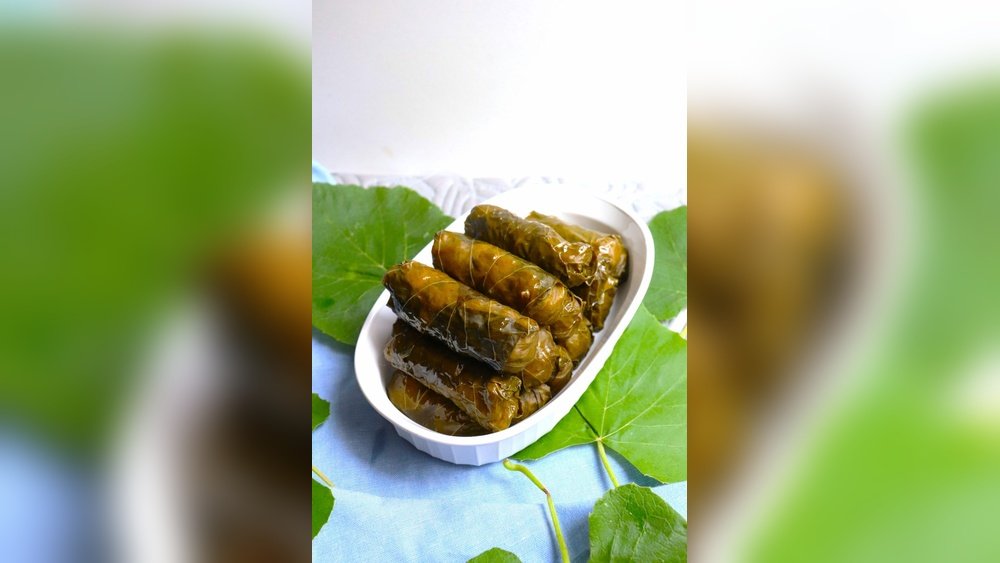
Are you looking for a delicious and healthy dish that’s easy to make and full of flavor? Your search ends here with this vegetarian grape leaves recipe.
Imagine tender grape leaves wrapped around a savory filling, bursting with herbs and spices in every bite. Whether you want a new appetizer for guests or a wholesome meal for yourself, this recipe will surprise you with its simplicity and taste.
Keep reading to discover how you can bring this classic dish to your table with ingredients you already love.
Ingredients Needed
Preparing vegetarian grape leaves starts with simple, fresh ingredients. Each part plays a role in creating a tasty dish. Choosing the right items makes the recipe enjoyable and healthy.
Fresh Grape Leaves
Use fresh or jarred grape leaves. Fresh leaves add a bright taste and soft texture. Rinse them well to remove any salt or dirt. If using jarred leaves, soak to reduce saltiness.
Rice And Grains
Short-grain rice works best for stuffing. It cooks evenly and holds shape well. You can mix in other grains like bulgur or quinoa. These add texture and nutrition.
Herbs And Spices
Fresh herbs give a strong, fresh flavor. Parsley, dill, and mint are common choices. Use mild spices like cinnamon and allspice for warmth. Salt and pepper balance the flavors.
Additional Fillings
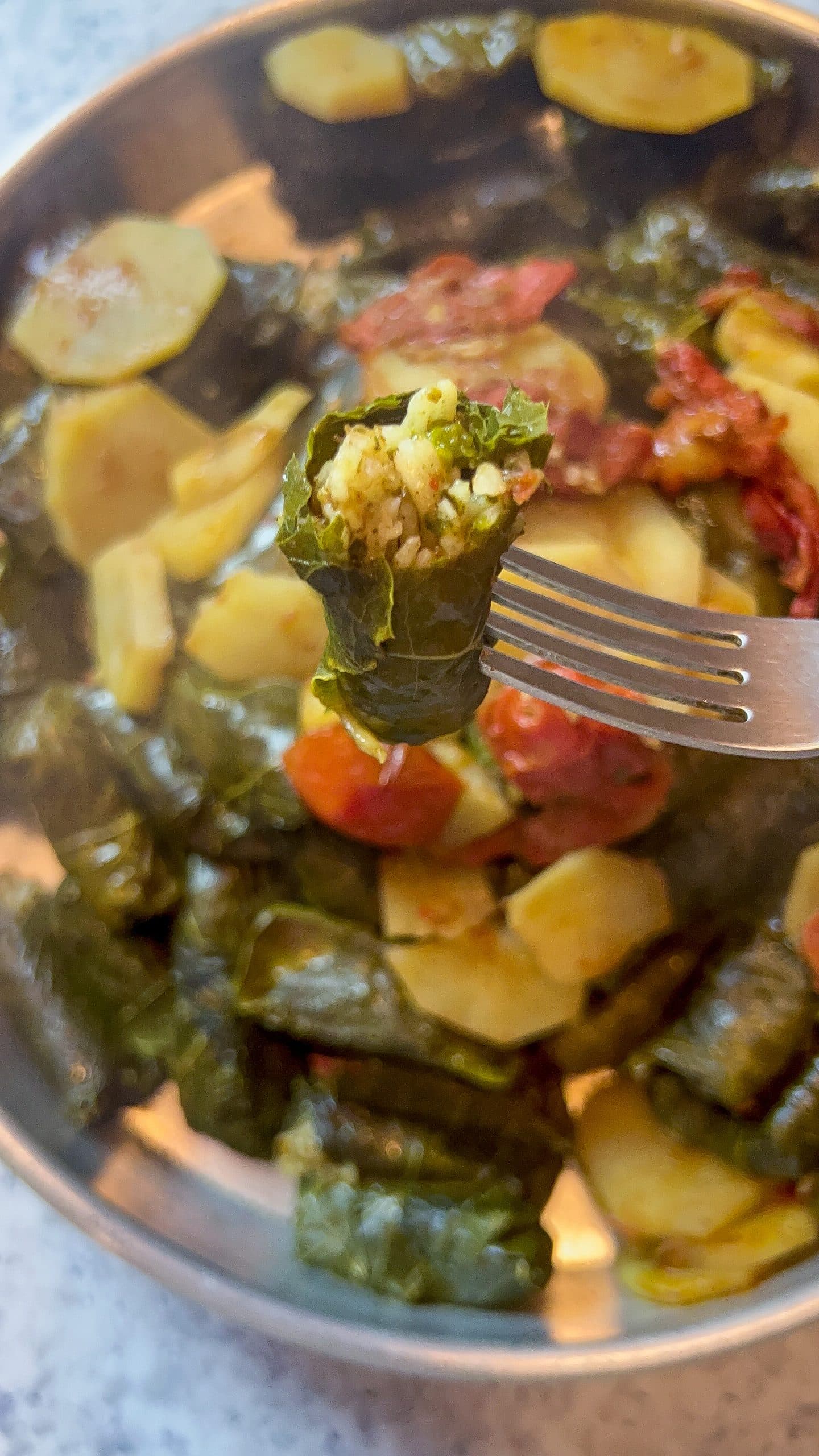
Chopped onions add sweetness and crunch. Pine nuts bring a nutty taste and crunch. Raisins or currants add a touch of sweetness. These fillings make the grape leaves more interesting.
Credit: thebitewithjackie.com
Preparing Grape Leaves
Preparing grape leaves is an important step in making delicious vegetarian grape leaves. Fresh or jarred leaves need proper cleaning and softening before cooking. This ensures they are tender and easy to roll. Taking care during preparation improves the final taste and texture.
Proper handling keeps the leaves whole and prevents tearing. It also helps keep the filling inside while cooking. Simple tips make the process smooth and enjoyable.
Cleaning And Softening
Start with fresh or jarred grape leaves. Rinse them under cold water to remove dirt and salt. Soak fresh leaves in warm water for 30 minutes to soften. For jarred leaves, soak for 10 to 15 minutes to reduce saltiness. Drain well and pat dry with a clean towel. Soft leaves are easier to roll and taste better.
Handling Tips
Work gently to avoid tearing the leaves. Lay each leaf flat with the shiny side down. Trim thick stems carefully with a knife or scissors. Use your fingers to smooth out wrinkles. Roll tightly but without forcing to keep filling inside. Keep a bowl of water nearby to wet your hands. Wet hands prevent sticking and help shape the rolls nicely.
Making The Filling
Making the filling for vegetarian grape leaves is a simple but important step. The filling brings all the flavors together inside the leaves. It must be tasty and well balanced. Using fresh ingredients helps create a delicious mix. Let’s break down the process into easy parts.
Combining Rice And Herbs
Start with short-grain rice. Rinse it well to remove extra starch. This keeps the filling light. Add chopped fresh herbs like parsley, dill, and mint. These herbs add freshness and color. Mix the rice and herbs gently in a bowl. The herbs will mix evenly with the rice. This is the base of the filling.
Adding Flavor Enhancers
Next, add finely chopped onions and garlic for taste. Use olive oil to make the filling moist. A squeeze of fresh lemon juice adds a nice tang. Sprinkle salt and black pepper for seasoning. Sometimes, a pinch of cinnamon or allspice gives warmth. Mix all ingredients thoroughly. The filling should be fragrant and well combined.
Credit: feelgoodfoodie.net
Rolling Techniques
Rolling grape leaves for a vegetarian recipe needs care and practice. The right technique keeps the filling inside and the leaves intact. It makes the dish look neat and tasty. Below are simple steps and common mistakes to help you roll like a pro.
Step-by-step Wrapping
Start by placing one grape leaf flat, vein side up. Put a small spoon of filling near the stem end. Fold the bottom edge over the filling gently. Fold in the left and right sides to cover the filling. Roll the leaf upward tightly but without tearing. Stop when the entire leaf wraps the filling. Place the roll seam side down to keep it closed. Repeat with the rest of the leaves and filling.
Common Mistakes To Avoid
Filling too much causes leaves to tear. Rolling too loosely makes the filling fall out. Not folding the sides leads to open rolls. Using dry leaves can break easily. Avoid skipping the seam-down placement or rolls open. Take your time to roll carefully and steadily. Practice improves your technique and results.
Cooking Methods
Cooking vegetarian grape leaves can be done in several ways. Each method brings out unique flavors and textures. Choose the best fit for your kitchen and time.
Stovetop Simmering
Stovetop simmering is a traditional method. Place grape leaves in a pot with filling and broth. Cover with a plate to keep leaves from floating. Simmer gently for about 45 minutes. This method keeps leaves tender and moist.
Using A Slow Cooker
A slow cooker makes the process hands-free. Layer grape leaves and filling inside the cooker. Add liquid to cover them halfway. Cook on low for 6 to 8 hours. This method develops deep flavors and soft texture.
Oven Baking Option
Oven baking offers a simple way to cook grape leaves. Arrange stuffed leaves in a baking dish. Pour broth or tomato sauce over them. Cover tightly with foil and bake at 350°F for 1 to 1.5 hours. Baking ensures even cooking and a rich taste.
Serving Suggestions
Serving vegetarian grape leaves can be a delightful experience. The way you present them adds to the meal’s charm. Thoughtful serving ideas make the dish more inviting. These tips ensure your grape leaves look as good as they taste.
Plating Ideas
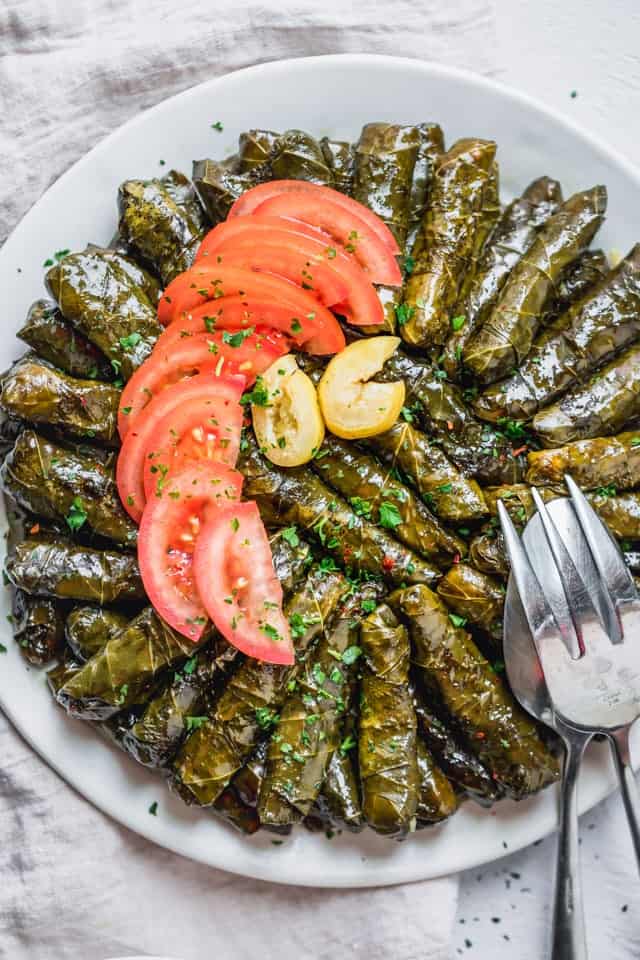
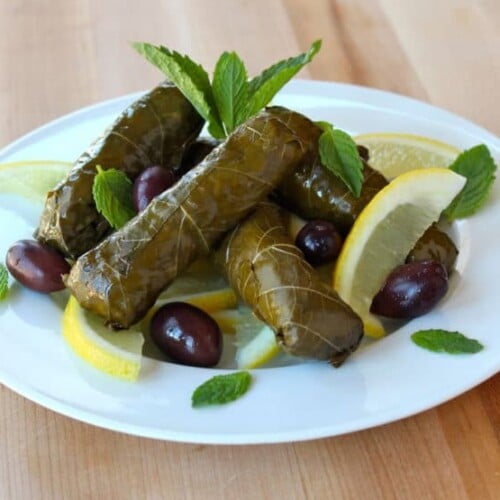
Arrange the grape leaves in a neat circle on a large plate. Use a white or light-colored dish to highlight their green color. Add a slice of lemon on top for a fresh look. Place a few fresh herbs, like parsley or dill, beside the grape leaves. Keep the portions small and tidy. This makes the dish look elegant and easy to eat.
Complementary Dips And Sauces
Serve grape leaves with cool yogurt sauce for a creamy contrast. A simple tzatziki with cucumber and garlic works well. Lemon tahini sauce adds a nutty flavor that pairs nicely. You can also offer a spicy harissa for those who like heat. Small bowls for each dip keep the table organized. These sauces enhance the taste and add variety to the meal.
Tips For Authentic Flavor
Creating vegetarian grape leaves with authentic flavor takes care and the right approach. Small details in ingredient choice and seasoning make a big difference. Follow these tips to bring out the true taste of this traditional dish.
Choosing The Right Ingredients
Fresh grape leaves are the best choice for this recipe. Look for bright green leaves without tears or spots. If fresh leaves are unavailable, use jarred grape leaves. Rinse them well to remove excess salt.
Use good quality rice as the filling base. Short or medium grain rice works best for texture. Fresh herbs like dill, parsley, and mint give a fresh and vibrant taste. Choose organic vegetables and spices for the best flavor.
Seasoning Secrets
Balance is key in seasoning. Use lemon juice for a tangy zing that cuts through the richness. Salt enhances all flavors but use it carefully. Add a small pinch of cinnamon or allspice for warmth and depth.
Garlic is essential for a savory kick. Fresh garlic minced finely blends well with the filling. Olive oil adds richness and smoothness to the dish. Use it generously but not too much to avoid greasiness.
Credit: toriavey.com
Variations To Try
Vegetarian grape leaves are delicious and versatile. You can try many variations to suit your taste. These ideas make the dish exciting and fresh every time. Explore simple changes to the classic recipe for new flavors and textures.
Adding Nuts And Fruits
Try adding chopped nuts like walnuts or pine nuts. They give a nice crunch and rich flavor. Small pieces of dried fruits such as raisins or apricots add sweetness. These ingredients blend well with the savory filling. They create a balance of sweet and nutty tastes.
Spicy Versions
Spices bring warmth and depth to grape leaves. Add crushed red pepper or chili flakes for heat. Ground cumin or paprika adds smoky notes. Fresh herbs like mint or cilantro boost flavor and freshness. Adjust the spice level to suit your comfort.
Vegan And Gluten-free Options
This dish is naturally vegan and gluten-free. Use olive oil or coconut oil instead of butter. Replace rice with quinoa or millet for a gluten-free grain option. Avoid any dairy or animal products in the filling. These swaps keep the dish healthy and allergy-friendly.
Frequently Asked Questions
What Ingredients Are Needed For Vegetarian Grape Leaves?
You need fresh grape leaves, rice, onions, tomatoes, herbs, lemon juice, olive oil, and spices. These ingredients create a flavorful vegetarian filling. They make the dish authentic and delicious.
How Do You Prepare Grape Leaves For Stuffing?
Rinse grape leaves well and blanch them in boiling water for 2 minutes. This softens the leaves and makes them flexible for rolling. Drain and pat dry before stuffing.
Can I Make Vegetarian Grape Leaves Gluten-free?
Yes, use gluten-free rice and check all spices for gluten content. This dish naturally contains no gluten if you avoid wheat products. It’s perfect for gluten-sensitive diets.
How Long Should Vegetarian Grape Leaves Cook?
Simmer stuffed grape leaves gently for 40 to 60 minutes. Cooking time depends on filling and leaf thickness. Slow cooking ensures tender, well-cooked leaves with infused flavors.
Conclusion
Vegetarian grape leaves bring fresh flavors to your table. They offer a healthy and tasty meal option. Preparing them is simple and fun for any cook. Enjoy these leaves as a snack or part of dinner. They suit both quiet nights and festive gatherings well.
Try this recipe soon and share with friends. A delicious way to enjoy plants and herbs together. Give your meals a new twist with this dish.
