


Are you tired of boring spaghetti that lacks flavor? Imagine turning a simple bowl of pasta into a mouthwatering meal with just one easy step.
That’s where a homemade spaghetti seasoning packet comes in. You’ll discover how to create your own blend of herbs and spices that tastes better than store-bought mixes. Best of all, you control exactly what goes into it—no weird additives or extra salt.
Keep reading, and you’ll learn a simple recipe that will change the way you cook spaghetti forever. Your taste buds will thank you!
Benefits Of Homemade Spaghetti Seasoning
Making your own spaghetti seasoning packet brings many benefits. It lets you control what goes into your food. You can skip unwanted additives and preservatives. This choice helps you eat cleaner and feel better.
Homemade seasoning also lets you adjust flavors to your taste. Save money by using spices you already have at home. It is simple, healthy, and budget-friendly.
Healthier Ingredients
Store-bought packets often contain salt, sugar, and chemicals. Homemade seasoning uses fresh herbs and spices. You decide how much salt or spice to add. This keeps your meal natural and healthy.
Customizable Flavors
Make the seasoning mild or spicy. Add garlic, basil, or oregano to suit your preference. Change the mix depending on the dish or mood. Your spaghetti will taste just the way you want.
Cost Savings
Buying individual spices is cheaper in the long run. You avoid paying for packaging and brand names. Homemade seasoning reduces waste and saves money. Use leftovers for many meals to get more value.
Essential Spices And Herbs
Spaghetti seasoning packets hold the secret to rich, tasty pasta dishes. The right spices and herbs bring each meal to life. They add aroma and flavor without extra effort. Using fresh or dried herbs can change the dish’s character. The blend of spices creates a balanced taste that everyone enjoys.
Key Dry Herbs
Basil is a classic herb for spaghetti seasoning. It gives a sweet, slightly peppery flavor. Oregano adds a warm, earthy note that blends well. Thyme offers a subtle, minty taste that enhances the sauce. Parsley provides a fresh, light touch to the mix. These dry herbs combine to give a traditional Italian flavor.
Common Spices
Garlic powder is essential for a deep, savory flavor. Onion powder adds sweetness and depth to the sauce. Red pepper flakes bring a gentle heat to the mix. Black pepper gives a mild spice that balances the sweetness. Paprika adds color and a smoky undertone. These spices build a rich and inviting taste.
Optional Add-ins
Italian seasoning blends several herbs for convenience. Rosemary can add a pine-like aroma for a different twist. Fennel seeds offer a sweet, licorice flavor that some enjoy. Crushed dried tomatoes can boost umami and richness. A pinch of sugar can balance acidity in the tomato sauce. These extras let you customize your seasoning mix.
Step-by-step Mixing Guide
Creating your own spaghetti seasoning packet saves money and tastes fresh. This guide breaks down the process into easy steps. Follow each part carefully for the best flavor. You will learn how to measure, mix, and store your spices. Let’s start making your seasoning blend.
Measuring Ingredients
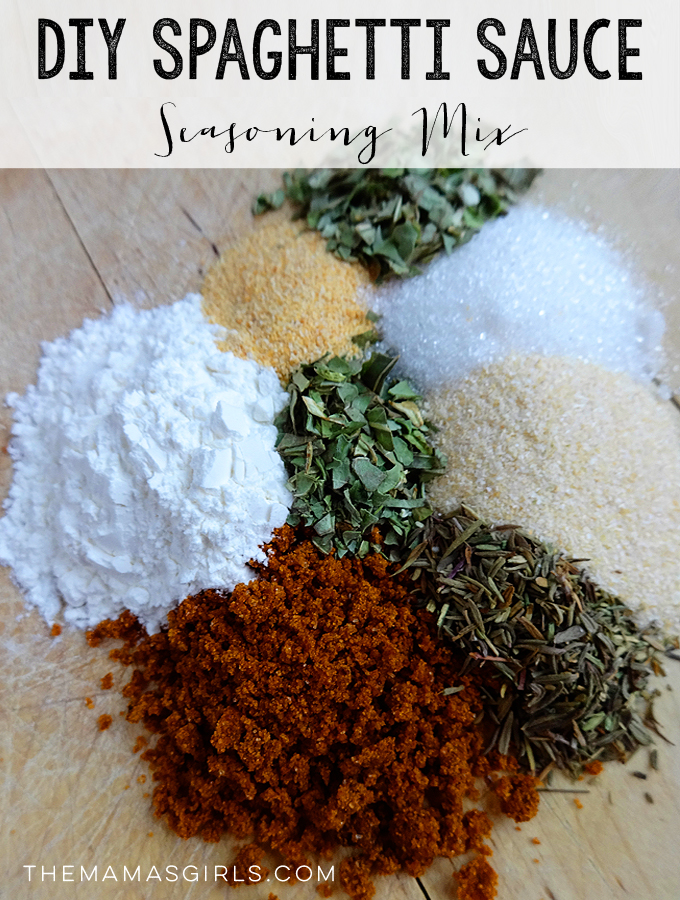
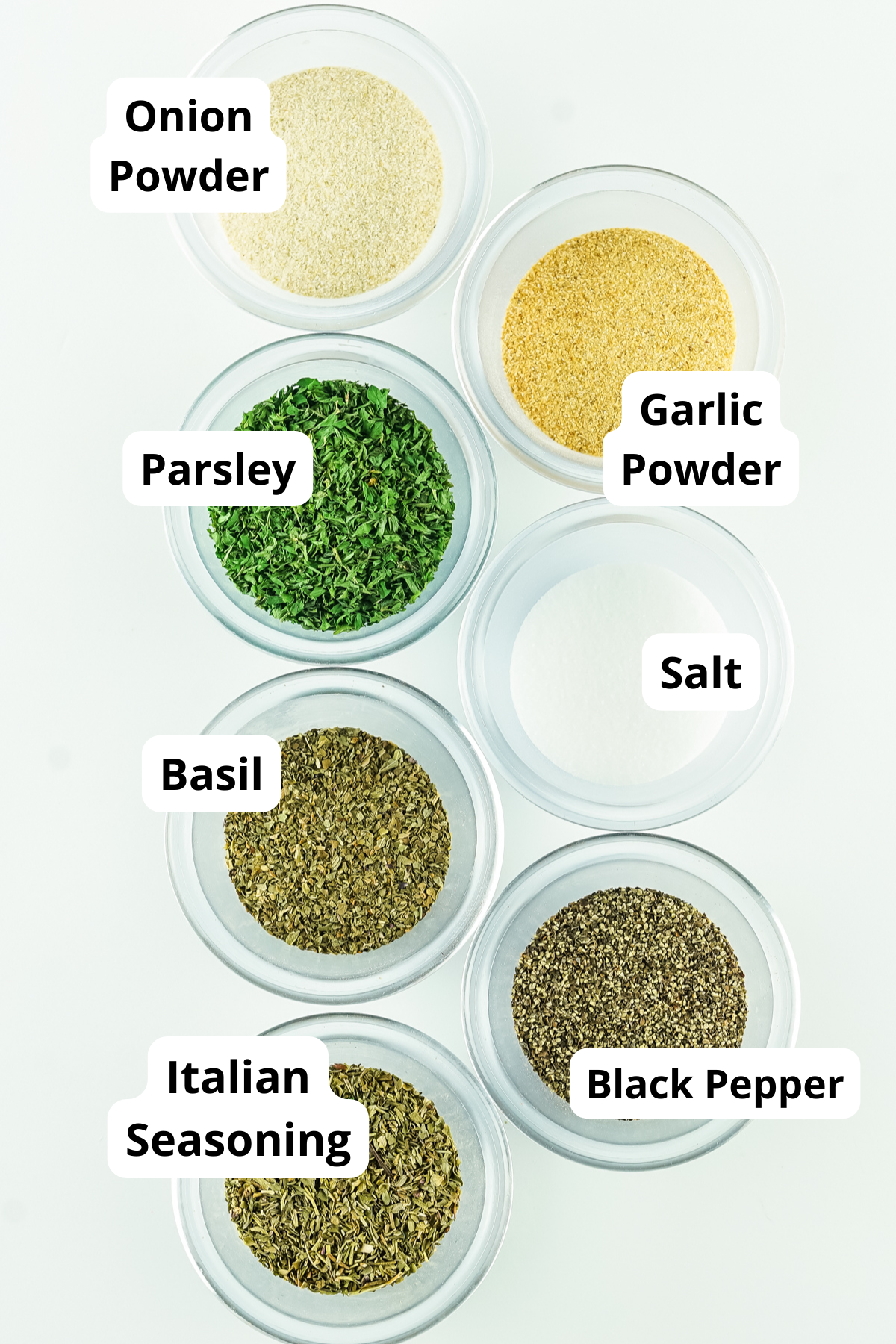
Use small spoons or a kitchen scale to measure each spice. Precision matters for balanced taste. Common spices include garlic powder, onion powder, dried oregano, basil, salt, and black pepper. Measure each spice separately on a clean surface. This keeps your mixture consistent every time.
Combining Spices
Put all measured spices into a clean bowl. Stir slowly with a spoon or whisk. Make sure all spices mix evenly. Avoid clumps for a smooth blend. Mixing well helps spread flavor evenly in your spaghetti sauce.
Storage Tips
Store your seasoning blend in an airtight container. Keep it in a cool, dry place away from sunlight. Label the container with the date and contents. Use within six months for the best taste. Proper storage keeps spices fresh and flavorful longer.
Credit: www.themamasgirls.com
Using Your Seasoning Packet
Using your spaghetti seasoning packet is a simple way to add flavor quickly. It saves time and brings consistent taste to your dishes. You can use it in different parts of your cooking process. This helps you get the best flavor in every bite.
Cooking With Ground Meat
Start by browning your ground meat in a pan. Sprinkle the seasoning packet over the meat while it cooks. Stir well to mix the spices evenly. This step gives the meat a rich, tasty base. It makes your spaghetti sauce more flavorful and hearty.
Adding To Sauces
After cooking the meat, add your favorite tomato sauce. Pour the seasoning packet into the sauce and stir. Let the sauce simmer for a few minutes. This allows the spices to blend perfectly with the sauce. Your spaghetti will have a deep, balanced flavor.
Adjusting For Taste
Seasoning packets can be strong or mild. Taste your sauce before serving. Add a little salt or pepper if needed. If the flavor is too strong, add water or extra sauce. Adjust slowly, tasting as you go. This way, your spaghetti tastes just right every time.
Variations And Flavor Twists
Spaghetti seasoning packets are easy to make at home. Experimenting with different flavors can make meals more exciting. Small changes create big taste differences. Try these variations and flavor twists to customize your spaghetti seasoning.
Spicy Kick
Add red pepper flakes or cayenne powder for heat. A little spice wakes up the dish. Adjust the amount to match your taste. This twist adds warmth without overpowering other flavors.
Italian Herb Blend
Mix dried basil, oregano, and thyme into the packet. These herbs bring a classic Italian taste. They complement tomato sauce perfectly. This blend gives your spaghetti a fresh, aromatic flavor.
Low-sodium Option
Use less salt or replace it with potassium salt. Too much salt can be unhealthy. A low-sodium version keeps flavor but reduces salt intake. Add extra herbs and garlic powder to keep it tasty.
Credit: www.themamasgirls.com
Tips For Freshness And Shelf Life
Keeping your homemade spaghetti seasoning fresh is key for great flavor. Proper care extends its shelf life and keeps spices lively. Simple steps help maintain taste and texture. Here are some tips to store and use your seasoning packet well.
Proper Storage Containers
Use airtight containers to keep moisture out. Glass jars or plastic containers with tight lids work best. Avoid using bags that can tear or let air in. Store containers in a cool, dark place. Heat and light reduce spice freshness quickly.
Avoiding Clumping
Clumps form when spices meet moisture. Add a small piece of dry rice or a silica gel packet to absorb moisture. Stir the seasoning before use to break clumps. Make sure spoons are dry before scooping spices.
When To Replace
Spices lose flavor over time. Replace your seasoning packet every 6 to 12 months. Check for changes in smell and color. If the aroma fades or powder looks dull, it’s time for fresh spices. Using old seasoning weakens your dish’s flavor.
Credit: remakemyplate.com
Frequently Asked Questions
What Ingredients Are In A Spaghetti Seasoning Packet?
A spaghetti seasoning packet typically includes garlic powder, onion powder, dried basil, oregano, salt, and black pepper. Some recipes add red pepper flakes or sugar for extra flavor. These spices blend well to enhance the taste of homemade spaghetti sauce.
How Can I Make Spaghetti Seasoning At Home?
To make spaghetti seasoning at home, mix garlic powder, onion powder, dried basil, oregano, salt, and pepper. Adjust quantities to taste. Store the blend in an airtight container. This DIY mix is fresh, customizable, and free from preservatives found in store-bought packets.
Can I Use Spaghetti Seasoning For Other Dishes?
Yes, spaghetti seasoning works well in meatballs, marinades, and roasted vegetables. It adds Italian-inspired flavor to soups and sauces. This versatile mix enhances various recipes beyond just spaghetti, making it a handy addition to your spice collection.
Is Spaghetti Seasoning Packet Gluten-free?
Most spaghetti seasoning packets are gluten-free as they contain only herbs and spices. However, always check the packaging for any added fillers or anti-caking agents that may contain gluten. Homemade seasoning blends are a safe gluten-free alternative.
Conclusion
This spaghetti seasoning packet recipe makes cooking simple and tasty. You control the flavors and avoid extra additives. Try it next time for a fresh, homemade touch. Cooking pasta sauce becomes quick and fun with this easy mix. Save money and enjoy a meal that suits your taste.
Everyone can make it with just a few spices. Give your spaghetti a new flavor boost today.
