


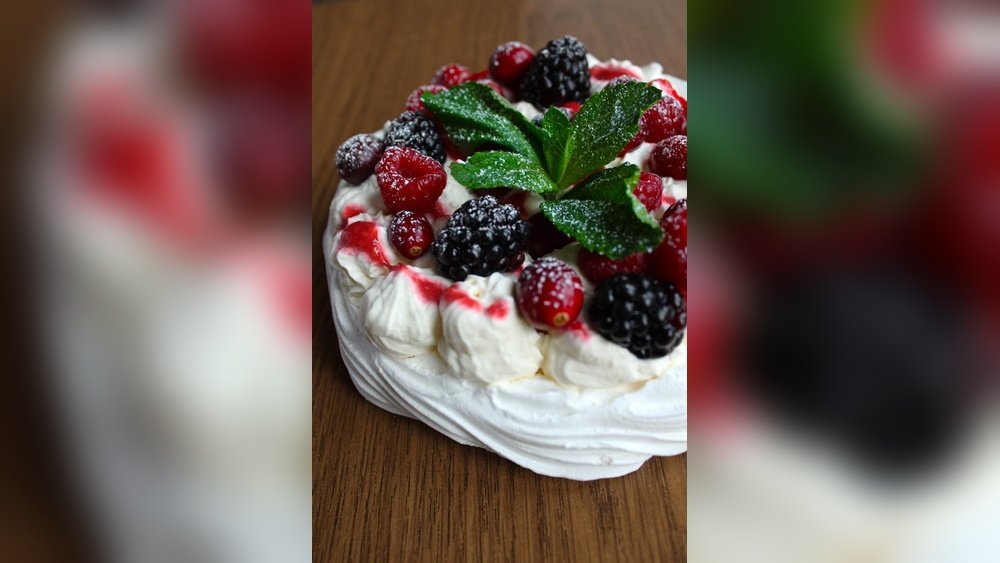
Craving a sweet, fluffy dessert that’s both light and delicious? Your search ends here with this easy vegan pavlova recipe.
Imagine biting into a crispy, melt-in-your-mouth meringue topped with fresh fruit and creamy goodness—all without any eggs or dairy. Whether you’re new to vegan baking or looking to impress your friends with something unique, this recipe will show you how to create a stunning pavlova that everyone will love.
Ready to surprise your taste buds and master a dessert that’s as beautiful as it is tasty? Keep reading to discover the simple steps that will make your vegan pavlova a showstopper.
Ingredients For Vegan Pavlova
Creating a vegan pavlova requires specific ingredients that replace traditional components. This ensures the dessert remains light, fluffy, and delicious without eggs or dairy. Each ingredient plays a key role in texture and taste. Understanding these ingredients helps in making a perfect vegan pavlova every time.
Aquafaba As Egg White Substitute
Aquafaba is the liquid from canned chickpeas or beans. It whips up like egg whites and forms stiff peaks. This makes it ideal for vegan pavlova meringue. Use chilled aquafaba for better volume. It provides structure and stability to the pavlova.
Choosing The Right Sweeteners
Sugar is essential for sweetness and crispness in pavlova. Use organic cane sugar or powdered sugar for best results. Avoid liquid sweeteners as they change the texture. You can also try coconut sugar for a mild flavor. Sweeteners help the meringue hold shape and taste great.
Selecting Fresh Fruits And Toppings
Fresh fruits add color, flavor, and freshness to vegan pavlova. Choose berries, kiwi, mango, or passion fruit for vibrant toppings. Use fruits that are ripe but firm to avoid sogginess. A light dusting of powdered sugar or a drizzle of vegan cream enhances the final look and taste.

Credit: theflouredkitchen.com
Step-by-step Preparation
Preparing a vegan pavlova takes care and patience. This recipe uses aquafaba, the liquid from chickpeas, as a substitute for egg whites. Follow these simple steps to create a light and crispy pavlova base. Each step builds on the last for perfect results.
Whipping Aquafaba To Stiff Peaks
Start with chilled aquafaba for better volume. Use a clean bowl and whisk or electric mixer. Whip the aquafaba on high speed until it forms stiff peaks. This means the mixture should hold its shape without falling.
It can take 8 to 12 minutes. Be patient; this step is key to a fluffy pavlova.
Incorporating Sugar And Stabilizers
Add sugar gradually while whipping the aquafaba. This helps to sweeten and stabilize the mixture. Use superfine sugar for smooth texture. Add a pinch of cream of tartar or lemon juice to strengthen the peaks.
Mix until the sugar dissolves and the mixture is glossy. Avoid overmixing to keep the pavlova light.
Shaping The Pavlova Base
Preheat the oven and line a baking tray with parchment paper. Spoon the aquafaba mixture onto the tray, shaping it into a circle. Use the back of a spoon to create a slight well in the center.
This well holds the toppings later. Bake the pavlova low and slow for a crisp outside and soft inside. Let it cool completely before adding fruits or cream.
Baking Tips And Tricks
Baking a vegan pavlova can be tricky. This dessert needs care and the right methods. Small steps make a big difference in the final result. Follow these baking tips to get a crisp outside and soft inside every time. Your pavlova will look and taste amazing.
Optimal Oven Temperature
Set your oven to a low temperature, about 250°F (120°C). This helps the pavlova dry slowly. High heat can cause browning or burning. Use an oven thermometer to check the exact temperature. Avoid opening the oven door too often. Keep the heat steady for best results.
Avoiding Cracks And Soggy Centers
Mix the aquafaba until stiff peaks form. This creates strong structure to hold shape. Add sugar slowly to keep the mix stable. Bake on parchment paper for even cooking. Do not rush the baking time. A slow bake helps prevent cracks. Let the pavlova dry fully to avoid soggy centers.
Cooling Techniques
Turn off the oven once baking finishes. Leave the pavlova inside to cool slowly. Sudden temperature changes cause cracks. Cool it with the oven door slightly open. This lets moisture escape gently. After cooling, transfer to a wire rack if needed. This keeps the base crisp and dry.
Decorating Your Vegan Pavlova
Decorating your vegan pavlova is a fun way to make it look as good as it tastes. The toppings bring color and texture that excite the eyes and the palate. You can create a stunning dessert with simple, natural ingredients. Focus on fresh, vibrant options that complement the light, airy base.
Choosing Vegan Cream Alternatives
Use coconut cream for a thick, rich topping. It whips up smooth and holds its shape well. Almond or soy-based creams are good for a lighter touch. Chill the cream before whipping for best results. Sweeten with a little powdered sugar or vanilla extract.
Arranging Fresh Fruit Creatively
Pick bright fruits like kiwi, strawberries, and blueberries. Slice fruit thin for delicate layers or chunkier pieces for bold looks. Arrange fruit in patterns or clusters for visual interest. Use a mix of colors to make the pavlova pop. Add small herbs like mint leaves for a fresh touch.
Adding Nuts And Other Garnishes
Sprinkle toasted almonds or crushed pistachios for crunch. Use seeds like chia or pumpkin for extra texture. Light dusting of cocoa powder or cinnamon adds warmth. Edible flowers brighten the dessert with natural beauty. Keep garnishes minimal to avoid overpowering the pavlova.
Variations And Flavor Ideas
Exploring different flavors and toppings can make your vegan pavlova even more exciting. Changing ingredients lets you enjoy new tastes and textures. Here are some creative ideas to try with your vegan pavlova recipe.
Chocolate Vegan Pavlova
Use cocoa powder or melted dark chocolate in the meringue base. This adds a rich, deep flavor that pairs well with fresh berries. Sprinkle some vegan chocolate shavings on top for extra texture. Chocolate pavlova offers a delightful twist on the classic dessert.
Tropical Fruit Toppings
Choose fruits like mango, pineapple, and passion fruit for a tropical vibe. These fruits add sweetness and a fresh, juicy contrast. Drizzle a little coconut cream on top for a creamy finish. Tropical toppings brighten the pavlova with vibrant colors and flavors.
Nutty And Spiced Twists
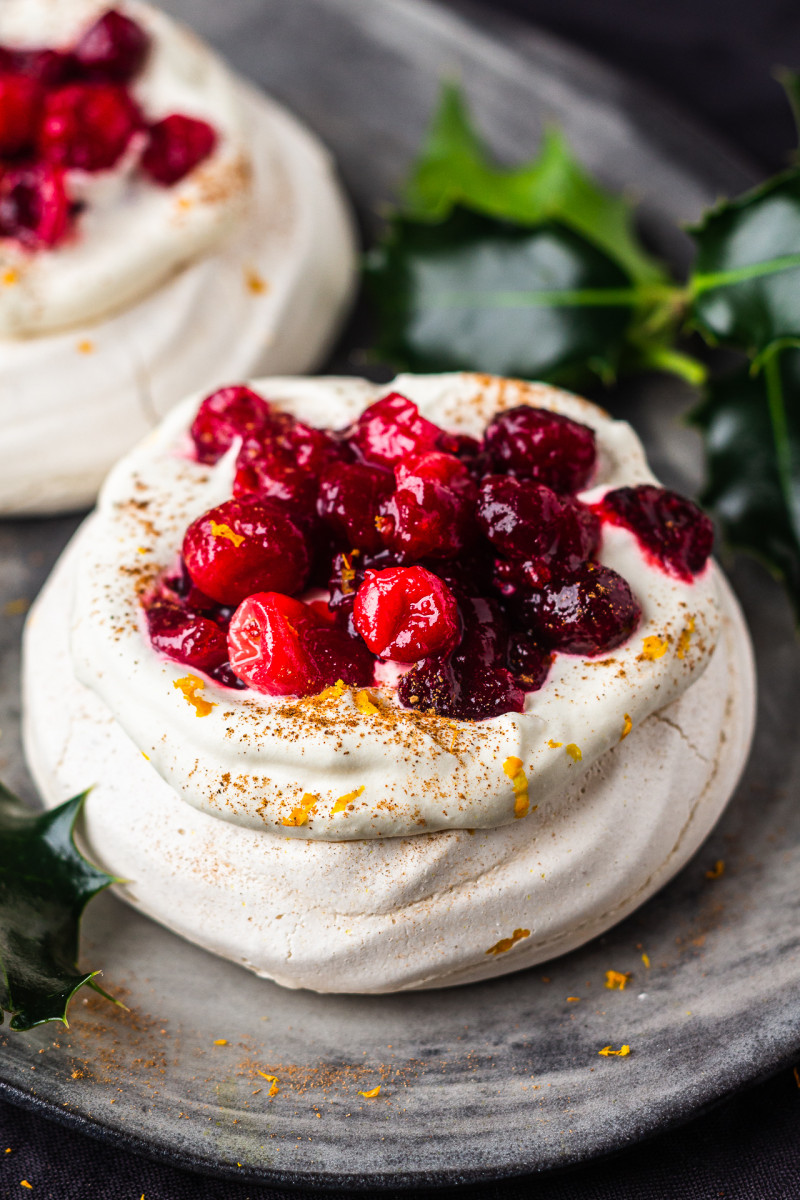
Add chopped toasted nuts like almonds or pistachios for crunch. Mix cinnamon or nutmeg into the meringue or sprinkle on top. These warm spices create a cozy, inviting taste. Nuts and spices make the pavlova feel festive and unique.
Credit: www.lazycatkitchen.com
Common Mistakes To Avoid
Making a vegan pavlova can be tricky. Small mistakes can change the texture and taste. Knowing what to avoid helps you get a perfect dessert every time. Here are some common errors that many people make while baking vegan pavlova.
Overbeating Or Underbeating Aquafaba
Aquafaba is the liquid from canned chickpeas. It acts like egg whites in pavlova. Whip it too long, and it becomes dry and clumpy. Stop too early, and it stays runny. Both ruin the meringue’s structure. Beat aquafaba until stiff, glossy peaks form. This step is key for light and airy pavlova.
Using Incorrect Baking Times
Baking vegan pavlova needs patience. Too short a time leaves it soft and sticky inside. Too long dries it out and turns it brown. Follow the recipe’s baking time closely. Use a low oven temperature for even cooking. Check the pavlova gently; it should feel crisp outside but soft inside.
Improper Storage Methods
Storing pavlova incorrectly makes it soggy or stale fast. Keep it in an airtight container at room temperature. Avoid the fridge; moisture there softens the crisp shell. Add toppings only before serving. Store pavlova separately to keep its crunch and fresh flavor.
Serving Suggestions
Serving your vegan pavlova with care makes the experience special. The right pairings and presentation can highlight its sweet, airy texture. Small details help your dessert shine on any table.
Pairing With Beverages
Vegan pavlova goes well with light, refreshing drinks. Try a chilled herbal tea, such as mint or chamomile. These soften the sweetness and cleanse the palate.
Fruit juices like apple or pear add natural sweetness. For a festive touch, serve with sparkling water infused with lemon or berries. Coffee lovers can enjoy a mild, plant-based latte to balance flavors.
Ideal Occasions For Vegan Pavlova
This dessert suits many events. It fits casual family dinners and formal celebrations. Its light texture makes it perfect after heavy meals.
Try it for birthdays, summer picnics, or holiday gatherings. Vegan pavlova is a crowd-pleaser for guests with different diets. It brings a fresh, colorful finish to any menu.
Portioning And Presentation
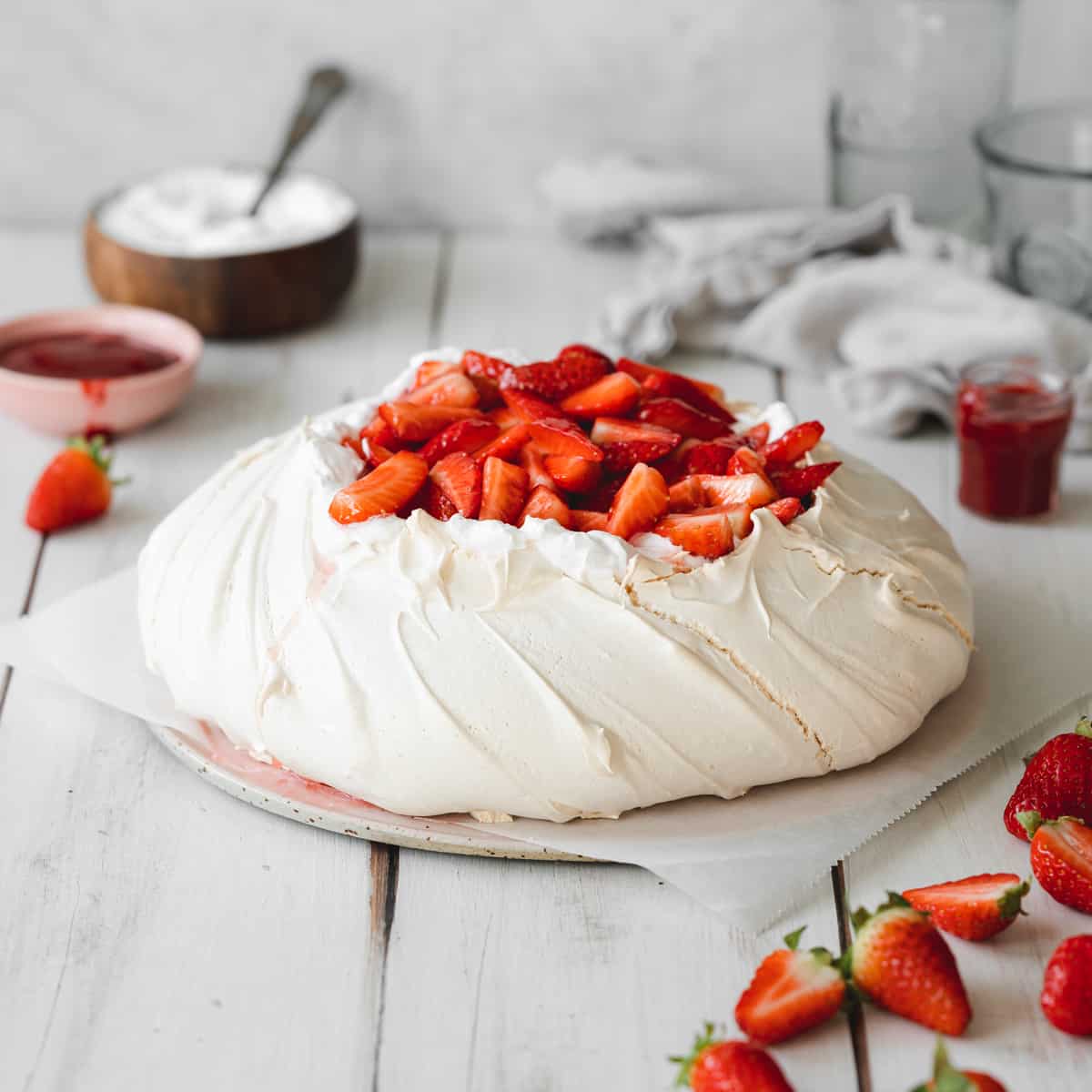
Serve pavlova in small, neat slices or individual portions. Use a sharp knife to keep edges clean. Garnish with fresh fruit like strawberries, kiwi, or passionfruit for color.
Place a dollop of coconut cream on top for extra richness. Use simple white plates to let the dessert stand out. Presentation matters—it makes your pavlova look inviting and tasty.
Credit: addictedtodates.com
Frequently Asked Questions
What Ingredients Make A Vegan Pavlova?
A vegan pavlova uses aquafaba, sugar, vinegar, cornstarch, and vanilla. Aquafaba is the key egg white substitute for meringue texture.
How Do You Achieve A Crispy Vegan Pavlova Shell?
Bake the vegan pavlova at low heat for a long time. This dries out the meringue, creating a crispy shell with a soft center.
Can You Top Vegan Pavlova With Fresh Fruit?
Yes, fresh fruits like berries, kiwi, and passionfruit add flavor and color. They enhance the pavlova’s natural sweetness and freshness.
Is Vegan Pavlova Gluten-free?
Yes, traditional pavlova recipes and vegan versions are naturally gluten-free. They contain no flour, making them suitable for gluten-sensitive diets.
Conclusion
This vegan pavlova recipe is simple and delicious. You can enjoy a sweet treat without eggs or dairy. It stays light and crispy, just like the classic version. Fresh fruits add natural sweetness and color. Perfect for any special day or a casual dessert.
Give it a try and share with friends. Baking vegan can be fun and tasty. A dessert everyone can enjoy, no matter their diet. Easy to make, easy to love.
