

Have you ever wondered what “yield” really means when you see it in a recipe? If you’ve been confused about whether it tells you how much food you’ll get or how many servings it makes, you’re not alone.
Understanding yield can change the way you plan your meals and help you avoid wasting ingredients. You’ll discover exactly what yield means and how it can make your cooking easier and more predictable. Keep reading, and you’ll never have to guess about recipe amounts again!

Credit: www.theculinarypro.com
Yield In Recipes
Understanding yield in recipes is important for cooking and baking. It tells you how much food the recipe will make. This helps plan meals, servings, and shopping lists. Knowing the yield avoids making too much or too little food.
Recipes often mention yield at the start or end. This shows the number of servings or the total amount produced. It gives a clear idea of what to expect from the recipe.
Defining Yield
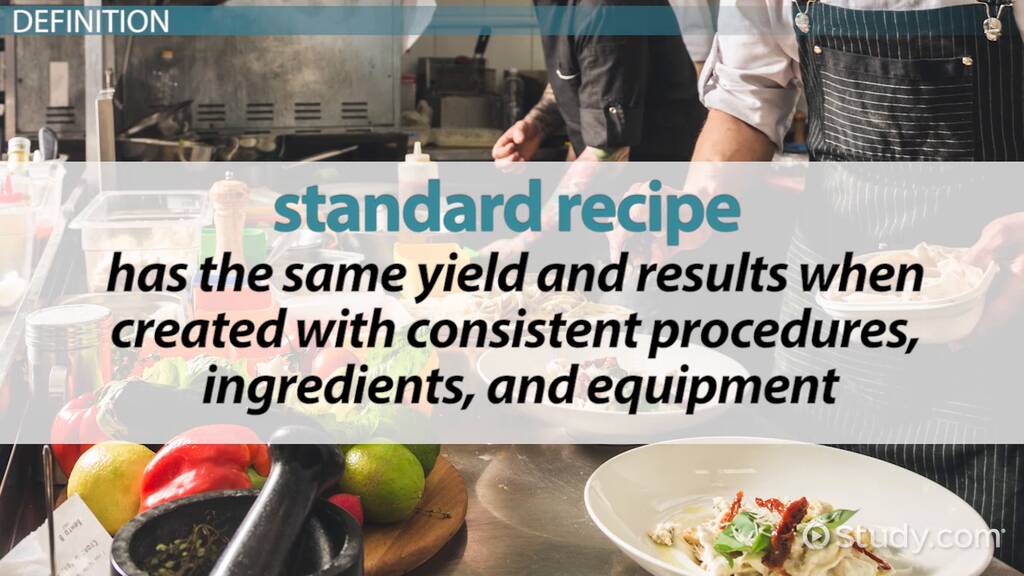
Yield means the total amount of food a recipe makes. It can be shown as the number of servings or the volume or weight of the final dish. For example, a soup recipe might say “Yield: 6 servings” or “Yield: 4 cups.”
Yield helps cooks understand portion size. It also helps adjust recipes for more or fewer people. Without yield, it is hard to know how much food you will get.
Common Yield Terms
Recipes use different terms to describe yield. Common ones include servings, pieces, cups, and pounds. Servings mean how many people the dish can feed. Pieces refer to individual items like cookies or muffins.
Cups, ounces, or pounds show the amount of food by volume or weight. Some recipes use slices, bowls, or trays. Each term gives a clear idea of how much the recipe produces.
Types Of Yield
Understanding the different types of yield helps you follow recipes better. Yield tells you how much food a recipe makes. This information lets you plan meals and servings properly.
Portion Yield
Portion yield shows how many servings a recipe makes. It tells you the number of pieces or plates you get. This helps when sharing food with others. For example, a cake recipe might say it makes 8 slices.
Volume Yield
Volume yield measures the total space the food takes up. It uses cups, liters, or gallons. This is useful for soups, sauces, or drinks. A recipe might say it makes 4 cups of soup, indicating volume yield.
Weight Yield
Weight yield shows the total weight of the finished dish. It uses grams, ounces, or pounds. This type is common in baking and meat recipes. Knowing weight yield helps you control portion size and nutrition.
Why Yield Matters
Knowing the yield of a recipe helps in many ways. It tells you how much food the recipe makes. This information is important for cooking the right amount of food. It also helps avoid waste and extra cost. Understanding yield can improve your cooking and planning.
Accurate Ingredient Use
Yield shows how many servings a recipe makes. This helps measure ingredients correctly. Using the right amounts keeps the taste and texture perfect. It stops food from being too much or too little. Accurate use of ingredients makes cooking easier and better.
Meal Planning
Yield helps plan meals for the right number of people. You can decide how much food to cook. This prevents cooking too much or too little. It also helps in preparing leftovers or extra servings. Good meal planning saves time and effort.
Cost Efficiency
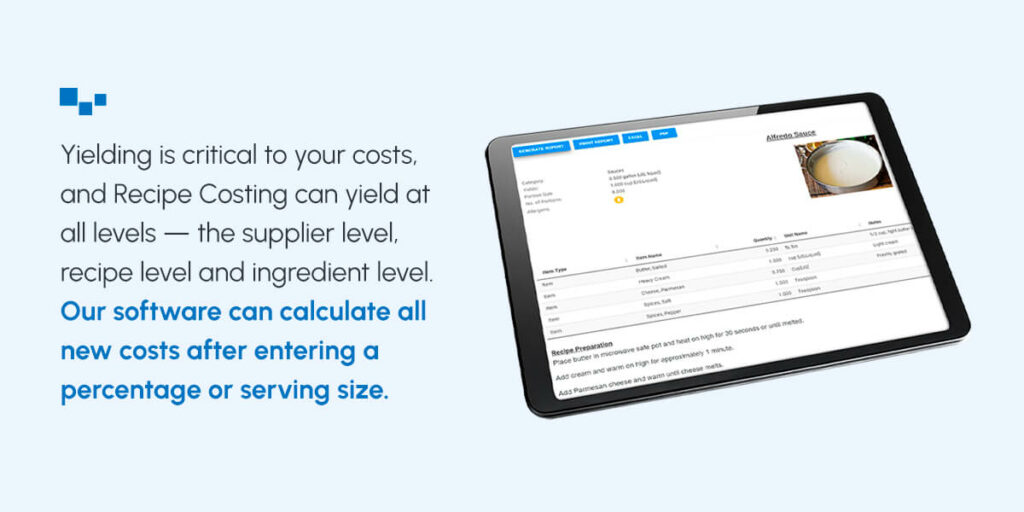
Knowing the yield helps control food costs. You buy only what you need for the recipe. This reduces food waste and saves money. It makes grocery shopping smarter and more budget-friendly. Cost efficiency is key for daily cooking and special meals.
Credit: study.com
Adjusting Recipe Yield
Adjusting recipe yield means changing the amount of food a recipe makes. It helps when cooking for fewer or more people than the recipe states. Changing the yield is not just about adding or removing ingredients. It needs careful adjustments to keep taste and texture.
Scaling Up
Scaling up means increasing the recipe to serve more people. Multiply each ingredient by the same number. For example, double the recipe for twice the amount. Watch cooking time and temperature as they may change. Large batches may cook slower or unevenly.
Scaling Down
Scaling down means making less food than the recipe says. Divide each ingredient by the same number. Use smaller pots and pans to avoid burning or drying. Some ingredients, like spices, may need less reduction to keep flavor. Measure carefully for best results.
Maintaining Flavor Balance
Flavor balance is key when adjusting yield. Spices and seasonings might not scale directly. Taste the food as you cook and adjust seasoning. Some ingredients, like salt or acid, affect flavor more strongly. Add them slowly and test often for perfect taste.
Yield And Serving Sizes
Understanding the yield and serving sizes in a recipe is important. It tells you how much food the recipe makes. This helps plan meals and avoid waste. Knowing the yield helps you serve the right amount to each person. It also guides you in adjusting the recipe if needed.
Recipes often list yield as the number of servings or total quantity. This number shows how many people the dish can feed. Serving sizes break this down further, showing how much each person should eat. Both yield and serving sizes help with meal planning and nutrition.
Portion Control
Portion control means serving the right amount of food. It helps keep meals balanced and prevents overeating. Recipes with clear yield and serving sizes make portion control easier. This is useful for families and anyone tracking food intake. Following portion sizes keeps meals healthy and satisfying.
Nutritional Information
Yield and serving sizes help calculate nutritional facts. Knowing the serving size shows how many calories and nutrients each portion has. This helps people manage diets and meet health goals. Accurate yield information ensures correct nutrition data. It supports better food choices and healthy eating habits.
Credit: www.recipe-costing.com
Common Yield Mistakes
Understanding yield in recipes helps with cooking the right amount. Many cooks make common mistakes with yield. These errors can cause wasted food or not enough servings. Knowing these mistakes helps avoid problems in the kitchen.
Misinterpreting Yield
Yield shows how many servings a recipe makes or the total amount. Some people think yield means just the number of people served. Others confuse yield with portion size. This can cause cooking too much or too little food. Always check if yield means servings or total quantity.
Ignoring Yield Variations
Yield can change based on ingredients and cooking methods. Different brands or sizes can affect the final amount. Cooking time and temperature also change yield. Ignoring these changes can lead to errors in planning meals. Adjust recipes as needed to match actual yield.
Tools For Measuring Yield
Measuring yield in a recipe means finding out how much food a recipe makes. It helps you plan meals and control portions. Using the right tools makes measuring yield easy and accurate. These tools help you get the exact amount of ingredients or final product.
Kitchen Scales
Kitchen scales show the weight of ingredients or finished dishes. They give precise measurements in grams or ounces. Scales work best for dry or heavy ingredients like flour and meat. They help avoid guessing and keep recipes consistent. Digital scales are easy to read and very accurate.
Measuring Cups And Spoons
Measuring cups and spoons measure liquid and small dry ingredients. Cups are used for larger amounts like milk or sugar. Spoons are for small amounts like salt or baking powder. They come in standard sizes to ensure correct portions. Using these tools helps keep your recipe results reliable.
Tips To Master Yield
Understanding yield in a recipe helps you cook the right amount. It prevents food waste and saves money. Follow these tips to improve your control over recipe yield.
Testing Recipes
Try the recipe once before serving others. Check the portion sizes and total servings. Note if the amount matches your needs. Adjust ingredient quantities if necessary. Testing helps you see the real yield, not just what the recipe says.
Keeping Notes
Write down changes you make during cooking. Record the new ingredient amounts and servings. Note how the taste and texture change. Keep these notes for future use. It helps you repeat the desired yield every time.
Frequently Asked Questions
What Does Yield Mean In A Recipe?
Yield refers to the total amount or number of servings a recipe produces. It helps you understand how much food to expect.
How Does Yield Affect Recipe Planning?
Knowing the yield helps you plan portions and ingredients accurately. It prevents food waste and ensures enough servings for guests.
Can Yield Vary Between Recipes?
Yes, yield can vary based on ingredient size, cooking method, or serving size. Always check the recipe’s yield for accuracy.
Why Is Yield Important For Baking?
In baking, yield ensures you make the right batch size. It helps maintain consistency and avoid over- or under-preparing baked goods.
Conclusion
Yield in a recipe tells you how much food you will make. It helps plan meals and servings. Knowing yield saves time and reduces food waste. Always check yield before you start cooking. It makes following recipes easier and more accurate.
Recipes with clear yield give you better results. Keep this tip in mind for your next dish. Cooking becomes simple and fun with the right information.
