


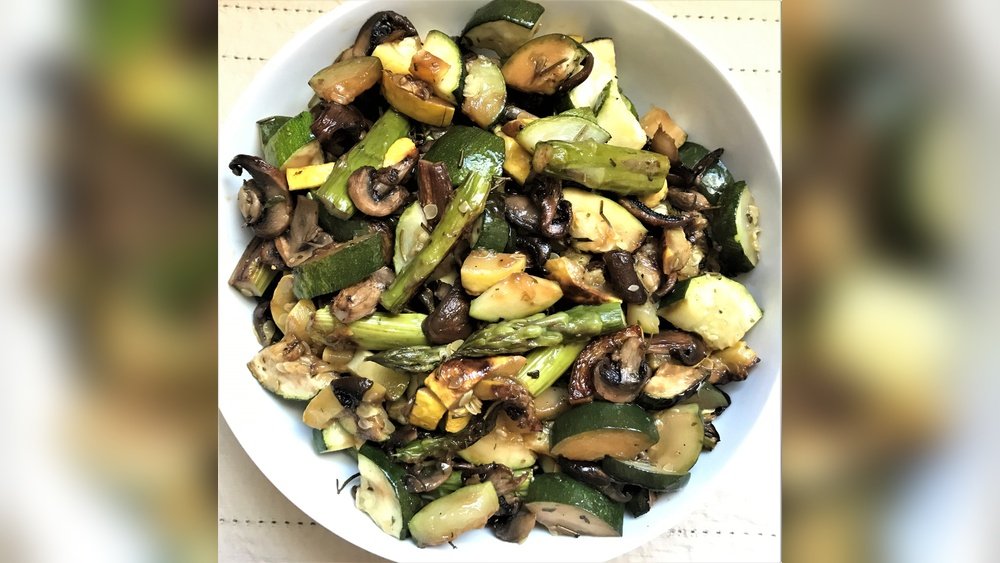
Are you looking for a fresh, tasty way to enjoy your veggies? This squash and asparagus recipe is just what you need.
It’s simple, quick, and packed with flavor. Imagine biting into tender, roasted squash paired perfectly with crisp asparagus—each bite full of vibrant taste and nutrition. Whether you’re cooking for yourself or the whole family, this dish will make your meals more exciting.
Keep reading, and you’ll discover easy steps to create a delicious, healthy meal that will keep you coming back for more.
Choosing Fresh Squash And Asparagus
Choosing fresh squash and asparagus is key to a tasty dish. Fresh ingredients bring out the best flavors. They also have a better texture and more nutrients. Knowing how to pick the best squash and asparagus helps you cook a delicious meal every time.
Selecting The Best Squash Varieties
Squash comes in many types. Look for firm skin with no soft spots. The color should be bright and even. Smaller squash often tastes sweeter and more tender. Avoid any that feel heavy or mushy. Fresh squash has a mild smell and feels firm in your hand.
Picking Tender Asparagus Tips
Choose asparagus with firm, straight stalks. The tips should be closed and compact. Thin stalks are usually more tender. Check for bright green color and avoid any that look dry. Fresh asparagus snaps easily when bent. Avoid limp or wilted stalks for the best texture.
Credit: recipes.heart.org
Health Benefits Of Squash And Asparagus
Squash and asparagus are not only tasty but also full of health benefits. Both vegetables offer essential nutrients that support overall well-being. Including them in your meals helps you stay healthy and energized.
These vegetables contain vitamins, minerals, and antioxidants. They help protect the body from diseases and keep your organs working well. Eating squash and asparagus regularly can improve your daily health naturally.
Nutritional Value
Squash is rich in vitamins A and C. These vitamins support good vision and healthy skin. It also contains fiber, which helps keep your digestive system smooth. Asparagus provides vitamin K, important for bone health. It also has folate, which helps make new cells in your body. Both vegetables are low in calories, making them great for weight control.
Impact On Digestion And Immunity
Fiber in squash and asparagus aids digestion by keeping food moving. This reduces bloating and constipation. Asparagus contains prebiotics that feed good gut bacteria. A healthy gut supports a strong immune system. Vitamins in these vegetables help your body fight infections. Regular intake can reduce inflammation and boost your natural defenses.
Simple Preparation Techniques
Preparing squash and asparagus for cooking can be quick and easy. Simple steps help keep the vegetables fresh and tasty. Proper preparation also ensures even cooking and better flavor. Follow these tips to get the best results.
Cleaning And Trimming Tips
Start by rinsing squash and asparagus under cold water. This removes dirt and tiny bugs. Use a soft brush to scrub gently if needed. For squash, cut off the ends and remove any spots. For asparagus, snap or trim the tough bottom parts. Fresh asparagus should bend easily and not feel woody.
Cutting Methods For Even Cooking
Cut squash into slices or cubes of the same size. This helps them cook evenly and faster. For asparagus, cut spears into equal lengths, about two inches long. Thin asparagus cooks quickly, so adjust cooking time if pieces are thick. Uniform cuts make the dish look better and taste great.
:max_bytes(150000):strip_icc()/8000928-f4921362b69b4a709566a38c2a70367c.jpg)
Credit: www.allrecipes.com
Easy Recipes To Try At Home
Easy recipes bring fresh flavors to your home kitchen. Squash and asparagus pair well together. Both are healthy and simple to cook. These recipes use common ingredients and require little time.
Try these ideas for quick, tasty meals. They suit busy days and beginner cooks. Each recipe highlights the natural taste of squash and asparagus.
Roasted Squash And Asparagus Medley
Cut squash and asparagus into bite-size pieces. Toss with olive oil, salt, and pepper. Spread on a baking sheet in one layer. Roast at 400°F for 20 minutes. The vegetables become tender and slightly caramelized. Serve warm as a side dish or main.
Sauteed Squash With Asparagus Tips
Heat a pan with a little oil over medium heat. Add sliced squash and asparagus tips. Cook for 5 to 7 minutes, stirring often. Season with garlic, salt, and pepper. This quick sauté keeps the veggies crisp and fresh. Perfect for a light lunch or dinner.
Squash And Asparagus Soup
Chop squash and asparagus into small pieces. Cook with onion and broth until soft. Blend until smooth and creamy. Add salt and pepper to taste. This soup is warm, comforting, and healthy. Serve with bread for a filling meal.
Creative Flavor Combinations
Squash and asparagus make a great base for many dishes. Mixing different flavors can make your meal exciting. Creative flavor combinations bring out the best in these vegetables. They add depth and interest to simple recipes. Experimenting with herbs, spices, nuts, and cheese can change the taste entirely. These elements can enhance the natural sweetness and earthiness of squash and asparagus. They create a balance between fresh and rich flavors.
Herbs And Spices That Complement
Basil and thyme work well with squash and asparagus. Their fresh, green notes brighten the dish. Rosemary adds a piney aroma that pairs nicely with roasted flavors. Garlic powder and black pepper give a mild kick without overpowering. A pinch of nutmeg can add warmth and a subtle sweetness. Lemon zest lifts the overall taste, making it more vibrant. These herbs and spices blend smoothly with the vegetables.
Adding Nuts And Cheese
Toasted almonds or pine nuts add a crunchy texture. They bring a nutty flavor that contrasts with soft squash. Crumbled feta or goat cheese adds creaminess and a tangy note. Parmesan gives a salty, savory touch that melts well over hot vegetables. These ingredients make the dish more satisfying and rich. Combining nuts and cheese adds layers of flavor and texture. They turn a simple recipe into a delightful meal.

Credit: www.powellfamilycooking.com
Cooking Tips For Perfect Texture
Cooking squash and asparagus with the right texture makes the dish enjoyable. Soft squash and crisp asparagus create a nice balance. Follow simple tips to keep both vegetables perfect.
Avoiding Overcooking
Overcooked vegetables become mushy and lose flavor. Cut squash and asparagus into similar sizes for even cooking. Cook squash a little longer than asparagus, as it takes more time. Use medium heat to control cooking speed. Test vegetables often with a fork to check firmness.
Maintaining Crispness
Keep asparagus bright and crunchy by cooking quickly. Blanch asparagus in boiling water for 1-2 minutes, then plunge in cold water to stop cooking. Stir-fry or roast asparagus with a little oil to keep crispness. Avoid covering cooked asparagus; steam softens it further. Serve immediately for the best texture.
Serving Suggestions
Serving squash and asparagus offers a fresh, tasty experience. These vegetables bring color and nutrition to your meal. They work well with many dishes, making them a great choice for any table.
Pairing With Proteins
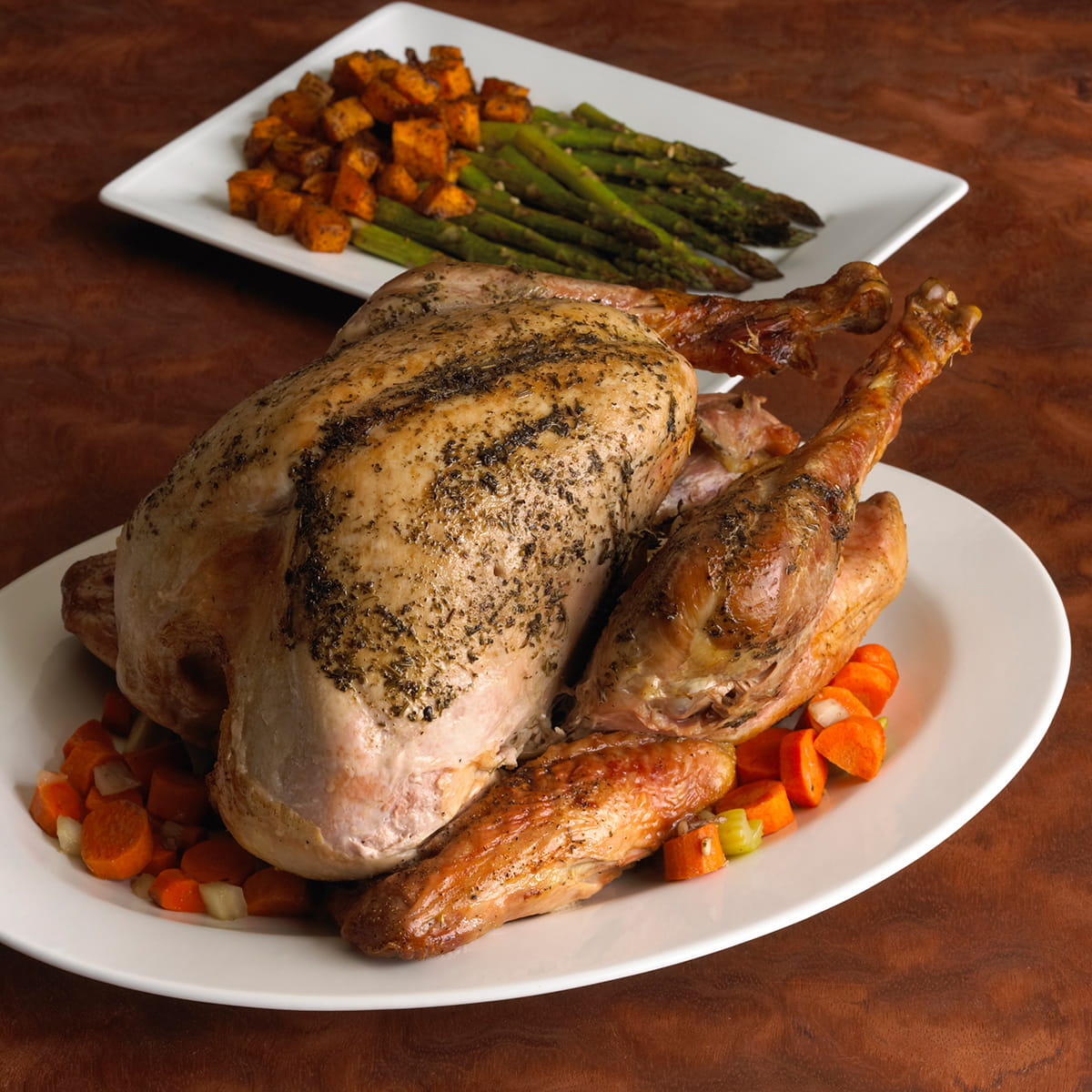
Squash and asparagus taste great with chicken. Grilled or roasted chicken adds a mild flavor that matches well. Fish, like salmon or cod, also pairs nicely. Their light taste balances the vegetables. For a vegetarian option, try tofu or tempeh. These proteins soak up the flavors of the squash and asparagus.
Side Dish Ideas
Serve squash and asparagus alongside rice or quinoa for a healthy meal. They also go well with mashed potatoes or roasted sweet potatoes. A fresh green salad complements these vegetables nicely. Bread, like garlic toast or a baguette, rounds out the plate. These sides make the meal complete and satisfying.
Frequently Asked Questions
What Ingredients Are Needed For Squash And Asparagus Recipe?
You need fresh squash, asparagus, olive oil, garlic, salt, pepper, and lemon juice. These simple ingredients enhance natural flavors. The recipe is healthy and easy to prepare.
How Do You Cook Squash And Asparagus Together?
Sauté squash and asparagus in olive oil over medium heat. Add garlic, salt, and pepper. Cook until tender but crisp, about 5-7 minutes. Finish with lemon juice for a fresh taste.
Can Squash And Asparagus Be Roasted Instead Of Sautéed?
Yes, roast squash and asparagus at 400°F for 15-20 minutes. Toss them with olive oil, salt, and pepper before roasting. Roasting brings out a rich, caramelized flavor.
Is This Recipe Suitable For A Vegan Diet?
Absolutely. This squash and asparagus recipe contains no animal products. It’s plant-based, nutritious, and perfect for vegans and vegetarians alike.
Conclusion
Squash and asparagus make a fresh, tasty meal. This recipe is quick and easy to prepare. You can enjoy it as a side or main dish. The flavors blend well and feel light on the stomach. Try adding your favorite herbs for extra taste.
Cooking this recipe often will boost your vegetable intake. Simple ingredients, simple steps, great results. Give this dish a try today and enjoy healthy eating.
