


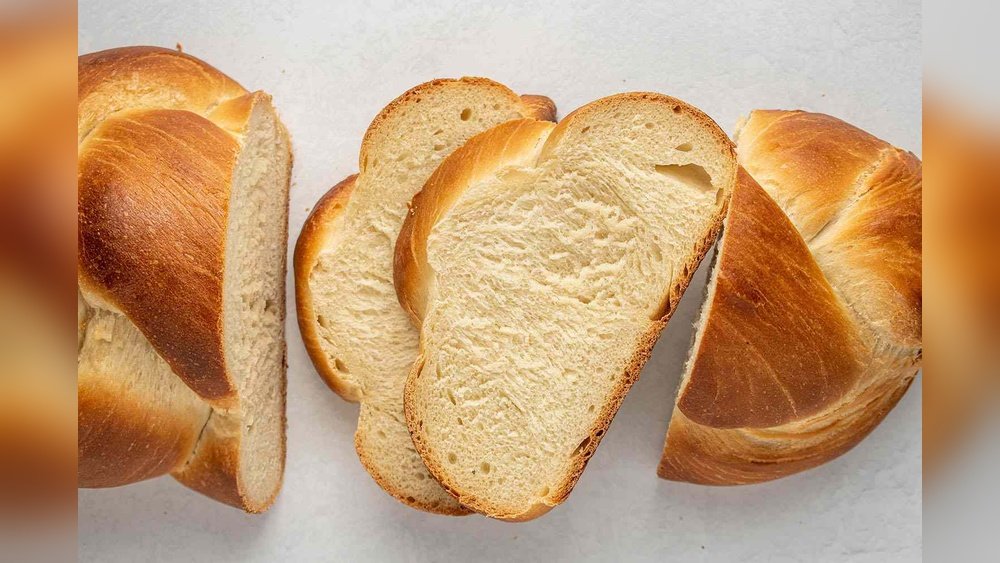
If you love fresh, soft, and slightly sweet bread but want a lighter option, this Water Challah Recipe is made just for you. Imagine pulling apart a warm, golden loaf that’s easy to make and uses simple ingredients you probably already have.
Whether you’re new to baking or a seasoned pro, this recipe will guide you step-by-step to create a beautiful challah without the fuss of eggs or heavy fats. Ready to impress your family and friends with a delicious homemade treat?
Keep reading, and let’s get baking!

Credit: kosherfromjerusalem.com
Ingredients For Water Challah
The ingredients for water challah are simple and easy to find. This recipe uses no oil or eggs, making it lighter than traditional challah. Each component plays a role in creating soft, fluffy bread with a mild taste. Understanding the ingredients helps you make perfect challah every time.
Essential Dry Ingredients
Flour is the main ingredient for water challah. Use all-purpose or bread flour for the best texture. Sugar adds a touch of sweetness to the dough. Salt balances the flavors and strengthens the gluten. Yeast helps the dough rise and become airy. These dry ingredients form the base of your challah.
Wet Ingredients And Water
Water is the key wet ingredient in this recipe. It hydrates the flour and activates the yeast. Lukewarm water works best to help the dough rise. This recipe uses no eggs or oil, making it lighter and dairy-free. Simple water brings a clean flavor to the bread.
Optional Additions
Some like to add honey for extra sweetness instead of sugar. Sesame or poppy seeds on top add crunch and flavor. You can also add raisins for a sweet surprise inside. These extras make your challah unique but are not necessary. Keep it simple or try small changes to suit your taste.
Preparing The Dough
Preparing the dough is the first key step in making water challah. It sets the base for soft, fluffy bread with a light texture. Paying attention to details during this stage helps achieve the perfect dough.
Focus on the right mix, proper kneading, and the right dough feel. These small steps make a big difference in your challah’s final quality.
Mixing Ingredients
Start by combining flour, water, yeast, sugar, and salt. Use warm water to activate the yeast effectively. Stir gently until the ingredients form a rough dough. Avoid adding all the flour at once. Mix slowly to see how the dough comes together. This prevents the dough from becoming too dry or sticky.
Kneading Techniques
Turn the dough onto a clean surface. Press and fold the dough with your palms. Use a pushing motion away from you. Fold it back and rotate the dough. Knead for about 8 to 10 minutes. This develops gluten, giving the dough strength and elasticity. Stop kneading once the dough feels smooth and springs back when pressed.
Adjusting Dough Consistency
The dough should be soft but not sticky. If the dough sticks to your hands, sprinkle a little flour. Add water in small drops if the dough feels too dry. Aim for a slightly tacky texture that holds together well. Proper consistency ensures easy braiding and a beautiful challah loaf.
First Rise And Resting
The first rise and resting stage is key to making soft, fluffy water challah. This step allows the dough to develop flavor and texture. During this time, yeast produces gas that makes the dough expand.
Patience matters here. Rushing this step can lead to dense bread. Let the dough rest in a warm, quiet place. Cover it with a clean cloth or plastic wrap to keep moisture in.
Ideal Temperature
The perfect temperature for the first rise is between 75°F and 85°F (24°C to 29°C). This warmth helps the yeast work well without getting too hot. Cold temperatures slow down yeast activity. Heat above 90°F (32°C) can kill the yeast.
Find a cozy spot, like near a radiator or inside a turned-off oven with the light on. Avoid drafts or cold areas. The dough should feel soft and slightly warm to the touch during this time.
Signs Of Proper Rising
Check the dough after about 1 to 2 hours. It should double in size. The surface looks smooth and slightly domed. Gently press a finger into the dough. If the indentation stays, the dough is ready.
If the dough springs back quickly, it needs more time. Over-risen dough may collapse or feel too soft. Proper rising ensures a light, airy challah texture after baking.
Credit: www.jewishfoodsociety.org
Shaping The Challah
Shaping the challah is a key step in baking this traditional bread. It gives the challah its beautiful look and helps it bake evenly. This part of the process can be simple or creative, depending on the style you want.
Braiding Methods
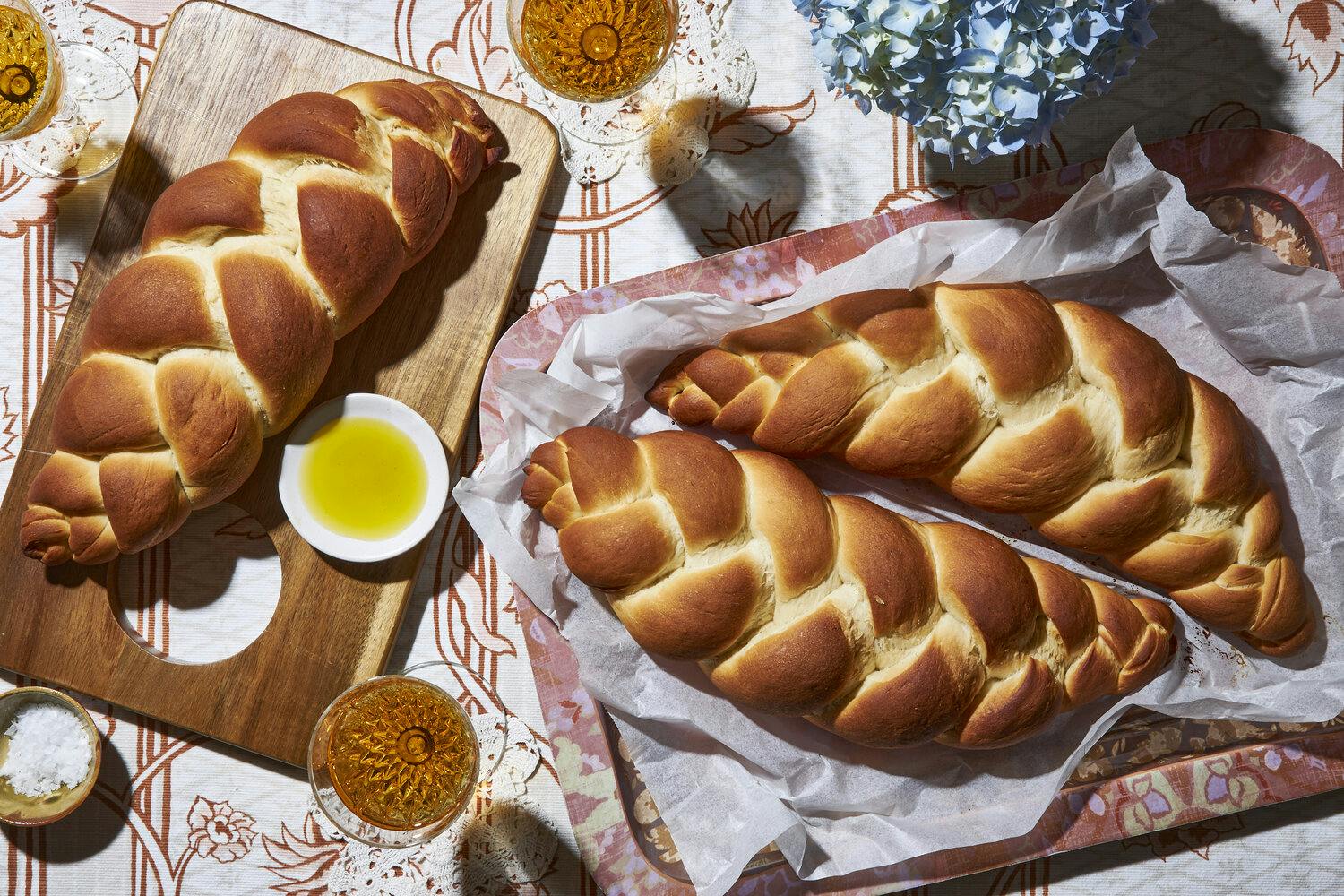
Braiding challah is a classic way to shape it. The most common braid uses three strands of dough. Lay the strands side by side, pinch them together at one end, then cross them over one another.
Try crossing the right strand over the middle, then the left over the new middle strand. Repeat this pattern until you reach the end. Pinch the ends together to keep the braid tight.
For a fuller loaf, use four or six strands. Four-strand braids look like a flat basket weave. Six-strand braids create a thick, round loaf with a stunning pattern.
Alternative Shapes
Challah does not have to be braided. You can shape it in other ways for variety. A round challah is perfect for special occasions. Roll the dough into a long rope, then coil it into a circle.
Another option is the knot shape. Make a long rope, tie it like a loose knot, and tuck the ends under. This shape is easy and looks lovely on any table.
Try small rolls instead of one big loaf. Divide the dough into pieces, roll each into a ball, and place them close in a pan. They bake into pull-apart rolls, great for sharing.
Second Rise And Proofing
The second rise and proofing stage is key for a soft, airy Water Challah. This step allows the dough to relax and swell. The yeast works to create air pockets inside the dough. This results in a light and tender bread texture.
Proper proofing helps develop the flavor too. It gives the dough time to rest after shaping. This step ensures your challah will bake evenly and rise well in the oven.
Proofing Time
Proofing usually takes about 45 to 60 minutes. The dough should nearly double in size. Watch it carefully; do not let it over-proof. Over-proofed dough can collapse or taste sour.
Keep the dough in a warm place, around 75°F (24°C). Cooler spots slow the yeast, extending proofing time. Warmer spots speed it up, but can dry the dough.
Maintaining Moisture
Cover the dough with a damp towel or plastic wrap. This keeps the surface from drying out. Dry dough can form a crust that stops rising.
Lightly misting the dough with water helps keep it soft. Avoid too much water; it can make the dough sticky. Check moisture often during proofing for best results.
Baking Tips
Baking challah with water instead of eggs needs care. Small changes in baking can affect the bread’s look and taste. Follow these tips for the best results. They help the challah turn out soft, shiny, and perfectly baked.
Oven Settings
Set the oven to 350°F (175°C) for even baking. Preheat the oven before placing the dough inside. Avoid opening the door too often. It stops heat and makes the bread bake unevenly.
Egg Wash Application
Use an egg wash to give challah a shiny crust. Beat one egg with a tablespoon of water. Brush this gently over the dough before baking. For a lighter shine, use only water or milk instead of egg.
Baking Time And Doneness
Bake the challah for 25 to 30 minutes. The top should be golden brown. Tap the bottom; it should sound hollow. Use a thermometer if unsure. The internal temperature should reach 190°F (88°C).
Serving Suggestions
Serving Water Challah offers many tasty possibilities. This soft, braided bread fits well with sweet and savory dishes. You can enjoy it fresh or warmed for a comforting treat. Below are easy ways to serve and store your challah.
Fresh Serving Ideas
Slice the challah and serve it with butter or honey. It pairs nicely with soups and salads. Use it for sandwiches with meats or cheese. Toast slices for a crunchy, warm snack. Spread cream cheese or jam for a simple breakfast. The soft texture works well with dips too.
Storage And Reheating
Keep challah in a bread box or wrapped in foil. Store it at room temperature for up to three days. For longer storage, freeze the bread in a sealed bag. Reheat slices in the oven at 350°F for 5-7 minutes. You can also warm it in a toaster or microwave. This keeps the challah soft and fresh tasting.

Credit: jewishviennesefood.com
Troubleshooting Common Issues
Making water challah can be simple, but some common issues might appear. These problems can affect the bread’s texture, look, or crust. Understanding how to fix them can help you bake better challah each time.
Dense Or Dry Bread
Dense or dry challah usually means the dough did not rise enough. Check the yeast for freshness and warmth of the water. Use the right amount of water to keep the dough soft. Avoid overbaking, as it dries the bread. Let the challah cool on a rack to keep moisture inside.
Uneven Braiding
Uneven braiding happens if the dough strands differ in size. Roll each strand to the same length and thickness. Keep the dough slightly floured but not dry. Tighten the braid gently without stretching the dough. Practice braiding slowly for a neat, uniform shape.
Crust Problems
Crust issues include burning, cracking, or being too hard. Use moderate oven heat to avoid burning. Brush the challah with water or oil to keep the crust soft. Cover with foil if the crust browns too fast. Cool the bread before slicing to prevent cracking.
Frequently Asked Questions
What Makes Water Challah Different From Traditional Challah?
Water challah uses water instead of eggs or oil, making it lighter and vegan-friendly. It retains a soft texture and classic flavor while being suitable for those with dietary restrictions.
How Do You Achieve A Soft Texture In Water Challah?
Using warm water, quality flour, and proper kneading ensures a soft texture. Allow the dough to rise fully to develop a fluffy, tender crumb in water challah.
Can Water Challah Be Braided Like Regular Challah?
Yes, water challah dough is pliable and easy to braid. The braiding process is the same, giving it a beautiful, traditional appearance despite the egg-free recipe.
Is Water Challah Suitable For Passover Or Other Holidays?
Water challah can be adapted for holidays but check specific dietary laws. It’s a versatile recipe that fits many occasions when eggs or oil are avoided.
Conclusion
This water challah recipe is simple and delicious. It uses easy ingredients you may have at home. You can enjoy fresh challah without eggs or oil. Perfect for those who want a lighter bread option. Baking it yourself brings warmth and joy to any meal.
Try this recipe and share it with family. Fresh, soft challah is just a few steps away. Give it a go and enjoy the tasty results.
