



Are you craving the bold, savory taste of salami but want to skip the meat? You’re in the right place.
This vegetarian salami recipe lets you enjoy all the rich flavors without any animal products. Imagine slicing into a spicy, flavorful treat that’s perfect for sandwiches, snacks, or appetizers. Ready to discover how easy it is to make your own delicious, plant-based salami at home?
Keep reading, and your taste buds will thank you.
Ingredients For Vegetarian Salami
Creating vegetarian salami requires the right mix of ingredients. The goal is to mimic the texture and flavor of traditional salami. Plant-based components form the base. Spices add the signature taste. Binders and fillers hold everything together. Each part plays a key role in making tasty vegetarian salami.
Key Plant-based Components
Plant-based ingredients create the main body of the salami. Vital options include textured vegetable protein, soy curls, or lentils. These provide a chewy texture similar to meat. Mushrooms add umami depth and moisture. Nuts and seeds bring richness and healthy fats. Combining these creates a solid, flavorful base.
Spices And Flavorings
Spices give vegetarian salami its bold, spicy flavor. Smoked paprika offers a smoky note. Garlic and onion powder add savory layers. Fennel seeds and black pepper create warmth and bite. Liquid smoke or soy sauce enhance the meaty taste. A careful blend creates authentic salami flavor without meat.
Binders And Fillers
Binders help hold the salami together firmly. Common binders include vital wheat gluten and chickpea flour. These add elasticity and structure. Cooked rice or oats work well as fillers. They absorb moisture and improve texture. Using the right binders and fillers ensures the salami slices cleanly.
Step-by-step Preparation
Preparing vegetarian salami at home is simple and fun. Follow these clear steps to make a tasty, plant-based salami. The process has three main parts: mixing the ingredients, shaping the salami, and cooking it. Each step builds flavor and texture, creating a delicious final product.
Mixing The Ingredients
Start by gathering all ingredients. Use plant-based proteins like textured soy or seitan. Add spices such as garlic powder, smoked paprika, and black pepper. Mix in tomato paste and olive oil for moisture. Combine everything in a large bowl. Stir well to create a firm, uniform mixture.
Shaping The Salami
Next, shape the mixture into a log. Use your hands to press it tightly. Wrap the log in parchment paper or a clean cloth. Twist the ends to hold the shape. Let the salami rest in the fridge for an hour. This step helps it firm up and hold together better.
Cooking Techniques
Cook the salami by steaming or baking. Steaming keeps it moist and soft. Bake at 350°F (175°C) for 30 minutes for a firmer texture. Let it cool before slicing. This step enhances flavor and improves texture. Serve thin slices on sandwiches or snacks.
Tips For Perfect Texture And Flavor
Creating the perfect vegetarian salami means focusing on texture and flavor. Both aspects define the eating experience. The right texture makes the salami feel authentic. The right flavor keeps each bite interesting and tasty.
Small changes in the recipe can make a big difference. Follow these tips to get firm, flavorful vegetarian salami that everyone will enjoy.
Achieving Firmness
Firmness comes from the right mix of ingredients. Use vital wheat gluten or mashed beans for a chewy texture. Press the mixture tightly in the mold to avoid air pockets. Chill the salami before slicing to help it hold shape. Avoid adding too much water; moisture makes it soft. Let the salami rest to firm up before cooking or serving.
Balancing Spices
Spices bring life to vegetarian salami. Use garlic, fennel seeds, and smoked paprika for classic taste. Add black pepper for a little heat. Start with small amounts and increase slowly. Taste the mixture before cooking. Fresh herbs like rosemary or thyme add depth. Remember, spices should complement, not overpower, the base flavor.
Smoking And Curing Options
Smoking adds a rich, smoky flavor to vegetarian salami. Use a smoker or smoke chips in a covered grill. Cold smoking keeps the texture firm. Hot smoking cooks the salami while adding flavor. Curing can improve taste and preservation. Use natural curing agents like beet juice or apple cider vinegar. Always store salami properly after smoking or curing.

Credit: seitansociety.com
Serving Suggestions
Serving vegetarian salami opens many tasty options. This flavorful meat alternative fits well in various dishes. It adds a rich, savory touch and satisfies cravings for something hearty.
Try different ways to enjoy vegetarian salami. From snacks to main meals, it blends nicely with many flavors.
Pairing Ideas
Vegetarian salami pairs well with fresh bread and cheese. Try it with a crusty baguette and mild cheese. Add some olives or pickles for a tangy twist. It works great in sandwiches with lettuce and tomato. Use it as a pizza topping alongside veggies. Mix it into pasta dishes for extra flavor. Serve it with crackers and a spread for a simple snack.
Storage And Shelf Life
Store vegetarian salami in an airtight container in the fridge. It stays fresh for up to one week. For longer storage, freeze it in small portions. Frozen vegetarian salami lasts about two months. Thaw in the fridge before using. Always check for any unusual smell or texture. Proper storage keeps the flavor and safety intact.
Health Benefits Of Vegetarian Salami
Vegetarian salami offers a tasty alternative to traditional meat salami. It brings several health benefits that many people seek today. Choosing vegetarian options can support better nutrition and well-being.
This type of salami is made from plant-based ingredients. It often contains fewer unhealthy fats and no cholesterol. These qualities make it a smart choice for many diets.
Nutritional Advantages
Vegetarian salami is rich in fiber, which helps digestion. It usually contains less saturated fat than meat salami. This helps keep your heart healthy.
Plant proteins in vegetarian salami provide essential nutrients. Vitamins and minerals like iron and vitamin B12 are often added. These nutrients support energy and overall health.
Comparing To Traditional Salami
Traditional salami has high levels of fat and sodium. These can raise blood pressure and increase heart risks. Vegetarian salami tends to have lower sodium content.
Meat salami contains cholesterol, which can harm arteries. Vegetarian versions have no cholesterol, making them heart-friendly. They also avoid preservatives found in many meat products.
Overall, vegetarian salami offers a healthier profile. It fits well into balanced diets and promotes better health.

Credit: tyberrymuch.com
Variations To Try
Exploring variations of vegetarian salami opens up many tasty options. Experimenting with flavors and ingredients keeps the recipe fresh and exciting. Each change creates a unique twist that suits different tastes.
Different Flavor Profiles
Try smoky paprika for a rich, bold taste. Add garlic powder for a sharper flavor. Mix in fennel seeds to mimic traditional salami spices. Use chili flakes to bring heat and spice. Fresh herbs like rosemary or thyme give a fresh aroma. Each flavor profile changes the dish’s character.
Using Alternative Ingredients
Swap vital wheat gluten with chickpea flour for a gluten-free option. Use cooked lentils for a softer texture. Add sun-dried tomatoes to boost umami flavor. Incorporate nuts like walnuts for crunch. Experiment with different plant-based proteins like tofu or seitan. These swaps adjust texture and nutrition without losing taste.
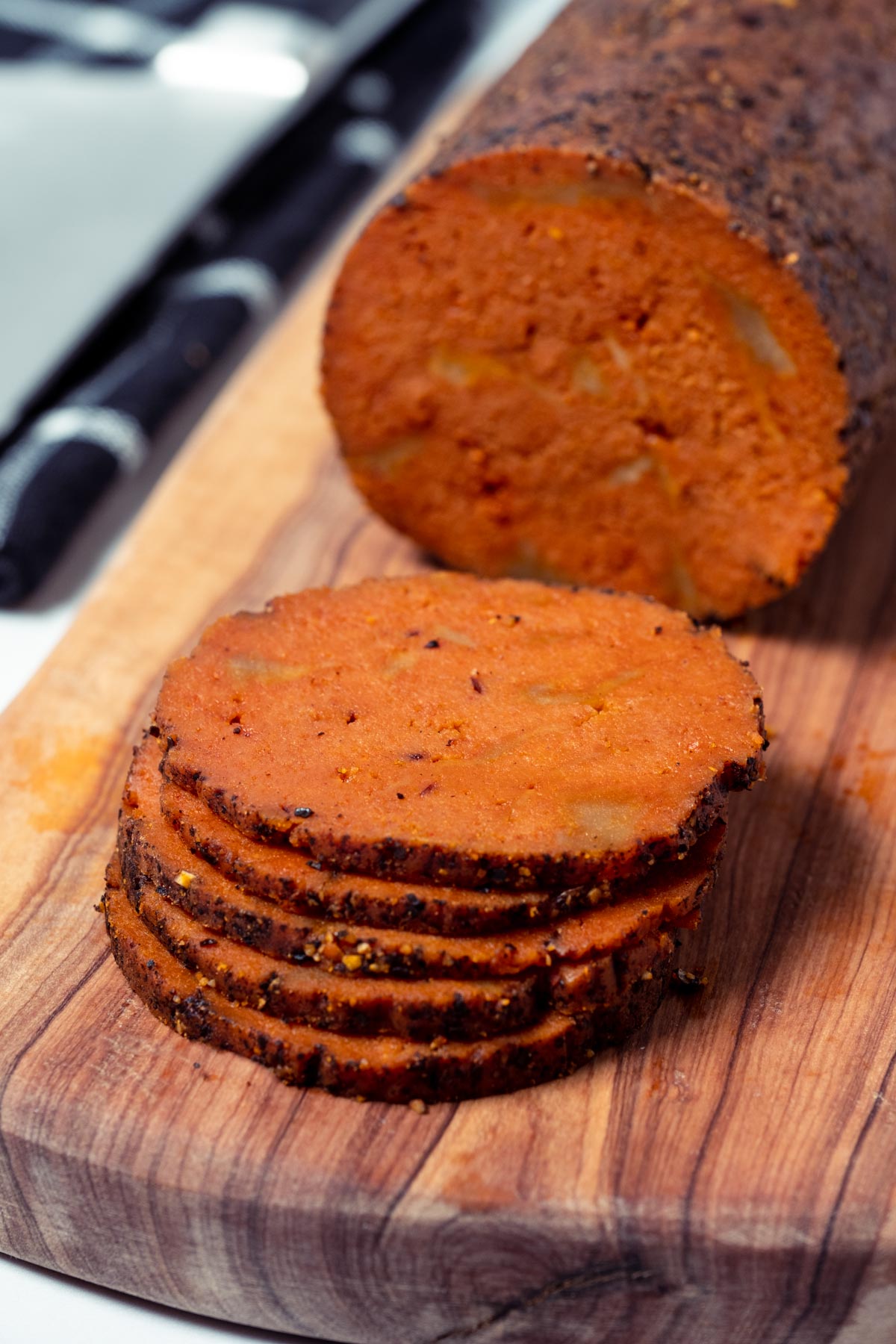
Credit: lovingitvegan.com
Frequently Asked Questions
What Ingredients Are Needed For Vegetarian Salami?
Vegetarian salami requires vital wheat gluten, spices, soy sauce, tomato paste, and smoked paprika. These ingredients create a meaty texture and rich flavor without meat.
How Long Does Vegetarian Salami Take To Prepare?
Preparation takes about 20 minutes, plus 1 hour for steaming. Total time depends on shaping and marinating, enhancing taste and texture.
Can Vegetarian Salami Be Stored In The Fridge?
Yes, store vegetarian salami in an airtight container. It stays fresh for up to one week in the refrigerator.
Is Vegetarian Salami Suitable For Vegans?
Vegetarian salami can be vegan if it excludes dairy and eggs. Use plant-based ingredients and check labels for vegan compliance.
Conclusion
This vegetarian salami recipe offers a tasty, healthy alternative. It uses simple ingredients easy to find and prepare. You can enjoy it in sandwiches, salads, or snacks. Making your own salami saves money and controls what you eat. Try this recipe to add variety to your meals.
It’s perfect for those avoiding meat but wanting rich flavors. Give it a shot and enjoy a fresh, homemade treat. Simple, delicious, and good for you.
