


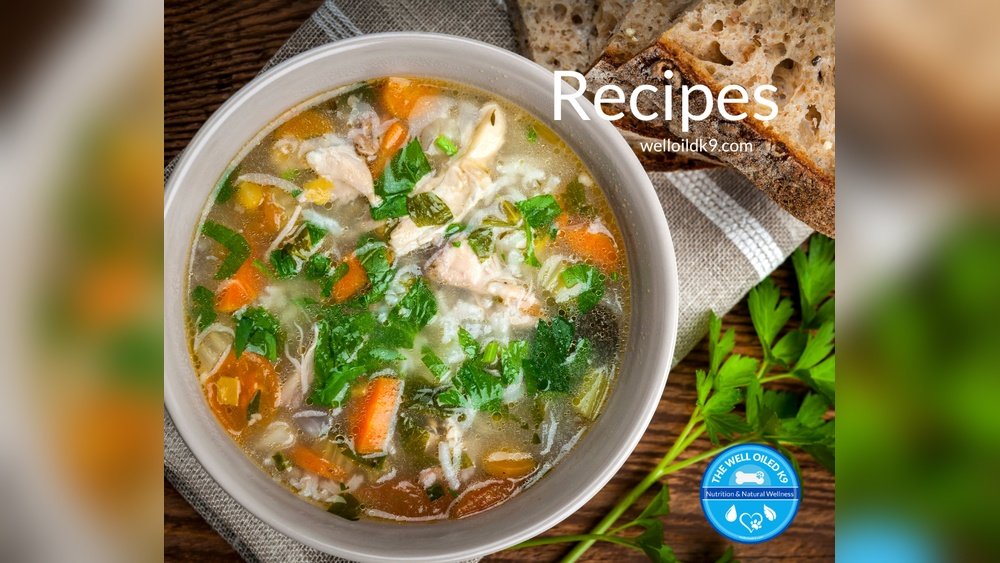
If you want to give your dog a healthy boost, making vegetable broth at home is a simple and tasty way to do it. You might be surprised how easy it is to prepare a broth that adds flavor and nutrients to your dog’s meals.
This recipe uses fresh, natural ingredients that support your furry friend’s well-being without any harmful additives. Keep reading to discover how you can create this nourishing treat for your dog, step by step. Your dog will thank you!
Benefits Of Vegetable Broth For Dogs
Vegetable broth offers many health benefits for dogs. It is a natural way to boost their diet. This broth supports overall wellness without extra calories or fillers.
Many dog owners use vegetable broth to improve their pet’s health. It provides essential nutrients and helps maintain hydration. Dogs often enjoy the flavor, making mealtime more exciting.
Nutritional Value
Vegetable broth contains vitamins like A, C, and K. It also has minerals such as potassium and magnesium. These nutrients support strong bones and a healthy immune system. The broth is low in fat and calories, making it safe for most dogs.
Hydration Support
Broth helps dogs drink more fluids. This is especially important during hot days or illness. The tasty liquid encourages water intake. Proper hydration keeps kidneys working well and prevents dehydration.
Digestive Aid
Vegetable broth soothes the digestive tract. It can ease upset stomachs and reduce nausea. The broth contains fiber and gentle nutrients that support gut health. Feeding broth can also help dogs recover after illness.
Ingredients To Use
Choosing the right ingredients is key to making healthy vegetable broth for dogs. The broth should be tasty and safe. Using fresh, dog-friendly vegetables creates a nourishing base. Avoiding harmful additives keeps it healthy. Adding mild herbs can improve flavor without risks.
Dog-safe Vegetables
Carrots, green beans, and sweet potatoes are great choices. These vegetables are rich in vitamins and gentle on the stomach. Pumpkin and zucchini also work well. Avoid onions, garlic, and leeks as they are toxic to dogs. Stick to plain, fresh vegetables without seasoning.
Avoiding Harmful Additives
Do not add salt, pepper, or spices. These can upset your dog’s digestion. Avoid oils and butter that add fat. Stay away from store-bought broths with preservatives. Use only water and vegetables for a clean broth. This keeps the broth safe and healthy.
Optional Herbs For Flavor
Parsley and basil add a mild, fresh taste. These herbs can help with digestion and freshen breath. Use them sparingly to avoid strong flavors. Avoid herbs like chives or oregano, which may irritate dogs. Fresh herbs work best over dried ones.
Step-by-step Broth Preparation
Making vegetable broth for dogs is simple and rewarding. This broth adds flavor and nutrients to your dog’s meals. Follow these easy steps to prepare a healthy and tasty broth at home.
Preparing Vegetables
Start by choosing fresh vegetables safe for dogs. Good options include carrots, celery, and green beans. Wash all vegetables thoroughly to remove dirt. Cut them into small pieces for even cooking. Avoid onions, garlic, and other harmful veggies.
Cooking Process
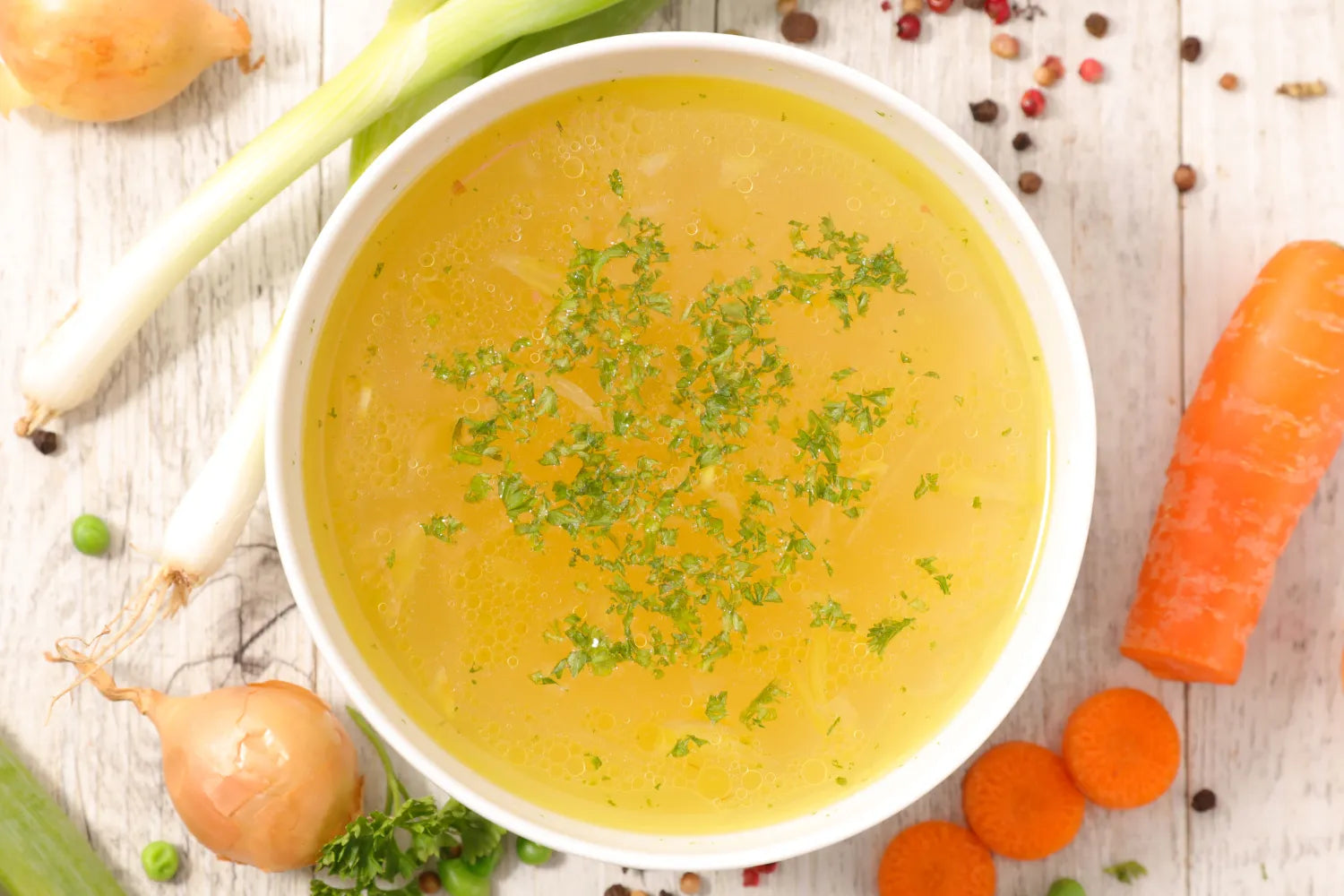
Place the chopped vegetables in a large pot. Add enough water to cover the vegetables completely. Bring the water to a boil on medium heat. Lower the heat and let it simmer for 45 minutes. This releases flavors and nutrients into the broth.
Straining And Storage
After simmering, turn off the heat. Use a fine mesh strainer to remove all vegetable pieces. Let the broth cool to room temperature. Pour the broth into clean containers for storage. Refrigerate for up to 3 days or freeze for longer use.
Credit: drruthroberts.com
Serving Suggestions
Serving vegetable broth to your dog can boost their meals and hydration. It adds flavor and nutrients without extra calories. Knowing how to serve it right ensures your dog enjoys the broth safely and healthily.
Incorporating Into Meals
Pour a small amount of vegetable broth over your dog’s dry or wet food. It softens the kibble, making it easier to chew. This method also makes meals more tempting for picky eaters. Stir gently to mix the broth evenly.
Hydration Tips
Offer broth as a tasty drink to increase your dog’s water intake. Serve it at room temperature to avoid discomfort. Use a clean bowl and refresh the broth daily. This encourages your dog to drink more fluids.
Portion Sizes
Start with a few tablespoons of broth per serving. Adjust the amount based on your dog’s size and appetite. Too much broth might cause an upset stomach. Consult your vet for the best portion for your dog.
Safety Tips And Precautions
Making vegetable broth for dogs can be healthy and tasty. Safety is very important. Some vegetables or spices may not suit every dog. Careful preparation helps avoid problems and keeps your dog safe.
Allergy Awareness
Some dogs have allergies to certain vegetables. Watch for itching, swelling, or vomiting. Start with small amounts. Observe your dog for any reaction. Stop feeding if you see any signs of allergy.
Avoiding Toxic Ingredients
Some vegetables are harmful to dogs. Onions, garlic, leeks, and chives should never be used. Also avoid mushrooms and raw potatoes. Check all ingredients before cooking. Only use safe vegetables like carrots, celery, and pumpkin.
Consulting Your Vet
Talk to your vet before trying new foods. Your vet knows your dog’s health needs best. Ask about any special diet or allergies. Follow their advice to keep your dog healthy. This step helps prevent any health risks.
Credit: apupabove.com
Troubleshooting Common Issues
Making vegetable broth for dogs is simple, but some problems can happen. These problems can affect how safe and tasty the broth is for your dog. Knowing how to fix these issues helps you give your pet the best broth possible. This section explains common problems and easy solutions.
Broth Spoilage
Broth can spoil quickly if not stored right. Always cool the broth before putting it in the fridge. Use an airtight container to keep air out. Store broth in the fridge for no more than three days. For longer storage, freeze the broth in small portions. Check for bad smells or mold before giving broth to your dog.
Refining Taste Preferences
Dogs may not like every vegetable flavor at first. Start with mild vegetables like carrots and sweet potatoes. Avoid strong flavors like onions or garlic. Change vegetables slowly to find your dog’s favorite taste. Adding a little water can make the broth less strong. Watch your dog’s reaction and adjust ingredients as needed.
Adjusting For Special Diets
Some dogs need special diets due to allergies or health problems. Use only safe vegetables that your vet approves. Avoid salt, spices, and onions in the broth. Consult your vet before adding new ingredients. Use broth as a treat or meal topper, not a full meal. Keep track of how your dog reacts to the broth.

Credit: www.charlottefashionplate.com
Frequently Asked Questions
What Ingredients Are Safe For Dogs In Vegetable Broth?
Safe ingredients include carrots, celery, green beans, and pumpkin. Avoid onions, garlic, and salt, as they harm dogs. Use fresh, organic vegetables to ensure quality broth. Always check with your vet before introducing new foods.
How Do I Prepare Vegetable Broth For My Dog?
Chop dog-safe vegetables and simmer in water for 30-45 minutes. Strain the broth and let it cool before serving. Avoid adding seasoning or salt to keep it healthy. Store leftovers in the fridge for up to three days.
Can Vegetable Broth Improve My Dog’s Hydration?
Yes, vegetable broth encourages dogs to drink more fluids. It’s especially useful for picky drinkers or during illness. The flavor entices them to stay hydrated naturally. Always offer fresh water alongside the broth.
Is Vegetable Broth Good For Dogs With Sensitive Stomachs?
Vegetable broth is gentle and easy to digest. It can soothe upset stomachs and provide hydration. Avoid any vegetables that may cause allergies or sensitivities. Consult your vet if your dog has ongoing digestive issues.
Conclusion
Vegetable broth for dogs is simple and healthy. It adds flavor and nutrients to their meals. You can make it with common vegetables and water. Avoid using onions or garlic, as they can harm dogs. Homemade broth helps keep your dog hydrated and happy.
Try this recipe to give your pet a tasty treat. Making broth at home saves money and controls ingredients. Your dog will enjoy a fresh, natural boost every day. Easy to prepare and good for health—why not start today?
