


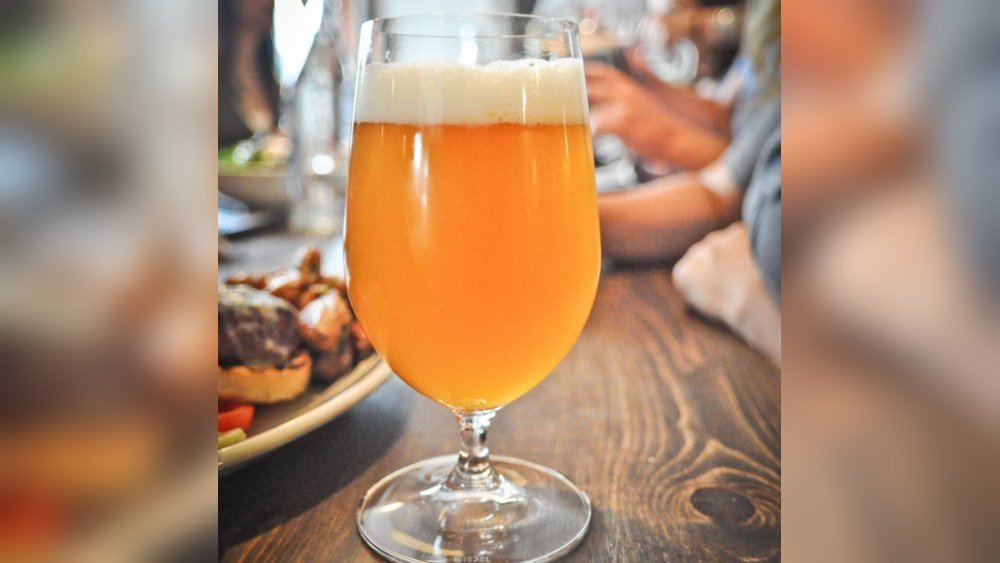
If you’ve ever wanted to craft your own refreshing beer at home, a Wheat Ale is a perfect place to start. This style is light, flavorful, and surprisingly easy to make.
Imagine pouring a glass of your very own brew—crisp, smooth, and just the right amount of fruity. You’ll discover a simple Wheat Ale recipe that anyone can follow. Whether you’re new to brewing or looking to try something different, this guide will give you the confidence to create a beer that friends and family will love.
Ready to turn your kitchen into a mini brewery? Let’s dive in.
Choosing Wheat Varieties
Choosing the right wheat variety is key for making a good wheat ale. Wheat affects the beer’s taste, look, and feel. Different types of wheat bring unique qualities to the brew. Understanding these can help you make better brewing choices.
Types Of Wheat For Brewing
Two main types of wheat are common in brewing: malted wheat and unmalted wheat. Malted wheat is soaked and sprouted, then dried. It adds sweetness and body to the beer. Unmalted wheat is raw and adds a sharp, grainy flavor. Some brewers mix both types to balance flavors.
Hard wheat has more protein and gives a full, rich taste. Soft wheat has less protein and creates a lighter, smoother beer. Choosing the right wheat depends on the style of wheat ale you want.
Impact On Flavor And Texture
Wheat adds a smooth, creamy texture to ale. It also helps create a thick, lasting foam. The flavor can range from mild and sweet to slightly tangy or nutty. Unmalted wheat often adds a fresh, grainy note. Malted wheat gives a softer, bready taste.
The amount of wheat used also changes the beer’s body. More wheat means a fuller mouthfeel. Less wheat makes the beer lighter and crisper. Balance is key for a pleasant drinking experience.
:max_bytes(150000):strip_icc()/__opt__aboutcom__coeus__resources__content_migration__serious_eats__seriouseats.com__recipes__images__20110521-153016-Homebrewing-American-Wheat-bc791ac734c14d1cabc20b241459588f.jpg)
Credit: www.seriouseats.com
Selecting Malt And Adjuncts
Selecting the right malt and adjuncts is vital for a tasty wheat ale. These ingredients shape the beer’s flavor, color, and body. Choosing them carefully helps create the perfect balance and character for your brew.
Base Malts For Wheat Ale
Wheat malt is the heart of any wheat ale. It gives the beer a smooth, soft taste and a cloudy look. Pale malt often joins wheat malt to add fermentable sugars and a mild malt flavor. Using mostly wheat malt creates a light, refreshing beer with a creamy mouthfeel.
Using Specialty Malts
Specialty malts add extra flavor and color. Munich malt gives a rich, malty sweetness. Crystal malt adds caramel notes and a deeper amber color. A small amount of these malts can boost the complexity without overpowering the wheat’s natural taste. Toasted malts bring a nutty touch for more depth.
Incorporating Adjunct Grains
Adjunct grains like oats and rye add texture and flavor. Oats can make the beer smoother and silkier. Rye offers a spicy, sharp edge that contrasts well with wheat. Using adjuncts helps vary the mouthfeel and flavor, making your wheat ale unique and interesting.
Picking The Right Yeast
Picking the right yeast is key to brewing a great wheat ale. Yeast affects the taste, aroma, and texture of your beer. Choosing the proper yeast strain helps achieve the style and flavor you want. A good match brings balance and character to your brew.
Ale Yeast Strains
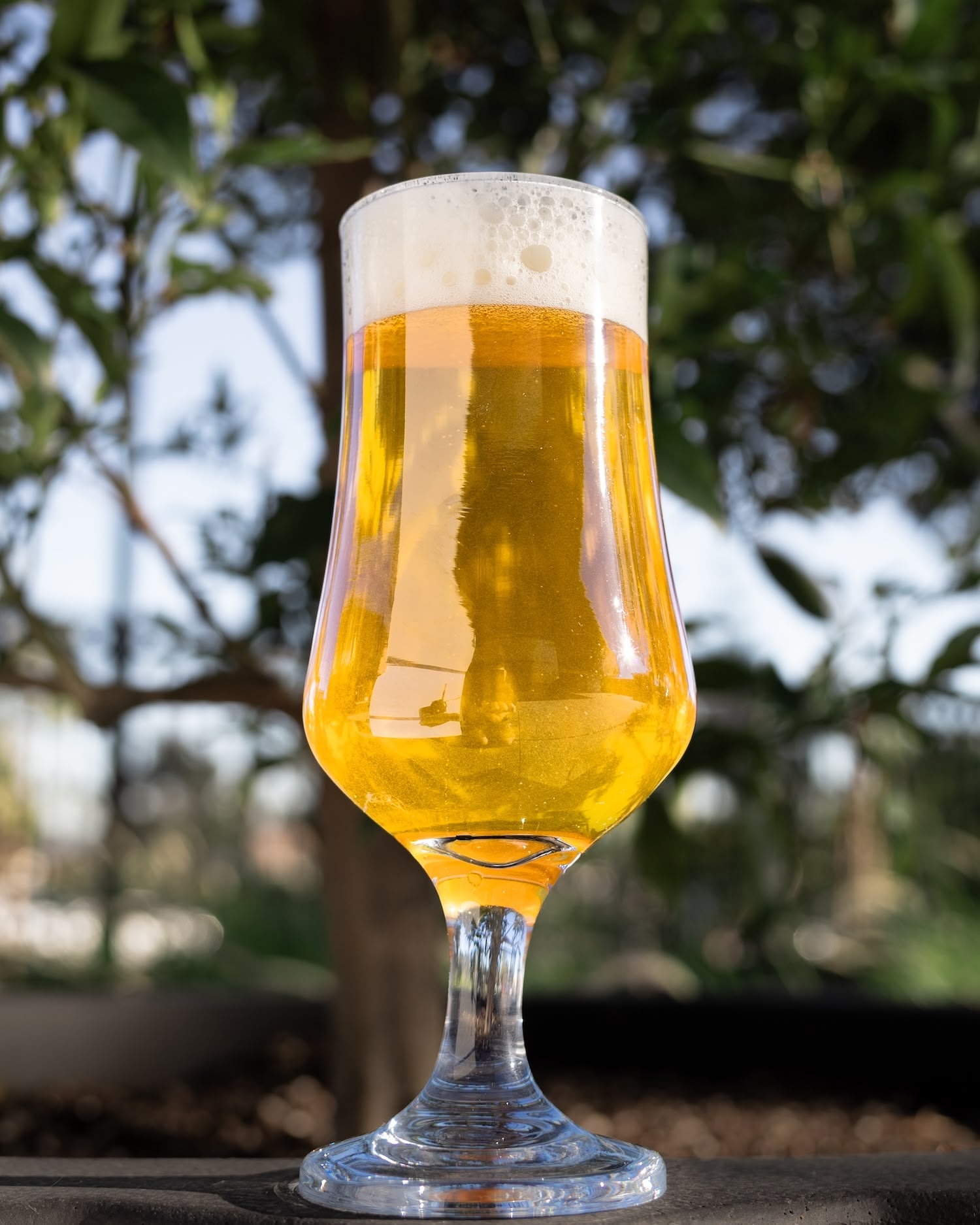
Ale yeast strains vary in flavor and fermentation speed. For wheat ales, common strains include Belgian Witbier yeast and American Wheat yeast. Belgian strains add spicy and fruity notes. American strains give a clean and mild taste. Each strain impacts the final beer differently. Select yeast that fits your flavor preference and recipe style.
Fermentation Characteristics
Yeast influences how fast and at what temperature fermentation happens. Wheat ale yeasts usually ferment best between 65°F and 72°F. Some strains produce more esters, creating fruity flavors. Others keep the beer crisp and refreshing. Pay attention to the yeast’s alcohol tolerance and flocculation rate. These traits affect clarity and mouthfeel. Proper fermentation ensures a smooth, tasty wheat ale.
Credit: berkeleyyeast.com
Hops Choices And Timing
Hops play a key role in shaping the flavor and aroma of wheat ale. Choosing the right hops and adding them at the right time creates balance. It brings out the natural character of the wheat malt and adds fresh, bright notes. Understanding hop varieties and timing helps craft a well-rounded wheat ale.
Hop Varieties For Wheat Ale
Wheat ales often use hops with mild bitterness and fruity or floral aromas. Popular choices include Saaz, Hallertau, and Tettnang. These hops add gentle spice and a fresh, herbal scent. Citra and Cascade can give citrus and tropical fruit hints. Using these hops keeps the beer light and refreshing.
Hop Addition Schedule
Adding hops at different stages changes the flavor and aroma. Early hop additions add bitterness and balance the malt sweetness. Late additions and dry hopping bring out aroma and flavor without much bitterness. For wheat ale, most hops go in late or during fermentation. This keeps the beer smooth and fragrant.
Water Profile And Treatment
Water plays a key role in brewing wheat ale. It affects the flavor, clarity, and mouthfeel of the beer. Understanding water profile and treatment helps you create a better brew.
Wheat ales need a balanced water profile. The right minerals bring out the beer’s natural sweetness and smoothness. Treating water properly avoids harsh or metallic tastes.
Ideal Water Chemistry
Soft to moderately hard water suits wheat ale best. Calcium levels should be around 50-100 ppm. Magnesium should stay low, near 10-30 ppm. Sulfates must be low to prevent dryness, about 20-50 ppm. Chlorides help enhance malt sweetness and should be higher than sulfates, around 50-100 ppm.
pH should be between 5.2 and 5.6 for good enzyme activity during mashing. A balanced sodium level under 50 ppm keeps the flavor clean. Avoid high bicarbonate levels to prevent harshness and cloudiness.
Adjusting Water For Wheat Ale
Test your brewing water first. Check mineral content with a water report or a test kit. Use brewing salts to adjust hardness and mineral balance.
Gypsum adds calcium and sulfate but use it sparingly to avoid dryness. Calcium chloride increases calcium and chloride, enhancing malt character. Baking soda and chalk raise alkalinity but use cautiously to keep pH in range.
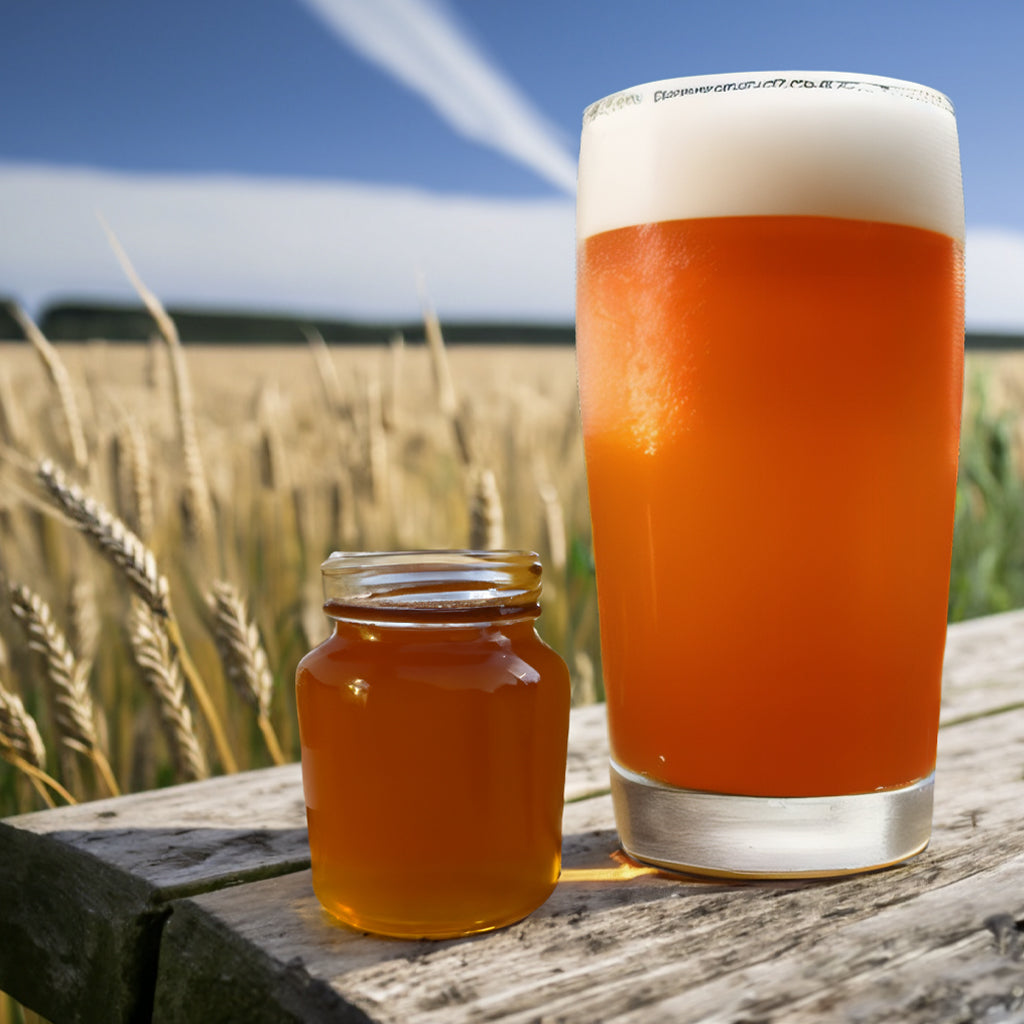
Reverse osmosis water is a good base. Add minerals slowly and taste test. Keep water adjustments simple for better control over your wheat ale’s final taste.
Credit: boomchugalug.com
Step-by-step Brewing Process
Brewing wheat ale is a rewarding process. It involves careful steps to create a smooth and tasty beer. Following each stage closely helps achieve the best flavor. The brewing process includes mashing, boiling, and fermenting. Each step adds to the character of the ale.
Mashing Techniques
Mashing turns grains into fermentable sugars. Use wheat malt and barley malt for a balanced taste. Heat water to about 150°F (65°C) and mix with the grains. Keep the temperature steady for 60 minutes. This allows enzymes to break down starches. Stir occasionally to avoid clumps. After mashing, drain the liquid called wort.
Boiling And Hop Additions
Boil the wort for 60 minutes to sterilize it. Add hops at different times during the boil. Early additions give bitterness. Later additions add aroma and flavor. For wheat ale, use mild hops to keep the taste soft. Watch the boil to prevent overflow. After boiling, cool the wort quickly.
Cooling And Pitching Yeast
Cool the wort to about 68°F (20°C) using a wort chiller. Cooling fast avoids unwanted bacteria growth. Transfer the wort to a fermenter. Add the yeast carefully, called pitching. Wheat ale yeast works best at moderate temperatures. Seal the fermenter and store it in a dark place. Let fermentation happen for about two weeks.
Fermentation And Conditioning
Fermentation and conditioning shape the flavor and body of wheat ale. This stage transforms sweet wort into beer through yeast activity. Careful control during this phase leads to a balanced and refreshing ale. Patience and proper technique ensure the best results for your wheat ale recipe.
Temperature Control
Keep fermentation temperature stable between 65-72°F (18-22°C). Yeast works best in this range for wheat ale. Too warm makes off-flavors. Too cold slows fermentation or stops it. Use a fermentation chamber or temperature controller. Check temperature daily for consistency.
Duration And Maturation
Primary fermentation usually lasts 1-2 weeks. Watch for bubbling to slow down. After fermentation, transfer beer to a secondary container. Let it mature for 1-3 weeks. Maturation smooths flavors and clears the beer. Avoid rushing this step for better taste.
Carbonation Methods
Carbonation makes wheat ale bubbly and lively. Bottle conditioning is common and simple. Add sugar before bottling for natural carbonation. Alternatively, force carbonate with a CO2 tank. Bottle conditioning takes 1-2 weeks at room temperature. Force carbonation is faster but needs special gear.
Troubleshooting Common Issues
Troubleshooting common issues in wheat ale brewing helps improve your final product. Small problems can affect taste and appearance. Fixing these issues early saves time and ingredients. Understanding common flaws leads to better brewing results.
Off-flavors And Their Causes
Off-flavors often come from fermentation mistakes. Too much heat can cause fruity or solvent-like tastes. Poor sanitation leads to sour or musty flavors. Using old or bad yeast can make the beer taste stale. Oxygen exposure after fermentation causes cardboard or paper flavors. Avoid these by controlling temperature and keeping everything clean.
Clarity And Haze Management
Wheat ales are known for their cloudy look. Some haze is normal and desired. But too much haze can look unappealing. Cold crashing helps clear the beer by dropping particles to the bottom. Using fining agents also improves clarity. Avoid shaking the beer before bottling to reduce haze. Good grain selection and proper mashing help with clarity too.
Serving And Pairing Tips
Serving Wheat Ale the right way makes the experience much better. The right glass and food can bring out the best flavors. These simple tips help you enjoy your homemade Wheat Ale fully.
Glassware Selection
Use a tall, narrow glass for Wheat Ale. A weizen glass is perfect because it holds a lot of foam. The shape helps keep the bubbles and aroma fresh. This lets you smell the fruity and spicy notes clearly. Pour slowly to keep the head thick and creamy. A clean glass also improves taste and looks better.
Food Pairings
Wheat Ale pairs well with light and fresh foods. Try it with salads, grilled chicken, or seafood. The beer’s citrus and spice flavors match well with these dishes. Soft cheeses like goat cheese also work great. For snacks, try pretzels or light crackers. These foods do not overpower the beer’s mild taste.
Frequently Asked Questions
What Ingredients Are Essential For A Wheat Ale Recipe?
A wheat ale recipe requires wheat malt, pale malt, yeast, hops, and water. These ingredients create its signature light, refreshing flavor. Additional spices like coriander or orange peel can enhance the taste.
How Long Does It Take To Brew Wheat Ale?
Brewing wheat ale typically takes 4 to 6 weeks. This includes fermentation, conditioning, and carbonation stages. Patience during this process ensures a balanced and flavorful beer.
What Yeast Strain Is Best For Wheat Ale Brewing?
Top-fermenting ale yeast like Wyeast 1010 or White Labs WLP320 is ideal. These strains produce fruity, spicy notes perfect for wheat ales. Proper yeast choice impacts the beer’s aroma and flavor.
Can I Add Spices To My Wheat Ale Recipe?
Yes, adding spices such as coriander, orange peel, or grains of paradise is common. They complement the wheat’s natural flavors and add complexity. Use spices sparingly to avoid overpowering the beer.
Conclusion
Brewing wheat ale can be simple and fun. Use fresh ingredients for the best taste. Follow the steps carefully and enjoy the process. Your homemade wheat ale will have a smooth, refreshing flavor. Share your brew with friends and family.
Keep practicing to improve your skills. This recipe opens a great way to enjoy craft beer at home. Try it today and see how rewarding brewing can be.
