


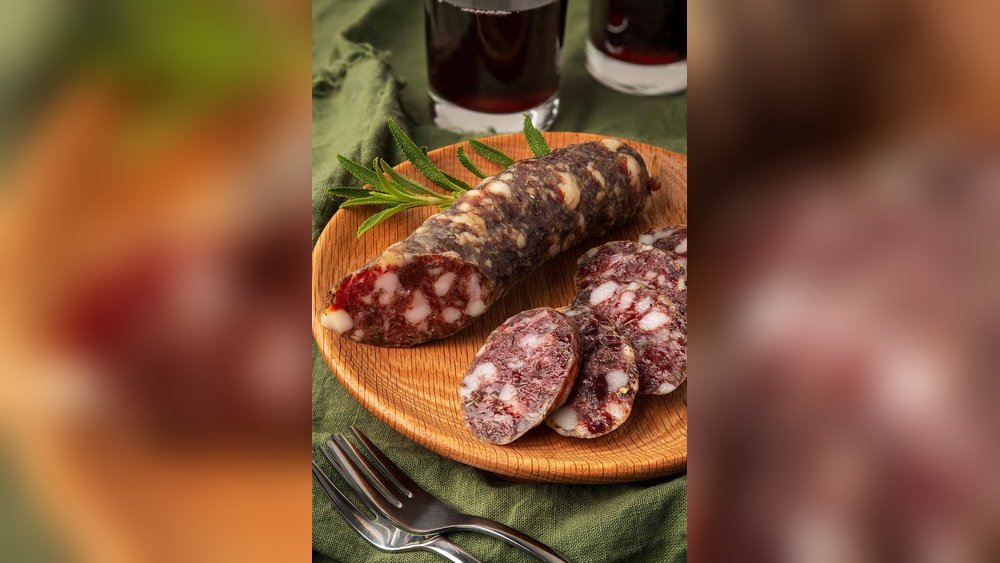
Are you ready to create a delicious snack that’s packed with flavor and perfect for any adventure? This venison dried sausage recipe is just what you need.
It’s simple, tasty, and lets you enjoy the rich, gamey taste of venison in a convenient, long-lasting form. Whether you’re a hunting enthusiast, a foodie, or just looking for a unique treat, this recipe will guide you step-by-step to make your own savory dried sausage at home.
Keep reading—you won’t want to miss the secrets to perfect texture and bold flavor that will keep you coming back for more.
Choosing Venison For Sausage
Choosing the right venison is the first step for tasty dried sausage. The quality of meat affects flavor and texture. Good venison makes your sausage rich and tender. Fresh, lean meat without strong game taste works best. Learning how to pick and prepare venison helps create a great sausage.
Selecting Quality Cuts
Choose cuts from the loin, leg, or shoulder. These parts have the best balance of meat and fat. Avoid cuts with too much fat or sinew. Look for meat that is deep red and firm. Fresh meat should not have a bad smell. Trim away silver skin and excess fat carefully.
Preparing The Meat
Cut the venison into small pieces for easy grinding. Keep the meat cold to prevent spoiling and maintain texture. Remove all bones and tough bits. Grind the meat twice for a smooth, even mix. Mix venison with pork fat for juiciness and flavor. Proper preparation helps the sausage hold together well.
Credit: www.reddit.com
Essential Ingredients
Making venison dried sausage requires a few key ingredients. These ingredients bring out rich flavors and help preserve the meat. Each component plays a role in taste, texture, and safety. Understanding these essentials helps create a delicious sausage every time.
Spices And Herbs
Spices and herbs add aroma and depth. Black pepper gives a mild heat. Garlic powder offers a savory note. Paprika adds a smoky flavor and color. Dried oregano or thyme bring herbal freshness. Use these in balance for a tasty blend.
Curing Agents
Curing agents keep the sausage safe to eat. Salt is the primary curing ingredient. It draws out moisture and stops bacteria. Prague powder or pink curing salt preserves color and prevents spoilage. Use curing agents carefully for safe drying.
Additional Flavorings
Extra ingredients enhance the sausage’s character. A splash of red wine adds richness. Sugar balances the saltiness and aids fermentation. Some recipes use crushed red pepper for spice. Small amounts of vinegar can brighten the flavor. These extras give the sausage a unique twist.
Grinding And Mixing
Grinding and mixing venison for dried sausage sets the base for flavor and texture. This step is important to make sure the sausage binds well and tastes great. Proper grinding controls the sausage’s texture. Mixing blends meat, fat, and spices evenly. Careful attention here leads to a perfect dried sausage.
Grinding Techniques
Choose a grinder with sharp blades. Use a medium or coarse grind for venison. Too fine makes the sausage dry and crumbly. Too coarse makes it hard to bind. Chill the meat before grinding. Cold meat grinds easier and stays fresh. Pass the meat through the grinder twice. This helps create an even texture.
Balancing Meat And Fat
Venison is lean. Fat helps keep the sausage moist and tender. Aim for 20-30% fat in the mix. Pork fat or beef fat work well. Cut fat into small pieces before mixing. Even fat distribution prevents dry spots. Good balance improves flavor and texture. Without enough fat, sausage will be tough.
Incorporating Spices
Spices add flavor and preserve the sausage. Use salt first to help bind the meat. Add pepper, garlic, and paprika for depth. Mix spices evenly into the meat and fat. Avoid clumps of spices. Use your hands or a mixer to combine. Proper spice mixing enhances taste and safety.
Credit: honest-food.net
Stuffing The Sausage
Stuffing the sausage is a key step in making venison dried sausage. It shapes the sausage and affects its texture. Careful stuffing keeps the meat firm and helps the drying process. The right casing and method make a big difference.
Choosing Casings
Casings hold the meat together and give sausage its shape. Natural casings, like hog or sheep intestines, are popular. They allow air to pass during drying. Synthetic casings can be harder and less breathable. Choose thin casings for dried sausage. They dry faster and taste better.
Proper Stuffing Methods
Use a sausage stuffer or a piping bag for even filling. Fill casings gently without air pockets. Air pockets cause spoilage and uneven drying. Twist sausages into links or leave long. Keep pressure steady to avoid bursting. Tie ends securely to keep meat inside. Proper stuffing creates a smooth, firm sausage ready for drying.
Drying Process
The drying process is the heart of making venison dried sausage. It changes fresh meat into a tasty, chewy snack. This step removes moisture, which helps keep the sausage safe and flavorful. Careful drying shapes the texture and taste of your sausage.
Proper drying needs steady control of temperature and humidity. Too much heat or moisture can spoil the sausage. Too little can make it dry out too fast. The right balance keeps the sausage safe and delicious.
Ideal Temperature And Humidity
Keep the drying room between 50°F and 60°F (10°C to 15°C). This range slows bacteria growth while drying meat evenly. Maintain humidity around 70% to 80%. This level stops the sausage from drying too fast on the outside. It also keeps the inside from staying wet.
Timing And Monitoring
Drying time varies but usually takes 3 to 6 weeks. Check the sausage every few days. Look for signs of mold or uneven drying. Turn the sausages gently to help air flow. Use a hygrometer and thermometer to track conditions. Adjust the environment if needed.
Preventing Spoilage
Clean the drying area well before use. Good air circulation prevents bad bacteria growth. Avoid drying in direct sunlight or warm rooms. Keep the sausages away from insects and pets. If you spot black or green mold, wipe it off with vinegar. White mold is normal and safe.
Storage And Serving Tips
Proper storage and serving of venison dried sausage keep its flavor and texture fresh. It helps avoid spoilage and waste. Simple steps make a big difference in enjoying this tasty treat.
Storing Dried Sausage
Wrap the sausage tightly in wax paper or plastic wrap. Place it in an airtight container or ziplock bag. Store it in a cool, dry place away from sunlight. The fridge is best for longer storage, up to a month. For even longer storage, freeze the sausage. Slice before freezing for easy use later. Always check for any signs of mold or bad smell before eating.
Serving Suggestions
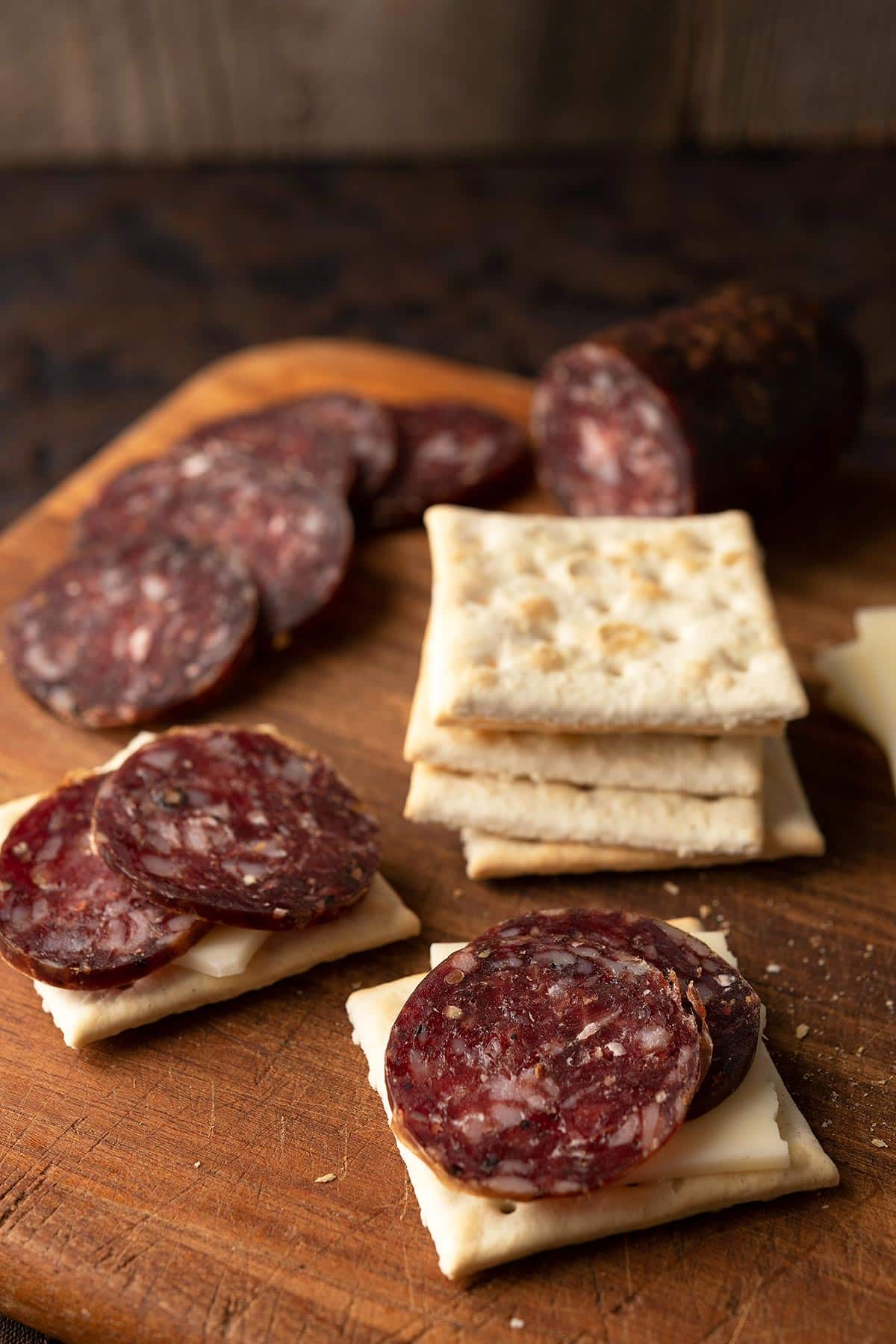
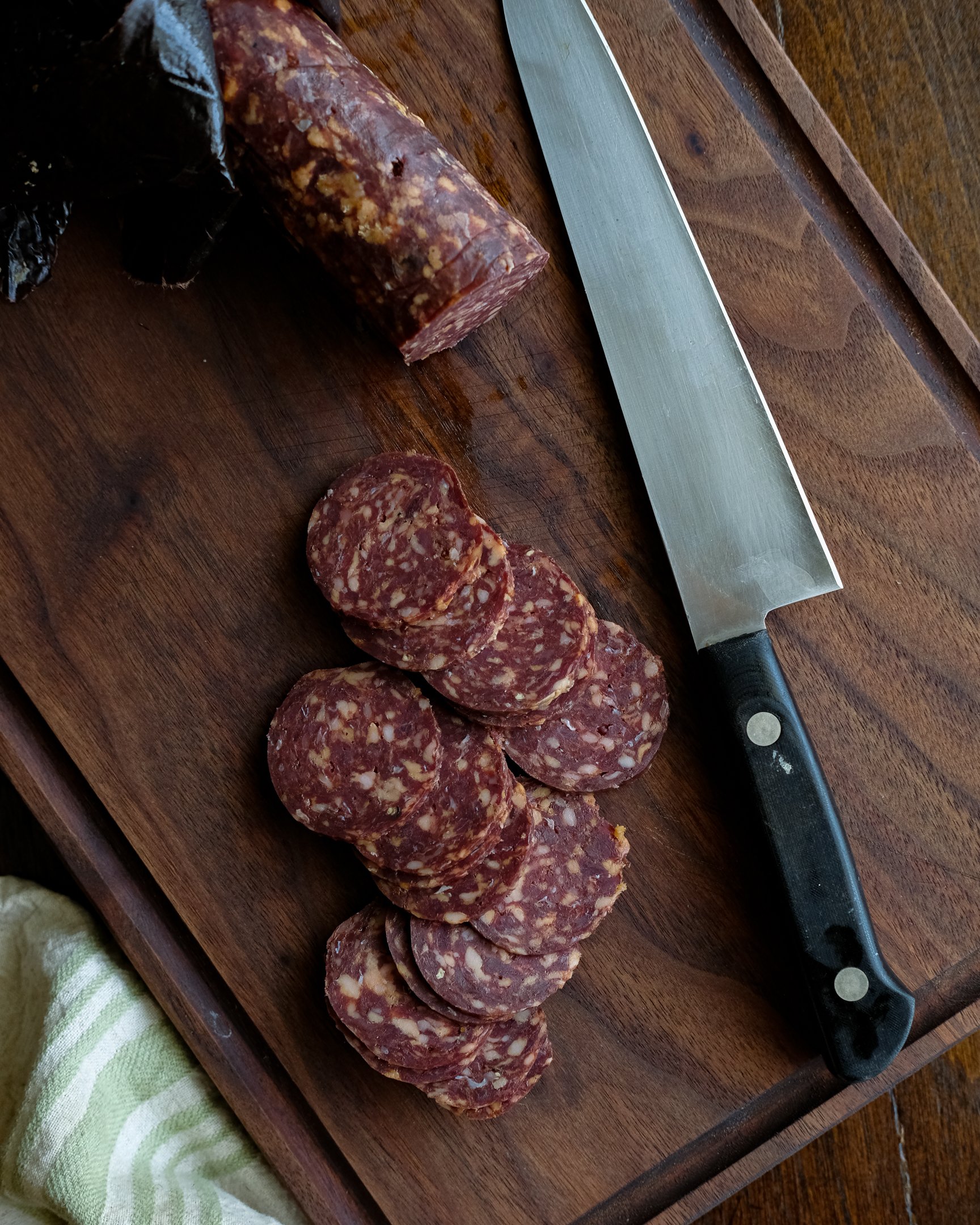
Serve venison dried sausage sliced thin. It pairs well with cheese and crackers. Add it to sandwiches for a smoky, rich flavor. Use it as a topping for salads or pizzas. Great for hiking snacks or quick protein bites. Warm it slightly to enhance aroma and taste. Simple, tasty ways to enjoy this savory snack.
Troubleshooting Common Issues
Troubleshooting common issues in making venison dried sausage helps improve your results. Small mistakes can affect taste, texture, and safety. Understanding these problems saves time and ingredients.
Avoiding Overdrying
Overdrying makes sausage too hard and tough. Check dryness regularly by pressing the sausage. It should feel firm but not brittle. Keep humidity around 70% during drying. Use a controlled environment to avoid rapid moisture loss. Remove sausages once they lose 30% of their weight.
Fixing Texture Problems
Texture can become grainy or crumbly. This happens if meat is ground too coarsely. Use a fine grind for smooth texture. Mix fat evenly to avoid dryness. Do not overmix or the sausage becomes sticky. Chill the meat before grinding to keep fat firm.
Handling Off-flavors
Off-flavors spoil the taste of venison sausage. Old or poor-quality meat causes bad smells. Use fresh, cold meat for best flavor. Keep all tools clean to prevent contamination. Add spices like garlic and pepper to mask mild gamey taste. Cure the sausage properly to stop sourness.
Credit: elevatedwild.com
Frequently Asked Questions
What Ingredients Are Needed For Venison Dried Sausage?
Venison, pork fat, salt, curing salt, garlic, black pepper, and spices are essential. Use quality ingredients for the best flavor and texture. Proper seasoning balances venison’s lean meat with fat and spices for a savory dried sausage.
How Long Does Venison Dried Sausage Cure?
Typically, venison dried sausage cures for 3 to 6 weeks. The curing time depends on humidity and temperature. Proper curing ensures safety, flavor development, and the right texture for dried sausages.
Can I Make Venison Sausage Without Curing Salt?
Curing salt is important to prevent harmful bacteria and preserve color. Without it, the sausage risks spoilage and unsafe bacteria growth. Use curing salt for safety and best results in venison dried sausage.
How Do I Store Venison Dried Sausage?
Store in a cool, dry place or refrigerator. Wrap it in parchment or breathable cloth to maintain texture. Proper storage extends shelf life and keeps the sausage flavorful and safe to eat.
Conclusion
Making venison dried sausage is simple and rewarding. This recipe uses easy steps anyone can follow. The flavors develop well with time, giving a tasty snack. Store the sausages in a cool, dry place to keep freshness. Enjoy this homemade treat on hikes, trips, or at home.
Try it once, and you might make it often. Cooking with venison brings a unique taste to your meals. Give this recipe a shot for a healthy, flavorful snack.
