

Have you ever followed a recipe only to wonder, “How much will this actually make?” Knowing the yield of a recipe is key to planning your meals, avoiding waste, and making sure you have enough for everyone. You’ll discover exactly what recipe yield means, why it matters to you, and how to use this information to cook smarter and save time.
Ready to take control of your kitchen and get the results you want every time? Keep reading—you’ll be surprised how simple it can be.
Yield Basics
Understanding the yield of a recipe is key for successful cooking and baking. Yield tells you how much food the recipe will make. It helps you plan meals and avoid waste.
Knowing yield basics makes cooking easier. It guides portion sizes and ingredient amounts. This section explains the core ideas about recipe yield.
Definition Of Recipe Yield
Recipe yield is the total amount of food made from a recipe. It can be measured in servings, pieces, or weight. For example, a cake recipe might yield 12 slices. Yield tells you what to expect from the recipe.
Yields may also include volume, like cups or liters. This helps with liquid recipes like soups. Always check the yield before cooking to match your needs.
Why Yield Matters
Yield matters because it helps with meal planning. You cook the right amount and avoid leftovers. It saves money and reduces food waste.
Knowing the yield helps adjust recipes. You can double or halve a recipe to fit your group size. This keeps portions even and consistent.
Yield also affects nutrition. It shows how many servings a recipe provides. This helps track calories and dietary needs.

Credit: www.theculinarypro.com
Measuring Yield
Measuring the yield of a recipe helps you understand how much food it makes. This is important for planning meals and sharing with others. Yield tells you the total amount of finished dish. It can be shown in portions or by weight. Knowing the yield avoids food waste and saves money.
Portion Sizes And Serving Counts
Portion size means how much food one person gets. Recipes often list yield by servings. For example, a recipe might make 4 servings. Each serving can be a cup, a slice, or a piece. Serving counts help you plan for guests or family. Always check the size of each portion. It can differ between recipes and dishes.
Using Weight Vs Volume
Weight measures food in grams or ounces. Volume measures food in cups or liters. Weight is more accurate for solid ingredients. Volume works well for liquids and chopped items. Some recipes show yield by weight to avoid confusion. Using a kitchen scale gives better results. Measuring by volume can vary depending on packing. Choose the method that matches your recipe.
Factors Affecting Yield
The yield of a recipe shows how much food you get after cooking. Several factors change this amount. These can make the final dish smaller or larger than expected. Knowing these helps plan meals and avoid waste.
Ingredient Variability
Ingredients differ in size and moisture. Fresh vegetables may weigh more than dried ones. Meat cuts vary in fat and water content. This changes the final cooked weight. Even the brand or type of ingredient affects yield.
Cooking Methods
Different cooking styles change food weight. Boiling can add water, making food heavier. Grilling or roasting removes moisture, shrinking the food. The cooking time and temperature also impact the final size.
Loss During Preparation
Peeling, trimming, and cutting cause loss. Removing bones or seeds reduces weight. Some parts are not eaten and thrown away. These steps lower the final amount you serve.

Credit: www.youtube.com
Calculating Yield
Calculating the yield of a recipe is important for anyone who cooks. It tells you how many servings or portions the recipe will make. Knowing the yield helps plan meals and avoid food waste. It also makes it easier to adjust recipes based on how many people will eat.
Step-by-step Yield Calculation
First, check the recipe for the total amount of food it produces. This might be in cups, grams, or number of items. Next, find out the size of one serving. This can be in pieces, weight, or volume. Divide the total amount by the serving size. The result shows how many servings the recipe makes. For example, 1000 grams of soup divided by 250 grams per serving equals four servings.
Adjusting Recipes For Desired Portions
To change the number of servings, multiply the original ingredients by a factor. This factor is the new number of servings divided by the original yield. For example, double the ingredients to serve twice as many people. Cut the ingredients in half to serve fewer people. Always measure carefully to keep the taste and texture right.
Tools For Accuracy
Accurate tools make a big difference in cooking and baking. They help you measure ingredients right. This leads to better recipe results. Using the correct tools gives consistent yields every time. It also saves money by reducing waste. Let’s explore key tools that improve accuracy in the kitchen.
Kitchen Scales And Measuring Cups
Kitchen scales provide precise weight measurements. This is important for dry and liquid ingredients. Scales help avoid guessing and uneven portions. Measuring cups work well for liquids and some dry items. They come in clear sizes for easy reading. Using both tools ensures your recipe yield matches expectations.
Yield Charts And Software
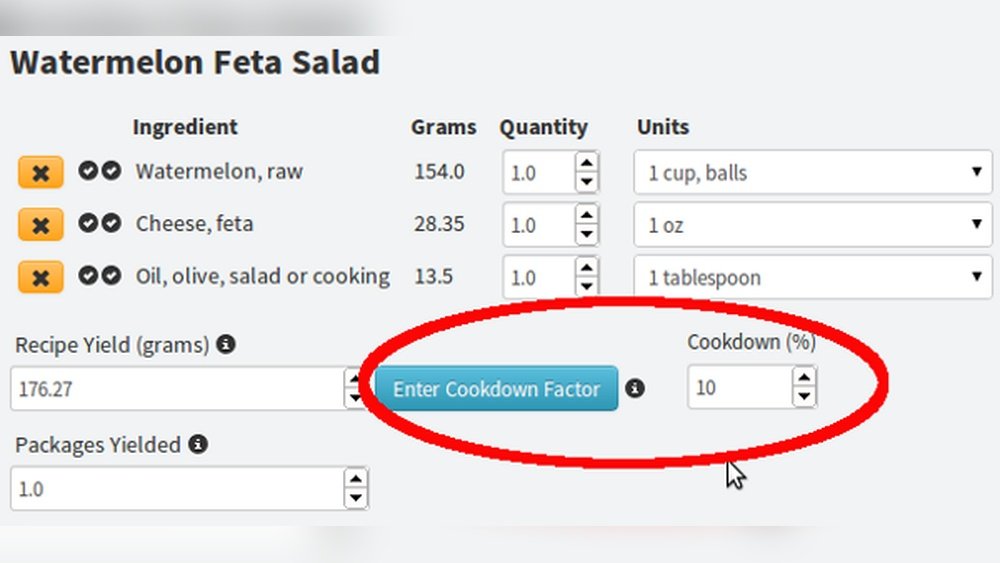
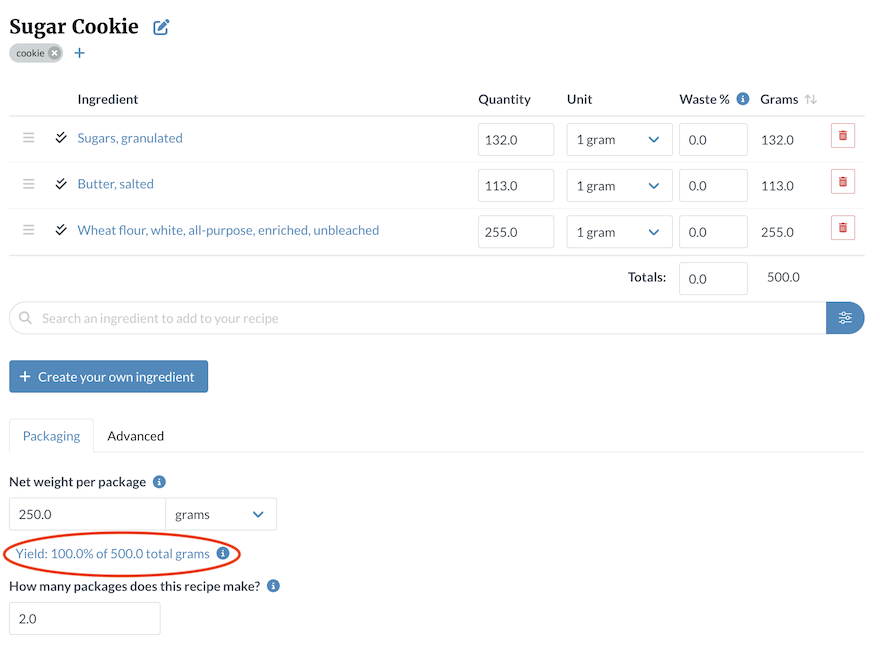
Yield charts show how much usable product comes from raw ingredients. They help adjust recipes based on ingredient loss. Software tools automate this process for faster calculations. They provide detailed reports and save recipe data. These tools help maintain consistency and control over recipe yield. They are useful for both home cooks and professionals.
Common Yield Challenges
Yield is the amount of food a recipe makes. Getting the right yield can be tricky. Many cooks face common problems that change the final amount. Understanding these challenges helps to plan better and avoid waste.
Inconsistent Ingredients
Ingredients can vary in size, weight, and moisture. This affects the recipe’s yield a lot. For example, large eggs give different results than small ones. Fresh vegetables might have more water than canned ones. These differences change the final amount of food. Measuring ingredients by weight can improve consistency. Using the same brand also helps keep results steady.
Scaling Recipes Up Or Down
Changing recipe size is not as simple as multiplying or dividing. Some ingredients do not scale well. Spices and seasonings can become too strong or weak. Cooking times may change too. Larger batches might take longer to cook through. Smaller batches can burn quickly. Testing the recipe after scaling is important. Adjustments ensure the taste and yield stay right.
Tips For Perfect Portions
Getting the right portion size is key to enjoying any recipe. Perfect portions help control calories and reduce food waste. They also keep your meal balanced and satisfying. Here are some simple tips to help you serve the right amount every time.
Standardizing Ingredients
Use the same brand and type of ingredients each time. Different ingredients can change the recipe’s size and texture. Measure ingredients with cups or a kitchen scale. This keeps the yield consistent and predictable.
Monitoring Cooking Times
Cook food for the exact time stated in the recipe. Overcooking or undercooking can change the volume and weight. Set a timer to avoid guesswork. This helps keep portions uniform across servings.
Consistent Serving Techniques
Use the same tools for serving, like scoops or ladles. This controls how much food goes on each plate. Portion plates at the same angle and position. It makes the meal look neat and equal for everyone.
Credit: www.recipal.com
Frequently Asked Questions
What Does Recipe Yield Mean?
Recipe yield refers to the total quantity or number of servings a recipe produces. It helps you plan portions and ingredients accordingly. Knowing the yield ensures you can serve the right amount and avoid waste.
How To Calculate Recipe Yield Accurately?
To calculate recipe yield, measure the final output in servings, weight, or volume after cooking. Compare it with the intended portion size. This ensures consistent results and proper ingredient use.
Why Is Recipe Yield Important In Cooking?
Recipe yield is crucial for meal planning, budgeting, and serving size consistency. It helps avoid leftovers or shortages and ensures balanced ingredient use for optimal taste and nutrition.
Can Recipe Yield Vary By Ingredient Type?
Yes, recipe yield can change depending on ingredient moisture content, cooking method, and ingredient quality. Some ingredients shrink or expand during cooking, affecting the final yield.
Conclusion
Understanding the yield of a recipe helps plan meals better. It tells how many servings the dish makes. This saves time and avoids food waste. You can adjust ingredients based on the yield. Knowing yield also helps when cooking for guests.
Always check the recipe’s yield before starting. It makes cooking easier and more fun. Keep this tip in mind for your next meal. Simple steps lead to better cooking results.
